
10 diy garden projects you need for beauty and function
Introduction
You can transform your outdoor space into a personalized sanctuary by tackling creative diy garden projects that balance visual appeal with everyday utility. These diy garden projects offer practical solutions for organizing your landscape while adding a distinct, handcrafted touch to your backyard environment.
This guide explores ten functional and decorative builds designed to elevate your gardening experience. You will discover how to construct durable raised garden beds using cedar planks and create lightweight planters with hypertufa for a professional stone aesthetic. We also cover clever ways to maximize growing space, such as adding window box planters to garden sheds, and provide tips for completing these builds efficiently. Whether you are looking for diy garden ideas for small spaces or cost-effective ways to enhance your curb appeal, these projects provide the instructions you need to get started on your next outdoor improvement.
Transforming Your Outdoor Space
Creating a backyard that balances beauty with everyday utility is entirely achievable through handmade improvements. By taking a hands-on approach to your landscape, you tailor every corner of your property to reflect your personal style while solving specific spatial needs. These improvements turn a standard lawn into a curated retreat that feels uniquely yours.
Infusing personal touches into your exterior environment allows you to maximize limited areas or define zones for relaxing and growing. When you build features yourself, you gain full control over the aesthetic and the materials, ensuring the results fit perfectly with your home’s character. This process often proves more rewarding than purchasing mass-produced decor, as each piece carries the story of your own effort and design vision.
True creativity flourishes when you combine decorative elements with practical solutions, and you do not need a massive budget to achieve professional-looking results. Many projects rely on clever design and simple supplies to provide significant upgrades without excessive spending. Consider these foundational approaches for your next project:
- Constructing raised garden beds using cedar planks for lasting durability and a natural, polished look.
- Fashioning lightweight planters out of hypertufa to achieve a classic stone aesthetic without the heavy weight of traditional concrete.
- Installing custom window box planters on shed walls to increase your planting surface and maximize vertical growing space.
Focusing on these types of functional enhancements helps you manage your garden more efficiently. Whether you are aiming to reduce maintenance or simply want to beautify a dull patch of grass, these methods prove that high-end style is accessible to anyone willing to put in the time to build it themselves.
Building Raised Garden Beds
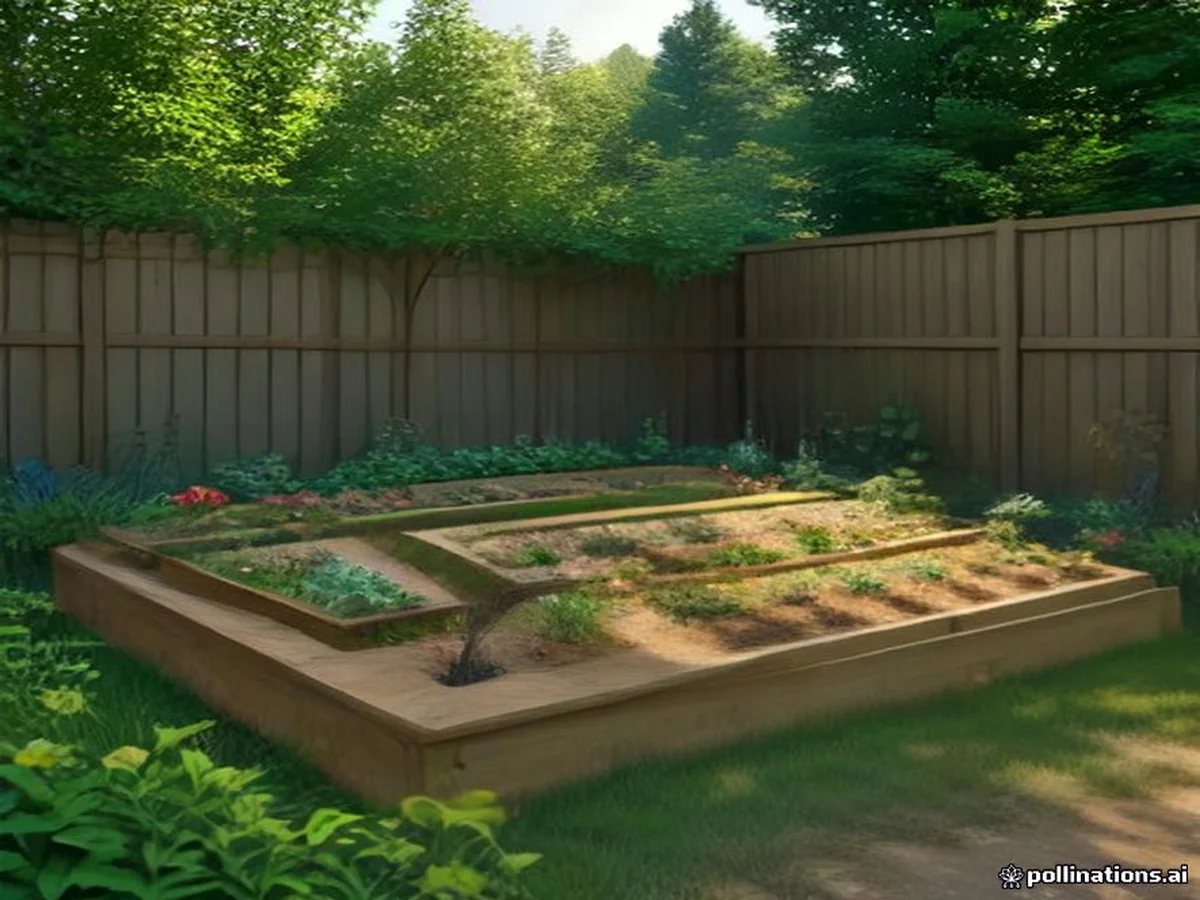
Raised garden beds are a practical addition to any outdoor space because they help contain your plants while keeping weeds and pests at bay. By elevating your growing area, you eliminate the need for tilling, which saves you significant physical labor throughout the gardening season.
When selecting materials for your structure, cedar planks are commonly used due to their durability and aesthetic appeal. This wood naturally resists decay, making it a reliable choice for long-term outdoor projects that endure changing weather conditions. The clean, warm look of natural wood also adds a polished finish to your backyard layout.
Constructing these beds is a straightforward process that does not require complex tools or advanced carpentry skills. You can achieve a sturdy result by following these basic steps:
- Measure and cut your wood to the desired length to define your bed footprint.
- Assemble the frame by securing the corners with exterior-grade screws or specialized hardware.
- Level the ground before placing your frame to ensure the bed sits securely on the soil.
- Line the bottom with landscape fabric or cardboard to suppress weeds before adding quality potting soil or compost.
Once the frame is assembled and filled, you are ready to begin planting. These structures work well for everything from flowers to vegetables, providing a controlled environment that makes maintenance much easier than traditional in-ground gardening. You will find that the defined edges keep your mulch and soil tidy, preventing erosion and helping your garden look intentional and well-kept all year long.
Creative Vertical Growing Ideas
You can maximize your gardening potential in compact areas by utilizing vertical surfaces and specialized containers. These diy garden projects allow you to expand your growing footprint without needing a sprawling backyard.
Mounting window box planters on the side of a shed is a common practice for gardeners seeking to reclaim wasted wall space. By installing these containers at eye level, you create an accessible zone for small plants and herbs that would otherwise clutter your ground-level beds.
For those interested in diy garden ideas for small spaces, dedicated herb gardens offer a high yield within a tiny footprint. Whether you hang tiered shelves or wall-mounted pockets, concentrating your culinary herbs in a vertical arrangement keeps them close to your kitchen door and simplifies daily harvesting.
Vertical structures are essential tools in urban or small backyard settings because they draw the eye upward and provide support for climbing varieties. Integrating these frames helps you manage plant growth more efficiently while maintaining a tidy, organized look. You might consider using these vertical elements to support vines or flowering plants, effectively creating a lush, living wall that brings life to narrow side yards or patio corners.
Lightweight Hypertufa Planters
Hypertufa is a material used to make concrete planters that is significantly lighter than typical concrete. This makes it an ideal choice for crafting custom garden containers that you can move around your patio or balcony without much effort.
You can create almost any shape by using different molds for these builds. Since the mixture starts as a malleable paste, it allows for unique textures and forms that look like natural stone once they cure. This creative freedom lets you design custom pieces that fit specific corners of your outdoor space or match your existing decor style.
Getting started requires only a few accessible items. You will generally need a combination of Portland cement, peat moss, and perlite or vermiculite. You should also have a plastic container or bucket to use as a mold, along with some heavy-duty gloves to protect your skin during the mixing process.
- Portland cement for structural binding.
- Peat moss to provide bulk and texture.
- Perlite or vermiculite to keep the final product lightweight.
- Water for creating the thick, packable consistency.
- A sturdy mold to give your planter its shape.
Preparation is straightforward but requires patience. Mix your dry ingredients thoroughly before slowly adding water until the mixture feels like damp cottage cheese. Once you pack the material into your chosen mold, let it sit for a few days to harden. After it is firm enough to remove from the mold, allow it to cure for several weeks to ensure it reaches its full strength and durability for long-term outdoor use.
DIY Upcycled Garden Decor

You can transform salvaged items into functional outdoor accents to save money while adding personality to your landscape. Using reclaimed materials is a clever way to approach diy garden ideas from recycled materials, though you must prioritize safety before integrating these pieces near edible crops.
Always verify the history of any wood or container you plan to repurpose. Avoid using wooden pallets or boards that have been pressure-treated with chemicals, as these substances can leach into the soil and affect your vegetables. If you are uncertain about the origin of a material, it is safer to use it exclusively for decorative structures or ornamental flower beds rather than food production.
Here are several ways to repurpose common household items for your backyard:
- Create vertical herb gardens by repurposing mason jars mounted onto wooden boards for easy access.
- Dismantle untreated wooden pallets to construct sturdy frames for decorative flower boxes or tool storage racks.
- Use old metal colanders as creative, naturally draining planters for trailing flowers or small succulents.
- Stack vintage clay pots to form whimsical towers that add height and visual interest to a patio corner.
- Convert worn-out galvanized buckets into rustic containers for seasonal blooms or small shrubs.
- Turn discarded wine corks into lightweight markers for identifying herbs and vegetables throughout the growing season.
Focusing on diy garden projects on a budget allows you to experiment with textures and styles without the high cost of new supplies. Whether you choose to paint your findings or leave them weathered, these repurposed elements bring a unique, cozy aesthetic to any outdoor space.
Planning Paths and Walkways
Gravel paths serve as an ideal way to define distinct sections within your outdoor space while keeping foot traffic contained. By creating clear routes through your yard, you can effectively separate flower beds from seating areas or vegetable patches. These walkways add structure to the landscape, making the entire area feel more intentional and organized.
Durability remains the most important factor when installing these surfaces. You must prepare a solid base to prevent the gravel from sinking into the soil or shifting over time. This foundational work ensures your walking areas remain level and functional throughout the seasons.
Consider these steps for a long-lasting result:
- Clear the path area of all existing grass and weeds to create a clean workspace.
- Excavate the soil to a sufficient depth to allow for both a sub-base of crushed stone and a top layer of decorative gravel.
- Install a landscape fabric barrier to suppress weed growth while maintaining proper drainage.
- Use sturdy edging materials to keep the gravel contained within the designated path boundaries.
By focusing on proper preparation, you ensure that your homemade walkways provide both beauty and utility for years to come. These additions help transform an open yard into a series of curated, accessible rooms.
Easy DIY Garden Trellises

Keep your wooden structures durable by applying a weather-resistant sealant or wood preservative before the first frost. Cedar planks are commonly used as building materials for raised garden bed plans due to their durability and aesthetic appeal, and this same wood works beautifully for sturdy trellises. Inspecting these supports for loose fasteners or signs of rot each spring ensures your climbing plants stay secure as they grow.
Concrete and hypertufa planters require gentle care to maintain their appearance through the changing seasons. Hypertufa is a material used to make concrete planters that is significantly lighter than typical concrete, making it a great choice for portable containers. Clean both concrete and hypertufa surfaces by gently scrubbing with a soft brush and mild soap to remove dirt and mineral buildup. Avoid harsh chemical cleaners, as these can weaken the material over time.
Seasonal maintenance keeps your various diy garden projects in top shape for years. Empty any containers that are not frost-proof before temperatures drop to prevent cracking. Clear away dead vines and debris from trellises at the end of the harvest to reduce the risk of pests overwintering in your garden structure. Simple upkeep like tightening screws or refreshing protective coatings preserves the beauty of your outdoor space through every season.
Simple DIY Garden Edging
Creating clear borders for your flower beds is an effective way to define your space and keep mulch in place. When building these structures, select materials capable of withstanding constant outdoor exposure, such as rot-resistant wood or stone, to ensure they do not degrade after a single season. Always measure your available space carefully before starting, as building too large can overwhelm a small landscape and make maintenance difficult.
Whether you choose bricks, metal, or cedar planks, focus on longevity and proportion to achieve a professional finish. Keep these fundamental tips in mind when planning your backyard improvements:
- Select cedar planks for your borders because they provide excellent durability and a natural aesthetic appeal in outdoor environments.
- Ensure every container project includes adequate drainage holes, as stagnant water will quickly damage plant roots and lead to failure.
- Avoid constructing features that are oversized for your yard, as compact designs often look more intentional and remain easier to manage.
- Check that all wood fasteners are rated for exterior use to prevent rust from compromising the integrity of your assembly.
- Remember that raised garden beds serve as common guidance for containing soil, which helps reduce the need for tilling and prevents weeds from spreading.
- Verify that your chosen stones or pavers are stable enough to withstand foot traffic or heavy rainfall without shifting out of alignment.
FAQ
How can I build raised garden beds on a budget?
Building raised garden beds is a common practice for containing soil without the need for constant tilling or weeding. Many gardeners use cedar planks for this purpose because they provide both durability and an appealing aesthetic to the finished structure.
What are some ways to use pallets for garden projects?
Wooden pallets are frequently repurposed into vertical planters or garden furniture to save on costs. You can secure these frames against a wall or fence to create a functional display for various potted plants.
How can I add vertical growing space in a small garden?
Adding window box planters to the side of a shed or fence is a popular way to maximize growing area in limited spaces. These vertical arrangements are ideal for small plants and herbs that do not require deep root systems.
What kind of DIY containers can I make for herbs?
If you want to create unique stone-look containers, you can use a material called hypertufa. Hypertufa is a mixture that allows you to craft concrete planters that are significantly lighter than typical concrete, making them easier to move around your yard.
Are there easy DIY garden projects that use recycled materials?
Many simple garden features rely on items you may already have on hand, such as glass jars or scrap wood. Focusing on these materials helps keep your diy garden projects on a budget while allowing you to customize your landscape design.
Conclusion
The best way to begin your transformation is to evaluate your available space and identify the most pressing functional need, such as improving soil access or increasing storage. Once you select a project, gather your materials and dedicate a weekend to completing the build. By choosing diy garden projects that align with your skill level and yard layout, you will create a beautiful, custom outdoor environment that serves your specific lifestyle.
Sources: extension.oregonstate.edu
You might also like: 10 DIY Wall Art Ideas with Beautiful Wooden Frames