
Cane Bolts: How to Secure the Inactive Leaf of Shed Double Doors in the Ground
Introduction
You can effectively stabilize your shed by installing cane bolts for shed double doors to hold the inactive leaf in a fixed position. These sturdy hardware components ensure your structure remains secure against wind damage and accidental swinging while maintaining a tidy appearance.
This article explores the practical aspects of selecting and installing hardware to secure the inactive door leaf. You will learn about the standard materials recommended for long-term corrosion resistance, such as galvanized or stainless steel, to withstand outdoor exposure. We also cover the essential mounting requirements that ensure your setup functions reliably over time, including proper rod depth for stability and interior placement for enhanced security. By following these guidelines, you can ensure that your double doors remain firmly closed and protected whenever they are not in use.
How Cane Bolts Work

Cane bolts serve as a vertical locking mechanism designed to hold the inactive door leaf of a shed in a fixed position. It is a verified requirement that the inactive door must be secured before the active door can be locked with a padlock or latch. By anchoring this secondary leaf, you create a rigid frame for the primary door, ensuring the locking mechanism aligns correctly and the structure remains stable.
Stabilization and Security Functions
Beyond basic alignment, these heavy duty shed door drop rod systems prevent wind damage by keeping the door from swinging freely during storms. When you engage the rod, it extends into a receiver, which acts as a physical barrier against movement that would otherwise stress your hinges. For enhanced protection, mounting brackets for cane bolts should be installed on the interior face of the door. This placement limits external access to the hardware, making it a reliable way to secure inactive door leaf components against unwanted manipulation.
If you are looking for an additional layer of security, padlockable cane bolts are a common recommendation. These versions feature a built-in eyelet that allows you to thread a padlock through the rod, preventing unauthorized individuals from lifting it. This simple upgrade transforms a standard stabilizer into a more robust security feature for your outdoor space.
Material Selection and Installation
When choosing hardware for outdoor sheds, selecting the right material is essential for longevity. Stainless steel or galvanized steel hardware is recommended to prevent rust and ensure smooth operation over time. The following table highlights the differences between these options for outdoor applications:
| Material | Corrosion Resistance | Best Use |
|---|---|---|
| Stainless Steel | High | Coastal or high-moisture environments |
| Galvanized Steel | Moderate to High | General outdoor shed use |
Regarding installation, common practice suggests that the rod should extend at least 2 inches into the ground or a designated strike plate to ensure effective stability. When learning how to install cane bolt on shed structures, consider the height of your doors, as these rods typically range from 12 to 24 inches in length. A common mistake is failing to account for the ground surface beneath the door. Installing a strike plate or a dedicated ground socket helps maintain consistent bolt depth, especially in soft soil or loose gravel where the bolt might otherwise sink. By maintaining these standards, you ensure the structural integrity of your double doors throughout changing seasons.
Why Use Cane Bolts
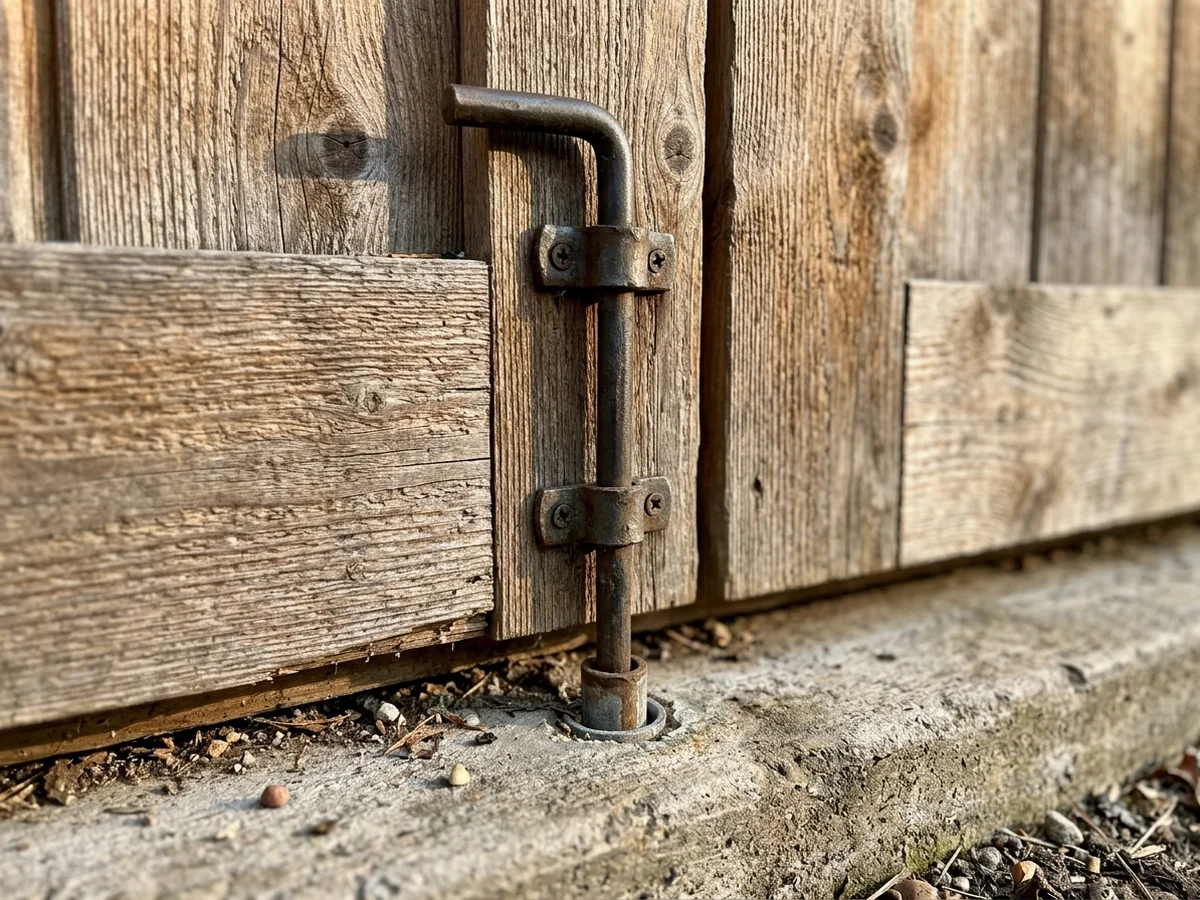
Cane bolts are commonly used to hold the inactive leaf of a double door in a fixed position. This mechanism creates a stable frame for the active door to latch against. The inactive door must be secured before the active door can be locked with a padlock or latch, as the security of the entire unit depends on this foundation. This setup helps ensure that your shed remains a reliable storage space rather than a point of vulnerability.
Improving Shed Stability and Security
It is common practice for properly installed cane bolts to prevent wind damage by keeping the door from swinging freely. When strong gusts hit a shed, an unsecured door leaf can slam against the frame or hinge, often leading to structural damage. By anchoring the rod into the ground, you can reduce play in the door and help ensure it remains steady during inclement weather.
Beyond weather protection, this hardware provides an essential layer of security by preventing unauthorized access to the inactive side. A locked inactive leaf ensures that anyone attempting to breach the entrance cannot simply pry open the secondary door to bypass your primary lock. To enhance this, using a locking cane bolt for double doors is often preferred, as these models include padlockable features that typically offer an additional layer of security compared to standard drop-rod styles.
Material Selection and Installation Best Practices
Because these bolts are exposed to the elements, selecting the correct material is vital for long-term functionality. It is common guidance that stainless steel or galvanized steel hardware is recommended for outdoor shed applications to prevent rust. High-quality metals help ensure the bolt continues to operate smoothly without seizing over time. When planning your installation, keep these technical considerations in mind:
- Per guidance from the Jefferson County, Texas Sheriff, mounting brackets for cane bolts should be installed on the interior face of the door for better security.
- It is common practice for the rod of the cane bolt to extend at least 2 inches into the ground for effective stability.
- Cane bolts typically range from 12 to 24 inches in length depending on the door height.
| Material | Corrosion Resistance | Best Use |
|---|---|---|
| Stainless Steel | High | Coastal or high-humidity environments |
| Galvanized Steel | Moderate to High | General outdoor shed applications |
When learning how to install a cane bolt on a shed, remember that the surface matters. If you are mounting into concrete, ensure you have the proper masonry drill bit. For earthen floors, ensure your ground strike plate is level to help maintain the bolt’s hold.
Durable Materials for Bolts
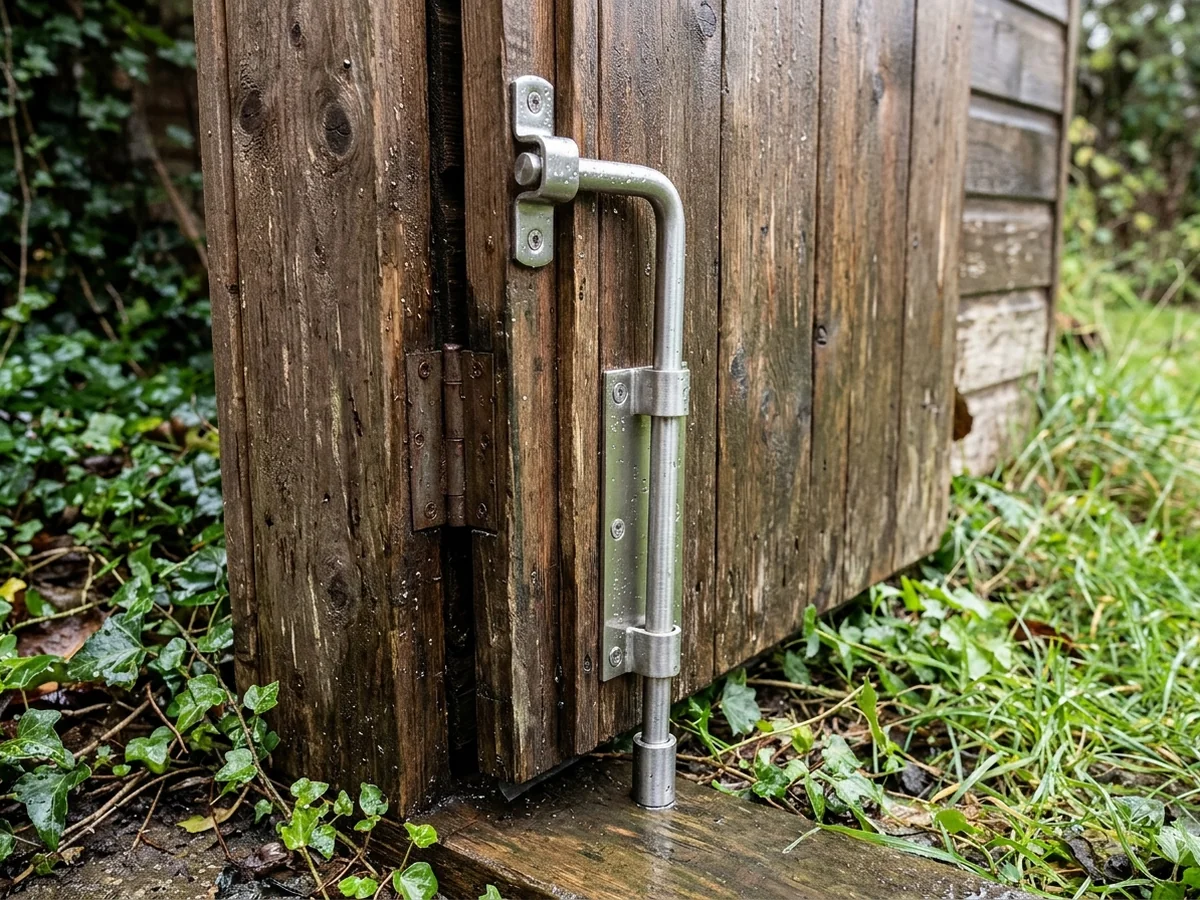
Selecting the right hardware for your outdoor shed is essential for long term reliability, especially when dealing with the constant exposure to moisture and temperature shifts that characterize outdoor environments. When choosing cane bolts for shed double doors, the primary goal is to prevent rust and mechanical seizing, which can compromise the structural integrity of the door assembly. Because the inactive door leaf must be secured before the active door can be locked with a padlock or latch, the bolt mechanism faces frequent mechanical stress and environmental wear.
Common guidance suggests using stainless steel or galvanized steel for outdoor shed applications to prevent rust. However, understanding the specific properties of each material helps in making an informed decision based on your local climate and budget constraints.
| Feature | Stainless Steel | Galvanized Steel |
|---|---|---|
| Corrosion Resistance | Excellent (inherent) | High (coating dependent) |
| Standard Coating | None required | ASTM A153 |
| Cost Factor | Higher | More affordable |
| Best Use Case | Coastal or humid zones | Standard outdoor exposure |
Galvanized steel achieves its durability through a zinc coating process. High quality products often adhere to the ASTM A153 standard, which ensures a thick, protective layer that resists rust significantly better than untreated steel. If you live in an area with standard outdoor exposure, galvanized steel is often sufficient. However, if your shed is located in a coastal region or a high humidity climate, the salt content in the air can quickly degrade galvanized coatings. In these scenarios, stainless steel is the superior choice because it provides inherent corrosion resistance without relying on a surface coating.
One common mistake when maintaining these systems is failing to keep the hardware clean. Regardless of the material, debris, dirt, or ice buildup can prevent the bolt from fully engaging with the ground or strike plate. To maintain a secure inactive door leaf, periodically clear the guide brackets and the ground socket. If you notice signs of surface oxidation on galvanized pieces, cleaning the area and applying a cold galvanizing spray can extend the life of the hardware. For stainless steel, regular wiping helps remove corrosive salt or airborne contaminants that might otherwise compromise the finish over time.
When installing your chosen hardware, keep in mind that mounting brackets should be installed on the interior face of the door for better security. This placement protects the bolt from unauthorized access while ensuring the rod remains aligned for smooth vertical travel. If the bolt becomes difficult to slide, a light application of a silicone based lubricant can help, but avoid heavy greases that tend to attract grit and debris.
Sizing Bolts for Sheds
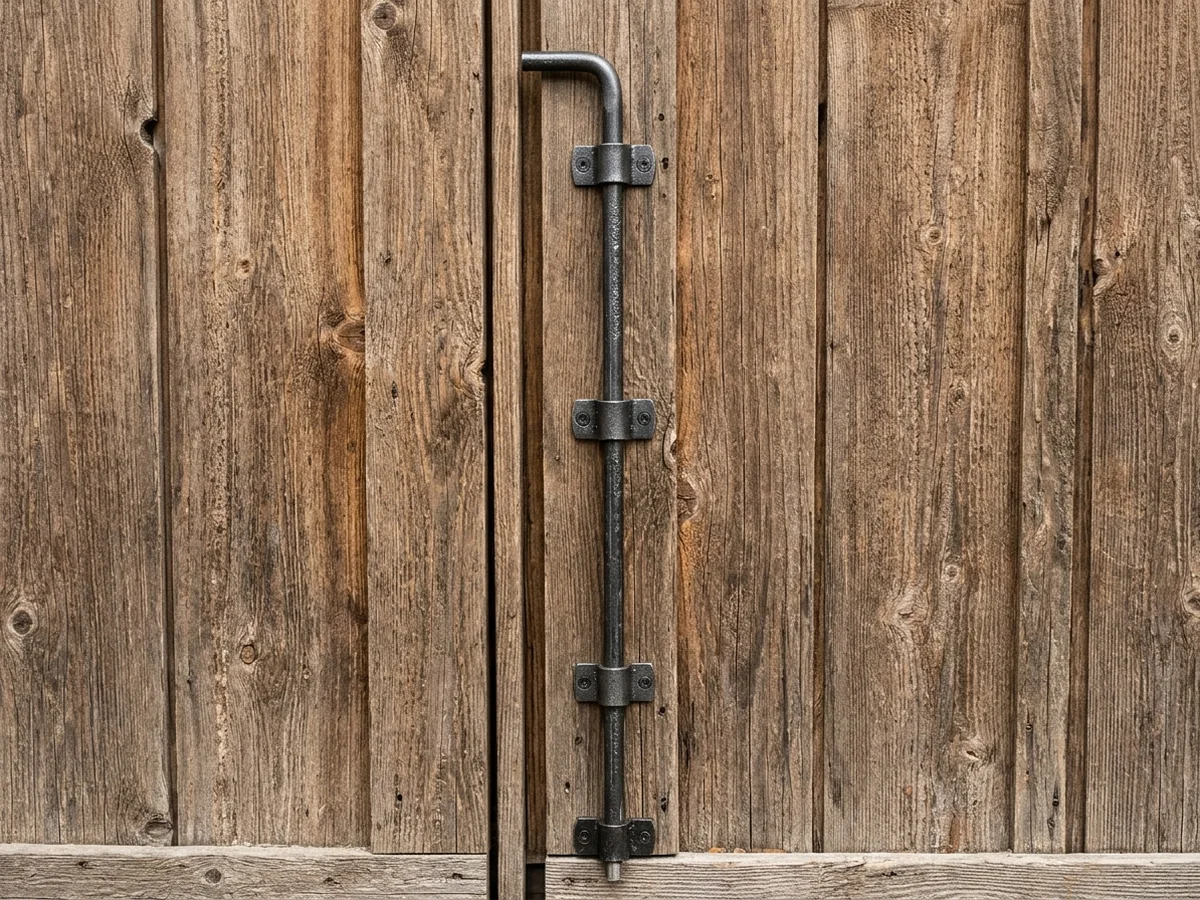
Selecting the correct hardware length is vital for ensuring your door remains stable and weather-tight. When considering cane bolts for shed double doors, common guidance suggests that lengths typically range from 12 to 24 inches. The specific size you choose should depend on the height of your door, the distance to the ground, and any structural elements like thresholds or decorative trim.
Measuring for Stability
To determine the necessary length, measure the distance from the intended mounting position on your door down to the ground surface. It is common practice for the rod of the cane bolt to extend at least 2 inches into the ground to provide effective stability. This depth helps prevent the inactive leaf of a double door from swinging freely during high winds or accidental impacts. Because the inactive door must be secured before the active door can be locked with a padlock or latch, choosing a length that allows for smooth, reliable operation is essential.
When selecting your hardware, prioritize materials that offer high corrosion resistance. Stainless steel or galvanized steel hardware is recommended for outdoor shed applications to prevent rust. While standard drop-rod styles are common, padlockable cane bolts provide an additional layer of security compared to basic versions. Always ensure your measurements account for the full range of motion required to lift and clear the ground during daily use, as an excessively long rod may become cumbersome to operate.
Common Installation Pitfalls
Mounting brackets for these bolts should always be installed on the interior face of the door for better security, as noted by the Jefferson County Sheriff’s Office. A frequent mistake is failing to account for the height of your threshold or decorative trim, which can add significant distance between the door and the surface below. If your shed sits on an uneven surface, you may find it necessary to select a longer bolt to maintain consistent engagement. Conversely, choosing a size that is too short can result in the bolt dislodging during environmental shifts, such as frost heave or soil settling.
Material Selection for Longevity
The environment plays a significant role in how your hardware performs over time. Outdoor exposure demands materials that resist oxidation and structural degradation.
| Material | Best Use Case | Corrosion Resistance |
|---|---|---|
| Stainless Steel | High-moisture or coastal areas | Excellent |
| Galvanized Steel | Standard outdoor utility | Good |
When installing a heavy duty shed door drop rod, ensure your selected material matches your local climate conditions to maintain both the aesthetic and functional integrity of your storage space.
Installing Shed Cane Bolts
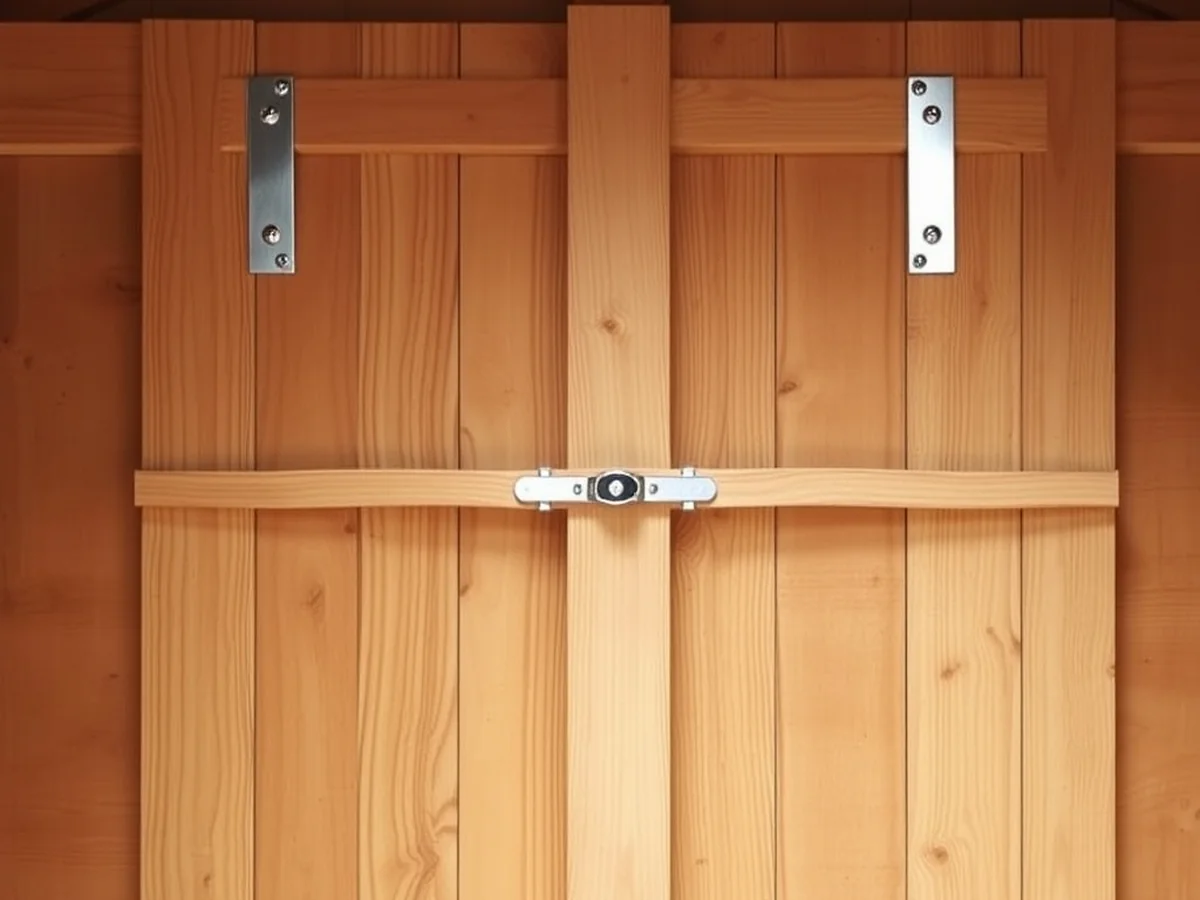
Cane bolts are designed to hold the inactive leaf of a double door in a fixed position. By keeping this side of the door steady, these bolts prevent the doors from swinging freely during high winds, which helps maintain the structural integrity of your structure. The inactive door must be secured before the active door can be locked with a padlock or latch. According to the Jefferson County Sheriff’s Office, mounting brackets for cane bolts should be installed on the interior face of the door for better security, as this conceals the hardware and helps prevent unauthorized access.
Selecting Durable Hardware
Because these bolts are exposed to the elements, common guidance suggests that stainless steel or galvanized steel hardware is the best material for outdoor shed latches to prevent rust and ensure smooth operation. While galvanized options are often treated to meet standards like ASTM A153 for corrosion resistance, stainless steel offers superior longevity in harsh or coastal environments. When selecting your hardware, consider that cane bolts typically range from 12 to 24 inches in length depending on the door height.
| Material | Corrosion Resistance | Best Use |
|---|---|---|
| Galvanized Steel | High | Standard outdoor sheds and garden environments. |
| Stainless Steel | Excellent | High humidity, coastal areas, or heavy rain zones. |
Practical Installation Steps
To learn how to install a cane bolt on a shed, you will need a drill, drill bits sized to your fastener shank, a screwdriver or impact driver, and a pencil. Begin by closing the inactive door fully to determine the ideal placement. Hold the brackets against the interior face and mark your pilot holes with a pencil. Drilling pilot holes before driving screws is essential to prevent the wood from splitting.
Once the brackets are attached, slide the heavy duty shed door drop rod through the guides. A common practice is to ensure the rod extends at least 2 inches into the ground or a floor strike plate for maximum stability. If the door experiences seasonal swelling, you may need to adjust the mounting height slightly to ensure the rod clears the threshold during colder or wetter months. Using a locking cane bolt for double doors provides an additional layer of security, as the shackle prevents the rod from being lifted when the door is closed.
Handling Uneven Ground Surfaces
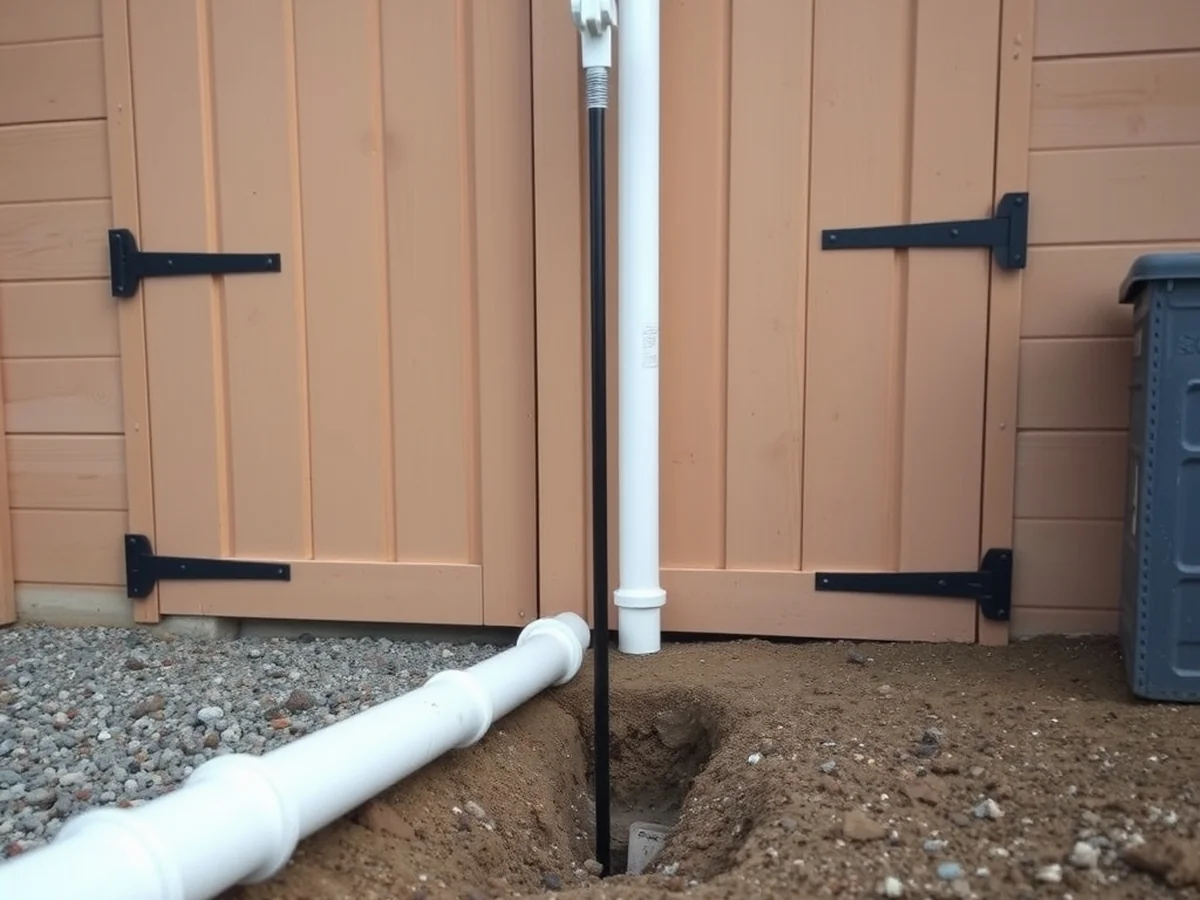
When you install cane bolts for shed double doors, the condition of the ground surface significantly impacts how well the hardware functions. Because the inactive door leaf must be secured before the active door can be locked with a padlock or latch, your ground-level anchor point must remain stable and clear of debris.
If the ground is loose or uneven, the drop rod may shift, fail to seat properly, or sink into the soil over time. This movement can prevent the bolt from effectively keeping the inactive door leaf in a fixed position.
Anchoring in Soil or Gravel
For installations over dirt or loose gravel, a simple metal hole often loses its shape. To maintain proper vertical alignment, consider sinking a short length of PVC pipe or a dedicated ground sleeve into the earth. This guide ensures the rod enters the same spot every time. Compact the surrounding soil or use a small amount of concrete around the exterior of the pipe to keep it stationary. This approach prevents the rod from digging into the earth and provides the necessary stability for the inactive door leaf to remain fixed.
Mounting on Concrete or Pavers
When your shed is built on a concrete pad or stone foundation, you will need a hammer drill and a carbide-tipped masonry bit to create a clean opening. Avoid drilling too close to the edge of a concrete slab, as this can cause the material to crack under the pressure of the rod. Use appropriate concrete anchors or a metal mortise strike plate to line the hole. This protects the stone from wear and creates a smooth, flush surface that prevents the rod from binding. Always ensure the strike plate is flush with the ground to avoid creating a trip hazard.
Managing Seasonal Shifts and Corrosion
Outdoor hardware is subject to environmental stress, particularly during freeze-thaw cycles. Moisture that accumulates in a ground-mounted strike plate can expand when it freezes, which may jam the mechanism or fracture the surrounding masonry. To protect your investment, choose high-quality components. It is common practice to use stainless steel or galvanized steel hardware to prevent rust. While stainless steel offers superior corrosion resistance, galvanized steel is often sufficient for most shed applications.
Check that the rod depth remains at least 2 inches to ensure proper stability against wind damage. If you live in an area with harsh winters, clear standing water from the strike plate area regularly and consider applying a silicone-based lubricant to the rod to prevent it from bonding to the plate due to ice buildup.
Locking Your Cane Bolts
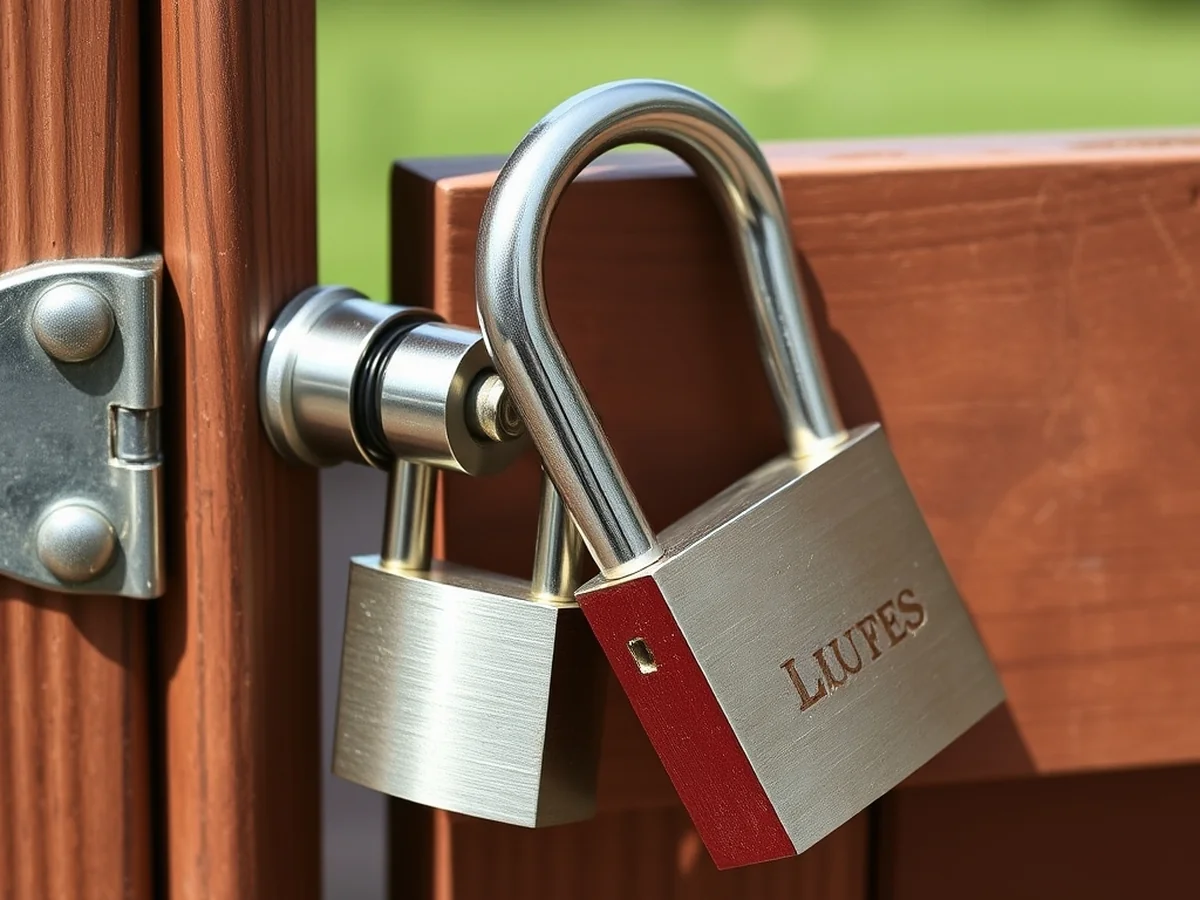
You secure your doors effectively by choosing between standard rods and locking cane bolt for double doors designs. While a basic exterior drop rod acts primarily as a physical stop to keep the inactive leaf in place, a padlockable version adds a security loop that allows you to lock the bolt in the downward position using a standard padlock.
The inactive door must be secured before the active door can be locked with a padlock or latch, according to official safety guidelines. This sequence is vital because the inactive door serves as the anchor point for the active door to latch against. Without this firm, fixed foundation, the main lock lacks a stable surface to engage, rendering your primary security measures ineffective.
While these bolts provide stability, they have clear limitations against forced entry. A bolt mounted on the exterior is susceptible to prying or cutting, which is why mounting brackets for cane bolts should be installed on the interior face of the door for better security, as noted by the Jefferson County Sheriff’s Office. Even when installed correctly, this hardware is typically used to prevent wind damage and accidental swinging rather than serving as a high-security deadbolt.
To maximize the effectiveness of your hardware, consider these common practices for installation and maintenance:
- Common guidance suggests using stainless steel or galvanized steel hardware to prevent rust in outdoor environments.
- Typical practice involves ensuring the rod extends at least 2 inches into the ground for effective stability.
- It is common to select a rod length between 12 and 24 inches to match the specific height of your shed doors.
By securing the inactive leaf first, you establish a reliable frame for your shed entrance. However, always remember that these rods are meant to be a secondary stabilizing feature. For high-value items stored inside, consider pairing this hardware with heavy duty locking mechanisms on the active door and reinforced door frames to create a more comprehensive defense against unauthorized access.
FAQ
Do I really need to secure the inactive door leaf?
Yes, the inactive door must be secured before the active door can be locked with a padlock or latch. This process ensures the entire double door assembly remains rigid and protected against forced entry.
How deep should a cane bolt go into the ground?
It is common guidance that the rod of the cane bolt should extend at least 2 inches into the ground for effective stability. Ensuring this depth helps keep the inactive door from swinging freely during high winds.
What material is best for outdoor shed hardware?
Stainless steel or galvanized steel hardware is typically recommended for outdoor shed applications to prevent rust. These materials offer the necessary corrosion resistance to withstand changing weather conditions over time.
Are there different lengths of cane bolts available?
Cane bolts typically range from 12 to 24 inches in length depending on the door height. Choosing the correct size ensures the bolt reaches the ground surface comfortably while maintaining proper alignment with the mounting brackets.
Where is the best place to mount the hardware?
Mounting brackets for cane bolts should be installed on the interior face of the door for better security. Placing the hardware inside the shed prevents unauthorized access to the bolt mechanism from the outside.
Do padlockable cane bolts offer more protection?
Padlockable cane bolts provide an additional layer of security compared to standard drop-rod styles. This feature allows you to lock the bolt in either the extended or retracted position for added peace of mind.
Conclusion
Selecting the right hardware is the primary decision point when you are ready to stabilize your shed doors. You should evaluate your specific ground conditions, such as concrete or soil, to determine the necessary strike plate or anchor requirements before purchasing your equipment. Choosing high-quality, corrosion-resistant materials ensures your setup remains functional throughout the seasons. Once you have acquired the appropriate hardware, you can move forward with installing cane bolts for shed double doors to ensure your inactive leaf remains securely in place. This simple upgrade significantly improves the overall stability and security of your exterior structure.
Sources: campussafety.unc.edu, jeffersoncountytx.gov
You might also like: Cane Bolts: How to Secure the Inactive Leaf of Shed Double Doors in th