How Deep Should a Crushed Gravel Foundation Pad Be for a 10×12 Shed?
Introduction
A minimum of 4 inches is the typical gravel foundation depth for 10×12 shed structures to ensure stability and drainage. Achieving the correct gravel foundation depth for 10×12 shed bases is essential for preventing long-term settling and protecting the shed floor from moisture.
This article covers the best practices for building a durable stone base, including material selection, volume calculations, and critical site preparation steps. You will learn how to properly prepare the soil, the importance of using the right aggregate, and how to maintain proper drainage around the perimeter of your shed. Whether you are planning a DIY build or preparing a site for a pre-assembled structure, these guidelines will help you create a level, long-lasting foundation that supports your shed for years to come.
Determine Foundation Depth Requirements
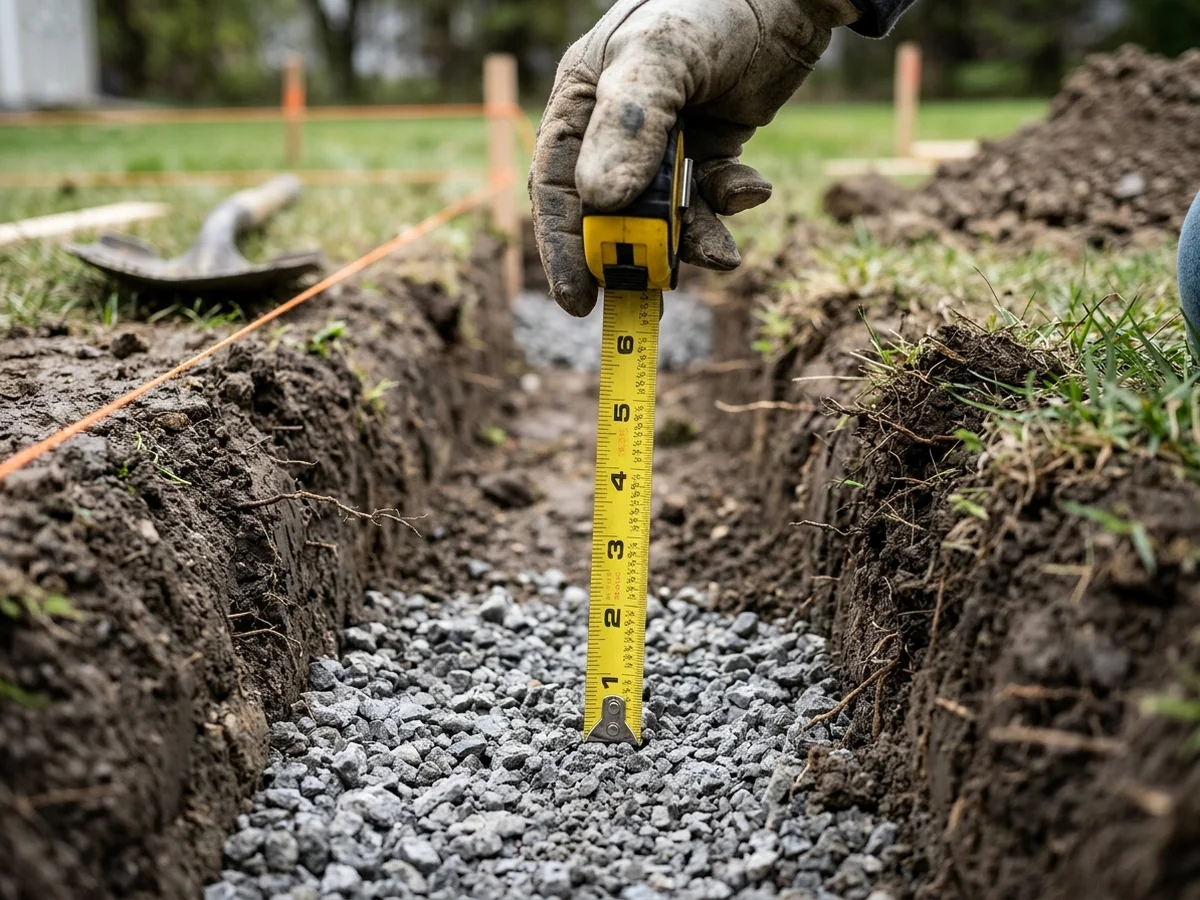
A minimum of 4 inches of crushed stone is typically recommended as the standard gravel foundation depth for 10×12 shed projects to ensure long term stability. Maintaining this specific depth is essential because it provides a uniform, load bearing base that prevents the structure from sagging or sinking unevenly over time.
When the foundation is too shallow, the weight of the shed can cause the base to shift, leading to misaligned doors and structural cracks. Conversely, a properly built pad acts as a drainage layer. Gravel foundations provide superior drainage compared to concrete slabs for wooden shed floors, which helps keep moisture away from the structure and protects the wood from rot and decay.
Achieving this stability requires careful preparation before the first stone is laid. According to the University of Wisconsin-Madison, compacting the soil before laying gravel is essential to prevent future settling. This step ensures that the ground beneath the pad is firm and capable of supporting the weight of the shed and its contents.
To maintain a high quality foundation, follow these critical construction practices:
- Use landscape fabric beneath the gravel to prevent the stone from sinking into the soil and to suppress weed growth.
- Ensure the pad extends at least 1 foot beyond the shed perimeter on all sides to manage roof runoff effectively.
- Slope the ground away from the shed foundation to prevent water pooling.
- Select crushed stone with fines, such as 3/4 inch minus, which packs down more effectively than clean, rounded stone.
For a typical 10×12 shed covering 120 square feet, reaching that 4 inch depth requires approximately 1.5 to 2 cubic yards of gravel. Using the correct volume of base aggregate ensures the pad maintains its integrity throughout the seasons. By adhering to these standard depth requirements, you create a durable, level platform that keeps your outdoor structure safe and functional for years.
Standard Gravel Foundation Depth
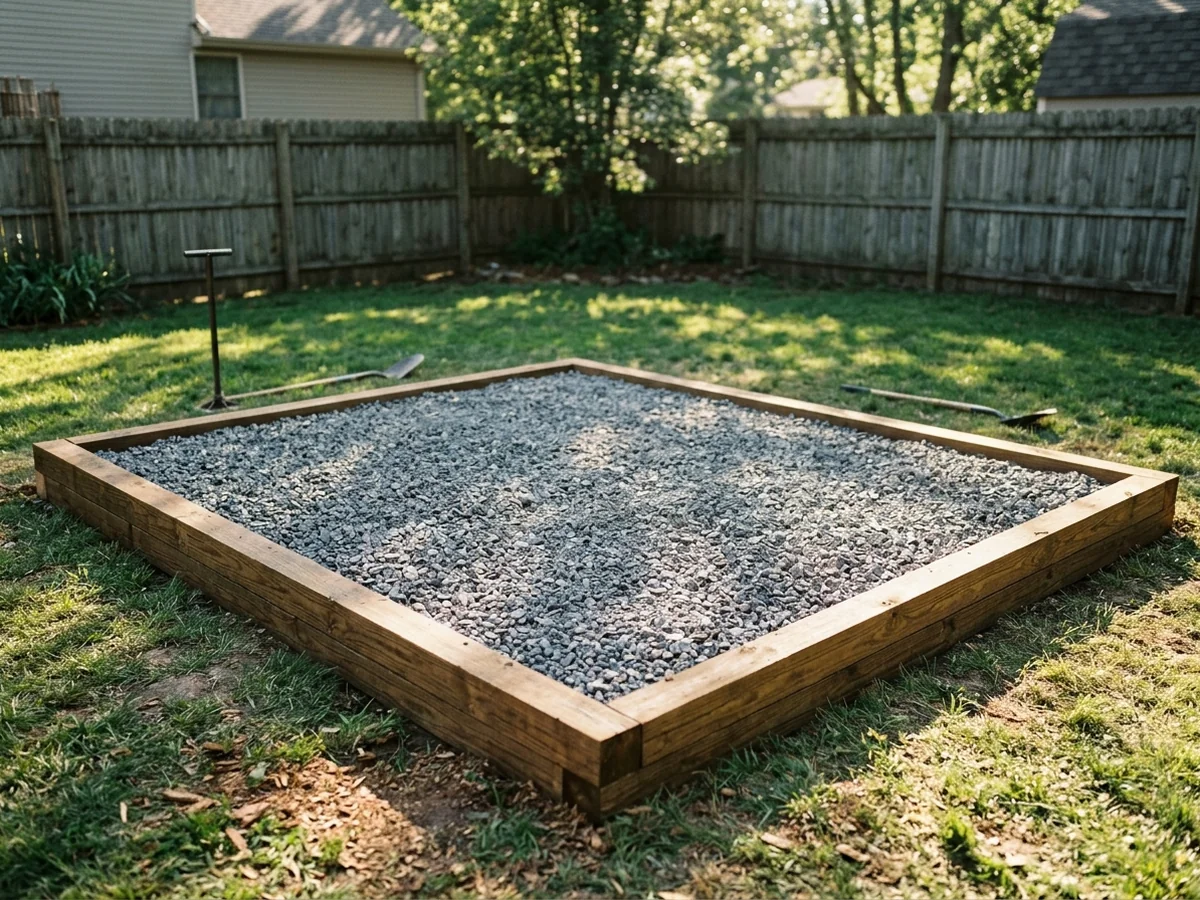
Most shed projects rely on a minimum of 4 inches of crushed stone to provide a stable, level base. This depth is widely considered the standard starting point for ensuring a shed remains level and properly supported over time.
Depth is critical because it dictates how effectively the foundation distributes the weight of the structure and its contents into the ground. A shallow base can lead to uneven settling or shifting, which may cause doors to stick or the building frame to warp. By maintaining an adequate thickness, you create a load-bearing surface that resists the pressure exerted by the shed walls and floor system.
Local soil conditions often require you to adjust these depth requirements. In areas with soft or expansive clay, you may need to excavate deeper and install a thicker layer of base aggregate to prevent the pad from sinking. Conversely, firm, well-draining soil might allow for the standard depth, provided you prioritize proper site preparation. Compacting the soil before laying gravel is essential to prevent future settling, regardless of your chosen depth.
When planning your gravel foundation depth for 10×12 shed projects, consider the following factors to ensure long-term stability:
- Use landscape fabric beneath the stone to prevent the gravel from sinking into the native soil and to suppress weed growth.
- Select crushed stone with fines, such as 3/4 inch minus, which packs down much better than clean, washed stone.
- Ensure the ground slopes away from the shed foundation, as confirmed by the Pacific Northwest National Laboratory, to effectively prevent water from pooling around the base.
- Extend the pad at least 1 foot beyond the shed perimeter on all sides to improve drainage and provide a clean border.
Following these practices helps maintain the integrity of your foundation. Proper compaction and site drainage are just as important as the total depth of the stone layer. When these elements work together, the gravel pad provides superior drainage compared to concrete slabs for wooden shed floors, keeping your structure dry and secure.
Calculate Gravel Volume Needed

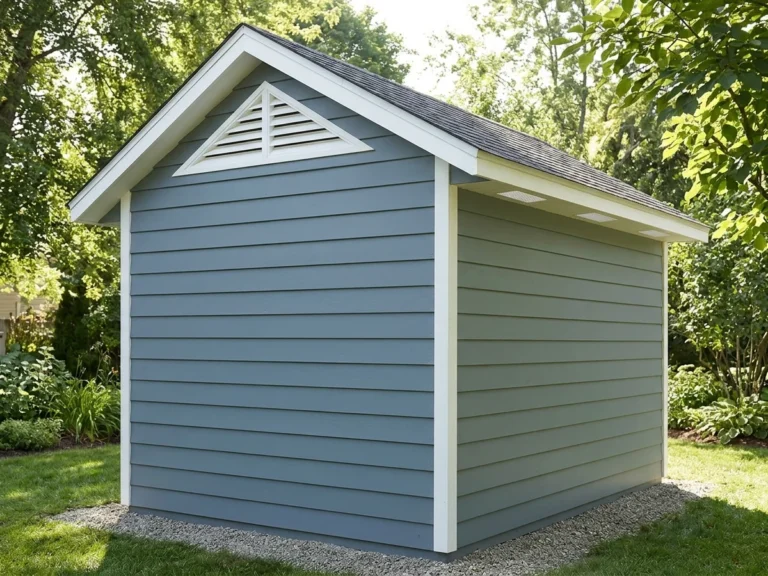
Determining the correct amount of material is a critical step in your shed foundation site preparation. To calculate the total volume, multiply your planned pad length by the width and the desired depth in feet, then divide that result by 27. This conversion provides the total in cubic yards, which is the standard measurement used by most landscape suppliers. If you are calculating for a 10×12 shed, keep in mind that common guidance suggests a pad size of 12×14 feet to allow for a 1-foot extension beyond the shed perimeter on all sides. This extra space is vital for ensuring proper drainage and long-term stability.
| Pad Feature | Standard Consideration |
|---|---|
| Common Depth | 4 inches |
| Volume Calculation | (Length x Width x Depth) / 27 |
| Yield for 12×14 Pad | 1.5 to 2 cubic yards |
When selecting your base aggregate, many professionals prefer crushed stone with fines, such as 3/4 inch minus, because it packs down more effectively than clean, rounded stone. Clean stone does not lock together, which can lead to a shifting base over time. A minimum of 4 inches of crushed stone is typical for most installations, though you should assess your soil conditions before finalizing your order.
A common mistake during installation is failing to account for soil displacement. Before adding your stone, you must compact the soil to prevent future settling, as loose earth will eventually compress under the weight of the shed.
Additionally, always install a layer of landscape fabric or geotextile between the native soil and the gravel. This prevents the base aggregate from sinking into the ground and helps suppress weed growth through your structure.
Finally, remember that sloping the ground away from the foundation is a necessary step to prevent water from pooling around the base. Taking the time to calculate your volume accurately and preparing the sub-base correctly ensures a level, durable foundation that provides superior drainage for your wooden floor system.
Choosing Proper Gravel Size
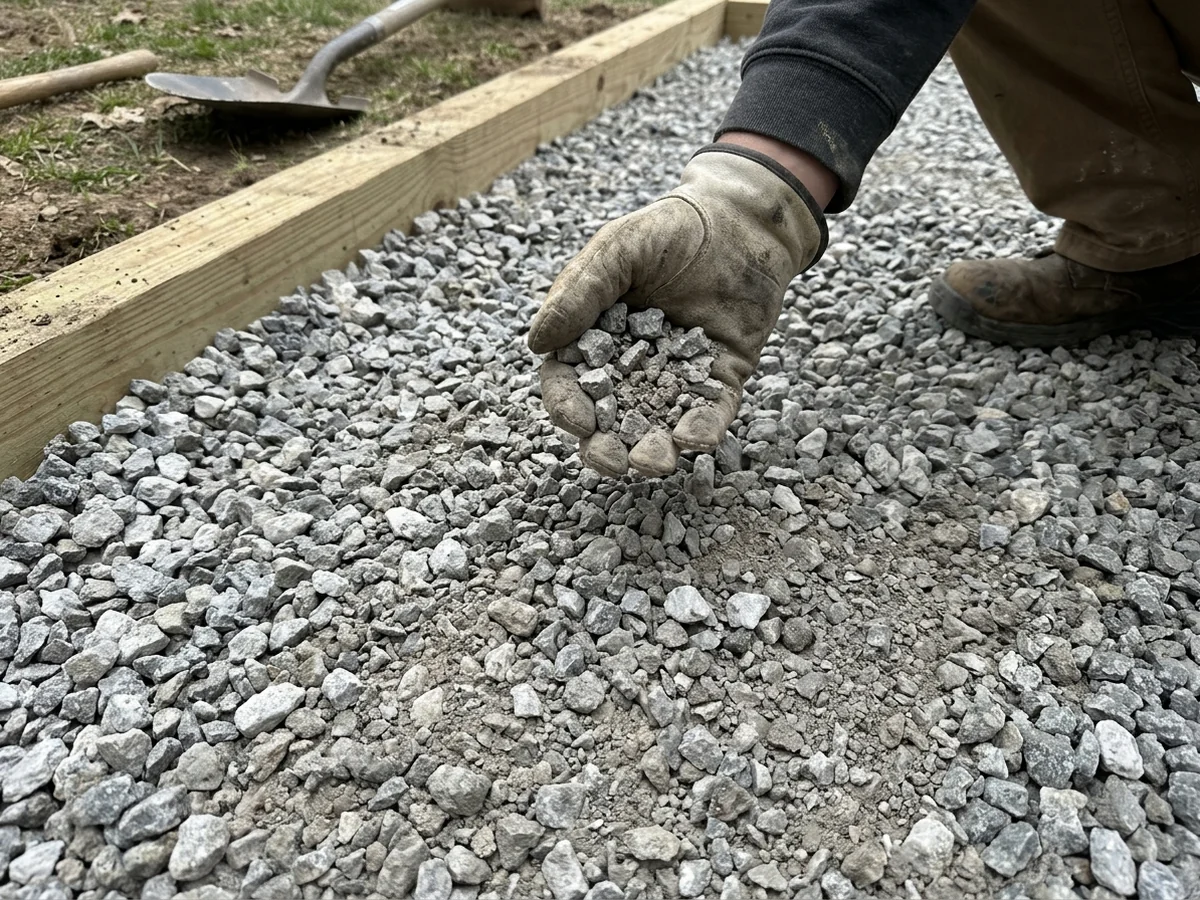
Selecting the best gravel for shed foundation projects requires looking beyond visual appeal to focus entirely on structural performance. While clean, uniform stone might appear attractive, it lacks the interlocking properties needed for a long-term foundation. When comparing crushed stone vs gravel for shed base stability, crushed stone with angular edges is widely preferred over rounded pea gravel. Rounded stones act like ball bearings, which prevents the base from ever achieving a truly stable, firm foundation. By contrast, the angular faces of crushed aggregate provide mechanical interlock that resists shifting under the weight of your structure.
Why Fines Matter in Base Aggregate
The material most commonly recommended as the best gravel for a shed foundation is crushed stone containing a mix of aggregate sizes, frequently called 3/4 inch minus. This specific material works exceptionally well because crushed stone with fines packs down significantly tighter than clean crushed stone. The smaller stone particles and stone dust fill the empty spaces between larger stones, allowing the entire base to lock together into a dense, solid surface. This density acts as the binding agent that turns loose stone into a durable, semi-permanent layer. Maintaining this firmness is crucial for keeping the level surface required for your shed to remain square and for the doors to operate smoothly throughout the seasons.
Comparing Gravel and Stone Types
Understanding how different stone materials perform helps homeowners choose the right base aggregate for their specific site conditions:
- Crushed 3/4 inch minus stone contains stone dust and small fragments that lock into a dense, rigid platform.
- Clean, washed stone drains water quickly but lacks the mechanical interlock needed to prevent shifting under heavy loads.
- Rounded pea gravel rolls under pressure and fails to pack down securely, making it an unsuitable choice for load-bearing pads.
Using a well-graded base aggregate provides several distinct advantages for your project. The presence of fines ensures the material packs down significantly tighter than clean stone, creating a stable platform that resists sinking over time. Furthermore, proper compaction of these materials results in a rigid foundation that supports wooden floors without flexing, while promoting a more uniform distribution of weight across the entire foundation pad.
Calculating Material and Depth Requirements
A minimum of 4 inches of crushed stone is standard for most shed foundations, providing enough depth to distribute weight evenly while maintaining good drainage. For a standard 10×12 shed covering 120 square feet, achieving this depth typically requires approximately 1.5 to 2 cubic yards of gravel. The total volume of gravel needed is generally calculated by multiplying length by width by depth in feet, then dividing by 27. Builders should also remember that gravel foundations provide superior drainage compared to concrete slabs for wooden shed floors, helping to keep floor joists dry and free from rot over the life of the structure.
Excavating for Foundation Depth

To determine the appropriate gravel foundation depth for 10×12 shed construction, you should prepare for a minimum of 4 inches of crushed stone. A 10×12 shed covers 120 square feet, and standard guidance suggests that the foundation pad should extend at least 1 foot beyond the shed perimeter on all sides to ensure maximum stability. Achieving this depth requires careful excavation and proper shed foundation site preparation to protect the structural integrity of your wooden structure.
Calculating Volume and Soil Stability
Before moving any earth, you must understand how much gravel for 10×12 shed base projects is typically required. A 10×12 pad at 4 inches deep generally requires approximately 1.5 to 2 cubic yards of gravel. You can calculate the total volume of gravel needed by multiplying length by width by depth in feet, then dividing by 27. When selecting your materials, remember that crushed stone with fines, like 3/4 inch minus, packs down much better than clean crushed stone because the smaller particles lock the aggregate together.
Compacting the soil before laying gravel is essential to prevent future settling, according to guidelines from the University of Wisconsin-Madison. Loose earth compresses under the weight of a heavy structure, which leads to shifting and frame distortion. Sloping the ground away from the shed foundation prevents water pooling, as noted in resources from the Pacific Northwest National Laboratory. This proper grading keeps moisture away from the perimeter.
Step by Step Excavation
Executing your gravel pad installation steps correctly involves a clear sequence of manual and mechanical tasks:
- Strip away all topsoil and organic matter to reach undisturbed, stable ground.
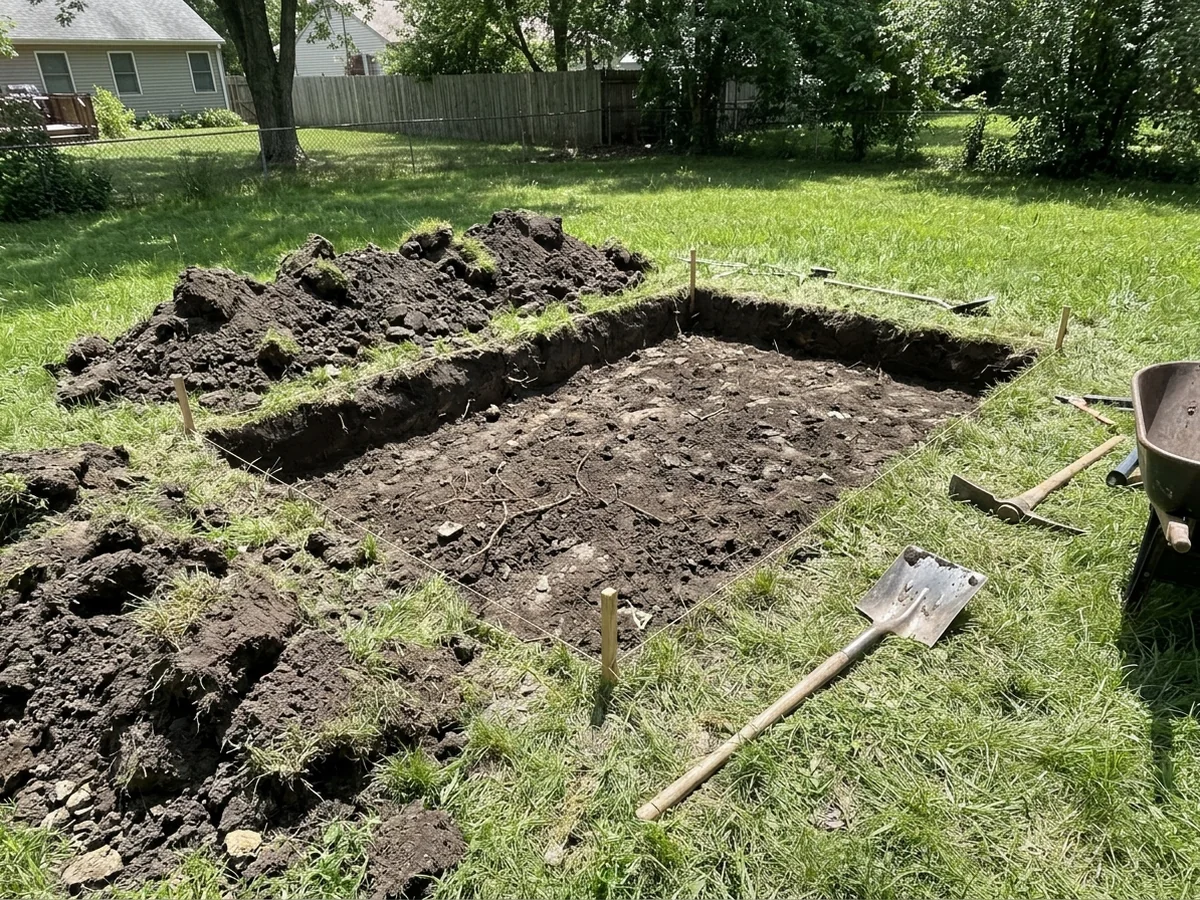
- Excavate the entire footprint plus the extra perimeter margin to the target depth.
- Level the excavated dirt thoroughly to eliminate high and low spots.
- Use a plate compactor or hand tamper to firm up the exposed soil surface completely.
- Install landscape fabric across the entire area, as this geotextile is necessary to prevent gravel from sinking into the soil and to suppress weed growth.
Gravel foundations provide superior drainage compared to concrete slabs for wooden shed floors, keeping the bottom plates dry and preventing rot. Once the sub-base is solid, clean, and level, you are ready to fill the area with your base aggregate to complete a durable, long-lasting platform.
Installing Your Gravel Base
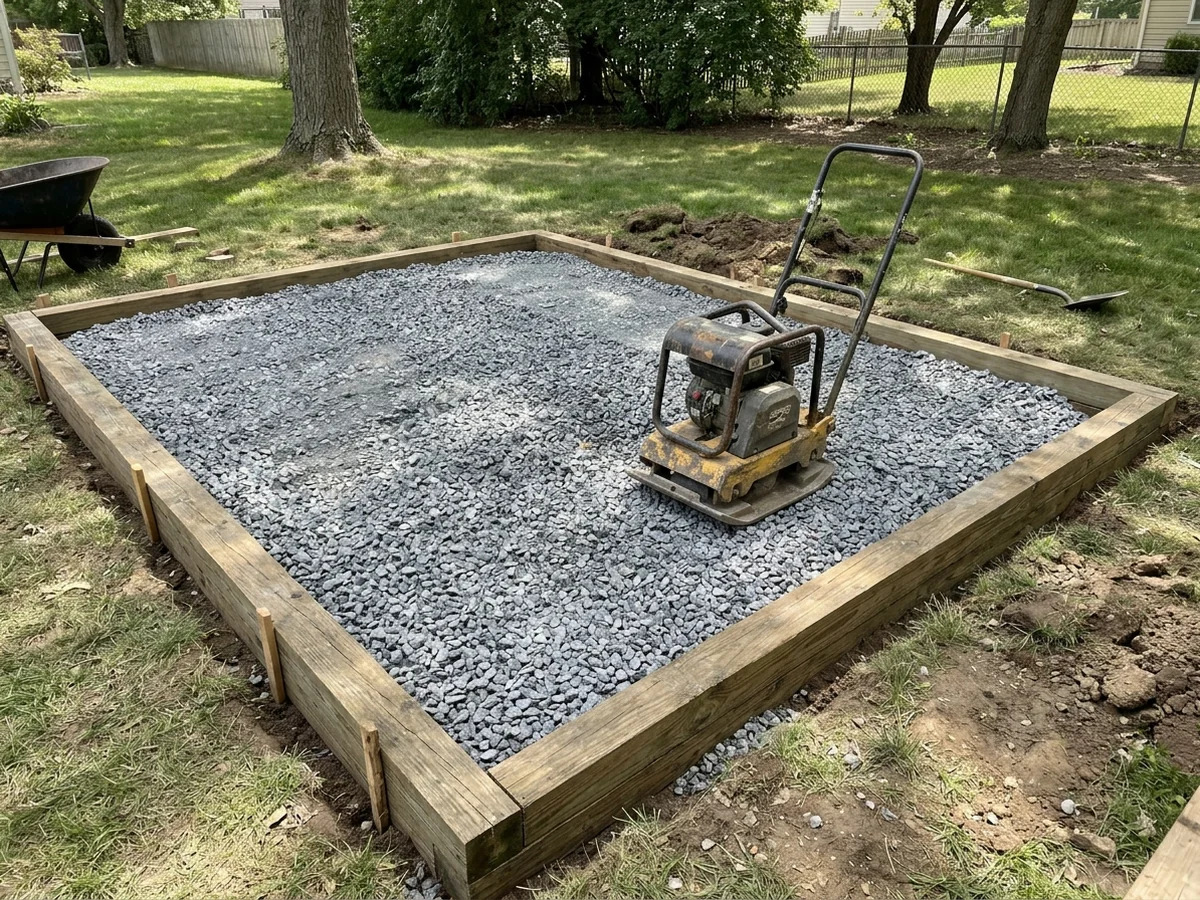
A stable gravel foundation for an outbuilding typically requires at least 4 inches of crushed stone. Following proper gravel pad installation steps ensures your structure remains level and prevents future shifting or moisture damage to the wooden floor. Understanding the required gravel foundation depth for a 10×12 shed helps homeowners budget materials accurately and build a durable platform.
Material Selection and Calculation
Selecting the right base aggregate is essential for structural integrity. Crushed stone with fines, such as 3/4 inch minus stone, packs down better than clean crushed stone because the smaller particles lock together tightly to form a solid platform. To determine how much gravel for a 10×12 shed base is needed, use standard volume calculations. The total volume of gravel needed is calculated by multiplying length by width by depth in feet, then dividing by 27. A typical 10×12 pad at 4 inches deep covers 120 square feet and requires approximately 1.5 to 2 cubic yards of gravel.
Site Preparation and Excavation Steps
Before bringing in any stone, thorough shed foundation site preparation is necessary. Clear the site of all organic material and topsoil to expose a firm, stable earth surface. According to research from the University of Wisconsin-Madison, compacting the soil before laying gravel is essential to prevent future settling. Following this earthwork, lay down heavy-duty landscape fabric or a geotextile over the entire area. This material is necessary to prevent gravel from sinking into the soil and to suppress weed growth.
Compaction and Drainage Methods
Spread your chosen base aggregate in uniform layers across the footprint. Use a plate compactor or a heavy hand tamp to compress each layer of stone thoroughly, which is vital for creating a rigid, load-bearing surface. Extend the finished pad at least 1 foot beyond the shed perimeter on all sides to improve stability and support drainage.
Effective water management is equally vital for the longevity of your outbuilding. According to guidelines from the Pacific Northwest National Laboratory, sloping the ground away from the shed foundation prevents water pooling. By ensuring the finished grade directs runoff away from the base, you protect your wooden structure from rot and moisture infiltration. Gravel foundations provide superior drainage compared to concrete slabs for wooden shed floors, provided the surrounding area is properly graded to carry excess water away from the site.
Avoiding Foundation Depth Errors
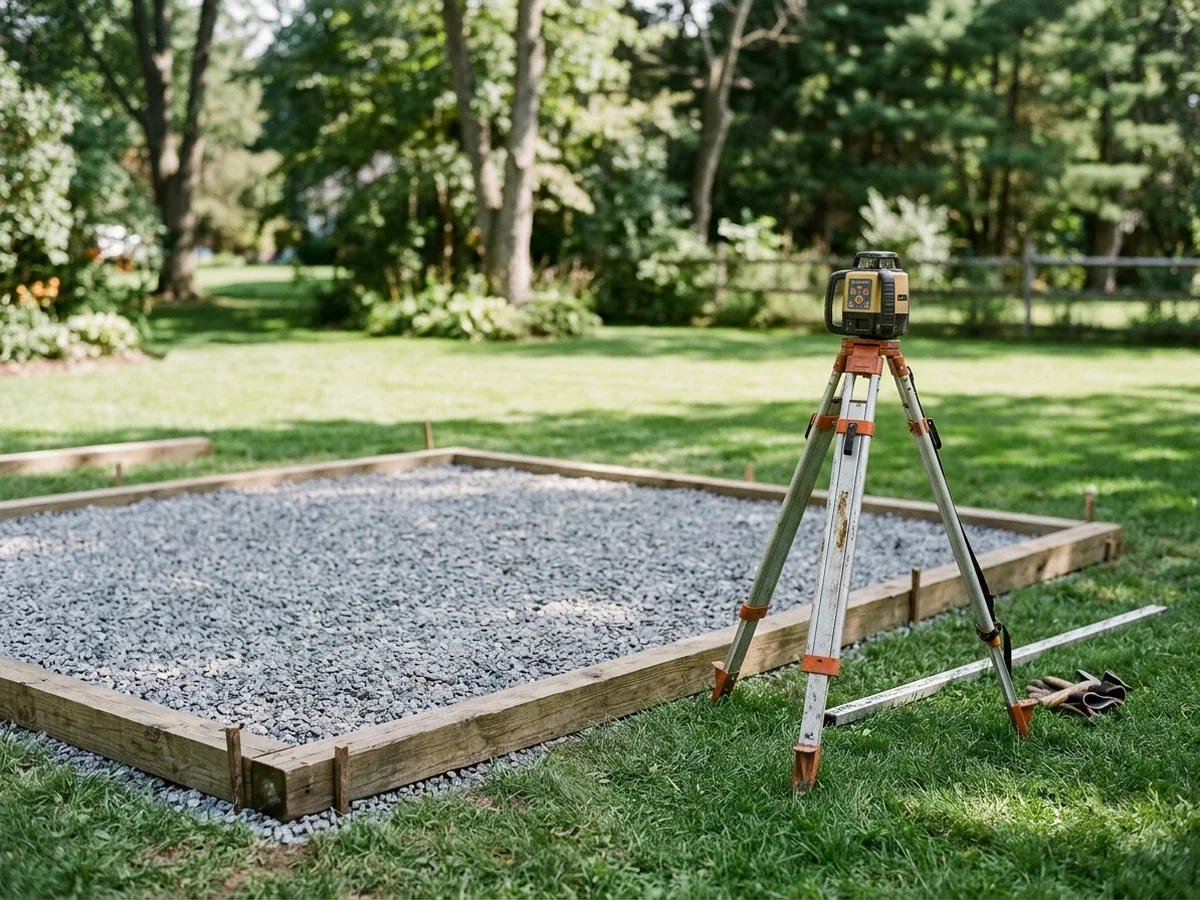
You can prevent structural shifting and long-term maintenance issues by addressing compaction, soil separation, and drainage during your initial site preparation. Failing to account for these factors often leads to uneven surfaces and accelerated degradation of your shed base.
Compacting the soil before laying gravel is essential to prevent future settling. Without proper compaction using a plate compactor or heavy tamper, the ground beneath your aggregate will eventually compress under the weight of the structure. This leads to dips, tilts, and an uneven floor, which can cause doors to stick or the shed frame to twist over time.
Omitting geotextile or landscape fabric is a common oversight that compromises the integrity of the foundation. Common guidance suggests that this layer is necessary to prevent gravel from sinking into the underlying soil and to suppress weed growth. When you skip this barrier, the weight of the shed and the gravel eventually forces the stones into the dirt, causing your base to lose depth and become unstable.
Proper water management is equally critical for the longevity of your foundation. Sloping the ground away from the shed foundation prevents water pooling. If your grading is improper, water will collect around or under the pad, saturating the sub-base and potentially leading to rot in the floor joists. To avoid these issues, ensure your site preparation includes:
- Thoroughly compacting the native soil before adding any base aggregate.
- Installing a high-quality landscape fabric between the soil and the stone.
- Grading the surrounding landscape so that water flows away from the pad on all sides.
When to Hire Professionals
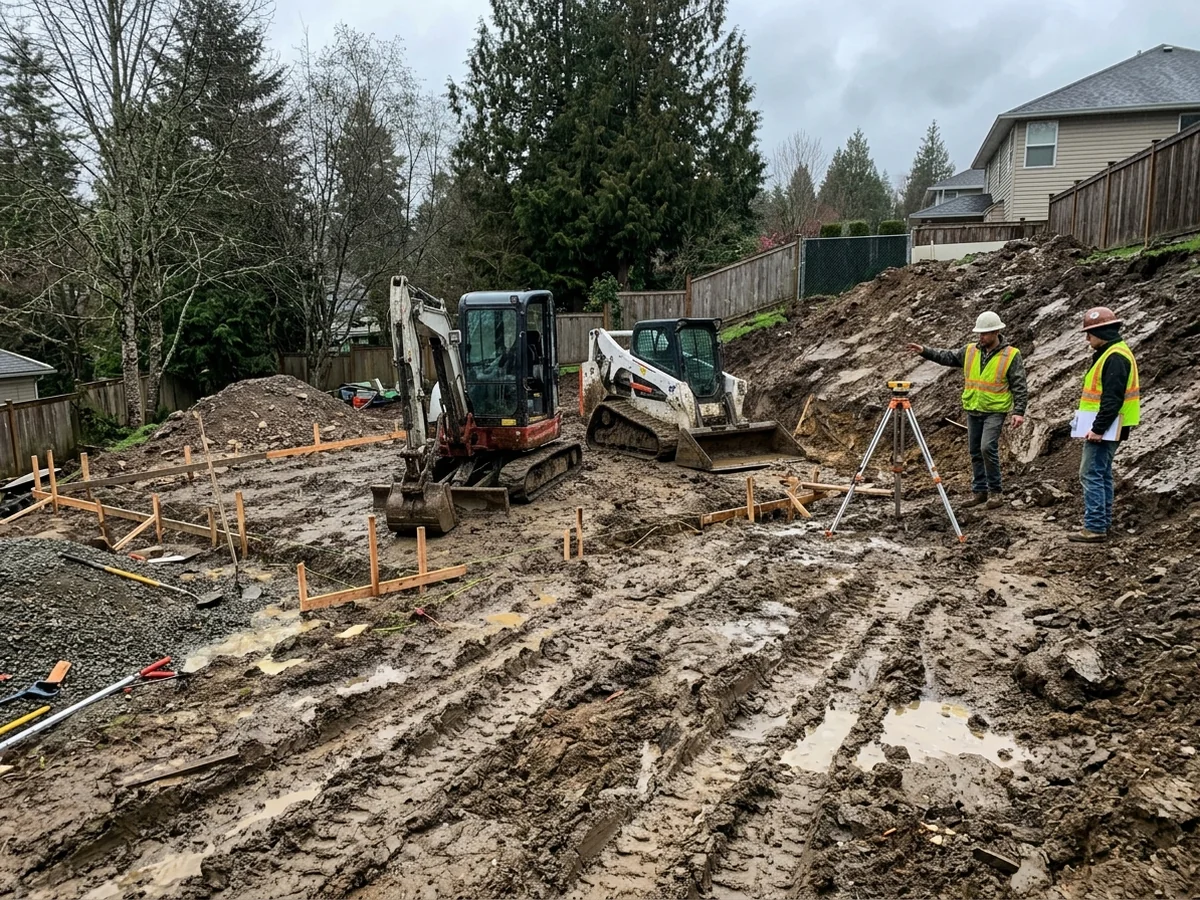
You should consider professional assistance if your site features high clay content, unstable soil, or restrictive local building codes. While many homeowners manage shed foundation projects themselves, specific ground conditions and regulatory requirements often necessitate expert oversight to ensure long-term stability and proper gravel foundation depth for 10×12 shed structures.
Handling Unstable Ground and High Clay Content
High clay or unstable soil presents unique challenges for base aggregate performance. Because clay retains water, it is prone to shifting and heaving during freeze-thaw cycles. Compacting the soil before laying gravel is essential to prevent future settling, as loose earth will inevitably shift beneath the weight of the base aggregate. Professionals can assess whether you need additional drainage solutions, such as perforated piping or a deeper excavation, to keep your shed level over time. They will often recommend a thicker base or specialized geotextile fabric to prevent the stone from migrating into the native subsoil.
Navigating Local Building Codes and Regulations
Local building codes and drainage regulations also frequently dictate site requirements. Many jurisdictions have strict rules about how far a structure must be from property lines or how much of your lot can be covered by non-permeable surfaces. In some cases, a 10×12 shed base might require a specific permit or an engineer to verify that runoff will not impact neighboring properties. Sloping the ground away from the shed foundation prevents water pooling, and municipal inspectors will often check this grading during site evaluations. Consulting with your local building department is the best way to confirm these requirements before you start.
Evaluating Terrain and Perimeter Framing
Determining whether a perimeter frame is necessary often depends on the surrounding landscape and the weight of your structure. A frame made of pressure-treated lumber or landscape timbers helps keep the stone contained and prevents erosion. If you are building on a slope or a high-traffic area, a formal frame is usually required to maintain the integrity of the pad. Professionals can evaluate your specific terrain to decide if a frame is essential or if the gravel can simply be sloped at the edges.
- Engineered soil reports for sites with heavy clay.
- Permit acquisition and plan review for local code compliance.
- Professional excavation for sites requiring significant drainage modifications.
- Structural design for perimeter frames on sloped surfaces.
FAQ
How deep should a gravel base be for a shed?
A minimum of 4 inches of crushed stone is typically standard for most shed foundations to ensure proper load distribution. Compacting the sub-grade soil before laying the aggregate is essential to prevent future settling.
How much gravel for a 10×12 shed base?
A 10×12 shed covers 120 square feet of area. Building a pad of this size at a depth of 4 inches generally requires about 1.5 to 2 cubic yards of stone.
Is gravel a good foundation for a shed?
Gravel foundations provide superior drainage compared to concrete slabs for wooden shed floors. This excellent water management helps keep wooden framing dry and prevents rot over time.
How to build a 10×12 shed foundation?
Start by clearing the site and excavating the topsoil to the desired depth. Lay down landscape fabric to suppress weeds, build a sturdy perimeter frame, and fill the space with a tightly packing crushed stone like 3/4 inch minus.
How big should the foundation pad be compared to the shed?
The foundation pad should extend at least 1 foot beyond the shed perimeter on all sides. This extra margin provides stability and prevents runoff from eroding the immediate edges of the base.
Conclusion
Determining the right base measurements for a small outdoor outbuilding ensures your structure stays level and dry for years. Ordering your crushed stone and preparing the site perimeter represents your final step before building. Measure your site carefully to get started today.
Sources: ltap.engr.wisc.edu, basc.pnnl.gov
You might also like: T-Hinges vs Strap Hinges: What Size Screws Fasten Shed Doors to Studs?