Solar-Powered Shed Roof Attic Fans: Do They Lower Inside Temps in Summer?
Introduction: Do Solar-Powered Shed Roof Attic Fans Actually Cool Summer Spaces?
Property owners frequently install solar powered shed attic fans to combat extreme summer heat in outdoor outbuildings. The core dilemma is whether these solar ventilation systems actually reduce interior temperatures enough to protect stored items and make workspaces comfortable.
Extreme summer weather often turns outdoor structures into ovens, driving homeowners to seek reliable climate control solutions. This evaluation examines how effectively solar powered shed attic fans manage interior heat without adding to electricity bills. Readers will find an objective breakdown of performance realities, design limitations, and practical factors to consider before purchasing.
How Solar Ventilation Systems Operate on Outdoor Outbuildings
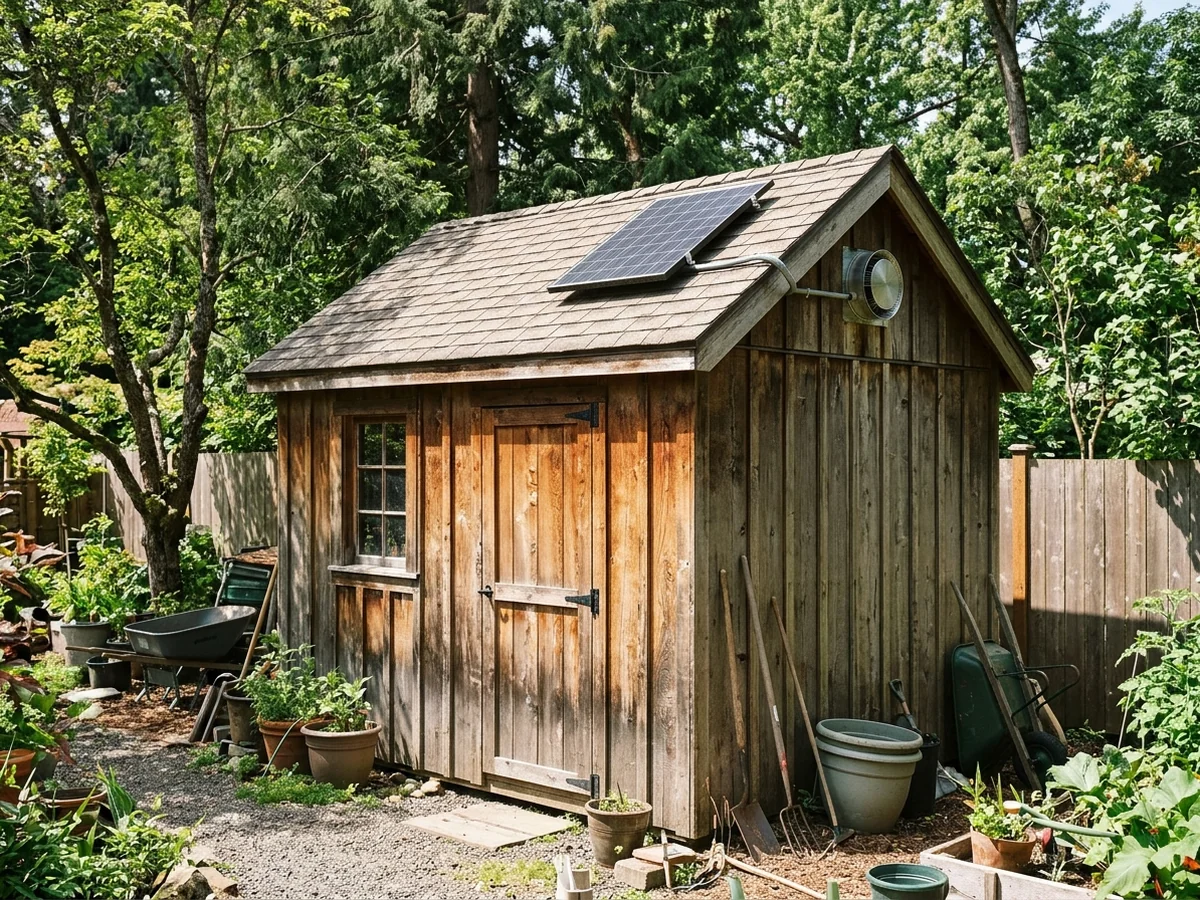
Solar ventilation systems for outdoor buildings operate by harnessing energy from direct sunlight to drive a motor that exhausts hot air from an enclosed space. These setups convert natural light into mechanical movement without relying on traditional household utility lines.
At the heart of the setup lies a photovoltaic solar panel mounted directly on the roof or nearby exterior wall. This panel captures ambient sunlight and converts those rays into direct current electricity. The generated electricity flows immediately to a direct current motor connected to the fan blades.
Sunlight intensity dictates how fast the fan spins and how much air it moves. When the sun shines brightly at midday, the photovoltaic solar panel produces peak electrical output. That surge in power causes the direct current motor to spin at maximum speed, driving high volumes of airflow out of the structure.
Cloud cover or shadows alter this dynamic instantly. As passing clouds block the sun, the electrical output drops accordingly. The motor responds by slowing down, which reduces the rate of exhausted air until direct sunlight returns.
These units function independently of the main home electrical grid because they generate their own power on site. They require no wiring back to a breaker box or electrical outlet. Property owners can install them on remote workshops or detached outbuildings where running standard electrical lines is impractical or expensive.
Understanding the operational mechanics helps homeowners maximize airflow and maintain proper temperature regulation inside detached structures. Because these systems rely entirely on natural sunlight, careful positioning ensures the photovoltaic solar panel receives maximum exposure throughout the day. Shading from nearby trees or tall fences reduces electrical generation, which directly lowers the cubic feet per minute of air exhausted from the interior. Property owners often pair these fans with a thermostat control to automate operation, ensuring the motor only runs when interior temperatures reach a specific threshold.
Proper airflow balance is another critical factor for effective ventilation. An exhaust fan pushes hot air outward, but it requires sufficient replacement air entering through an intake vent to prevent negative pressure. Without adequate intake openings, the motor works harder and moves less air, reducing overall efficiency. Common mistakes during installation include placing exhaust units too far from primary heat sources or failing to seal roof penetrations properly against moisture leaks. By taking time to align the system capacity with the total interior volume of the outbuilding, property owners can achieve reliable cooling and protect stored items from extreme seasonal heat.
Evaluating Temperature Reduction and Are Solar Attic Fans Worth It
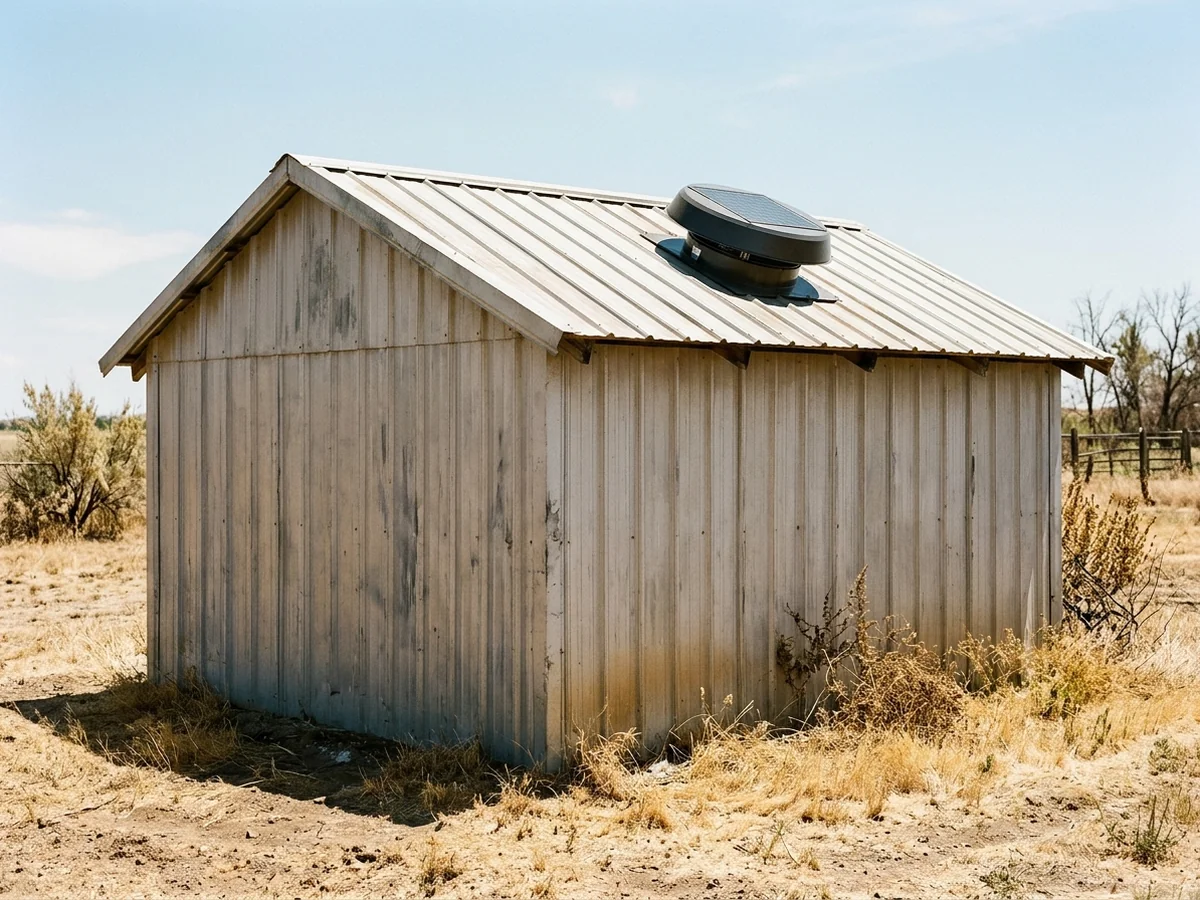
Solar ventilation systems for outdoor buildings generally provide modest relief during peak summer heat, meaning whether these cooling devices deliver real value depends entirely on your specific cooling expectations. These units do not turn an unconditioned outbuilding into an air-conditioned room, but they can successfully reduce the extreme buildup of superheated air trapped just beneath the roof deck. When evaluating solar powered shed attic fans, understanding the underlying thermal mechanics helps clarify what these systems can realistically achieve for workshops, hobby spaces, or storage areas.
Outbuildings typically feature an asphalt shingle roof structure that absorbs massive amounts of solar radiation throughout the day. This trapped thermal energy turns the upper gable space into an oven, which then radiates heat downward into the rest of the structure. Without mechanical intervention, that thermal mass lingers long after sunset, keeping the interior uncomfortably warm for anyone working or storing items inside.
Thermal Mechanics and Airflow Balance
Continuous airflow helps mitigate this issue by actively exhausting the pocket of hot air before it fully saturates the interior space. A roof-mounted photovoltaic solar panel powers the fan whenever sunlight hits the surface, driving a steady exchange of air. Cooler outside air enters through an intake vent while the fan forces the hottest air out of the building.
Realizing noticeable temperature changes requires balancing the airflow capacity with the total volume of the outbuilding. If the fan moves enough cubic feet per minute relative to the room size, it prevents stagnant heat from baking the interior. Units equipped with a thermostat control offer added efficiency by running only when temperatures reach a certain threshold, ensuring the motor operates solely when active heat exhaustion is necessary.
Moisture Control and Humidity Management
Beyond lowering ambient temperatures during the summer, outdoor solar cooling setups assist with year-round humidity control. Trapped moisture inside an unconditioned shed can lead to mold growth, rust on tools, and warping of stored wood or paper goods. By maintaining a steady cycle of air exchange, these systems prevent dampness from accumulating during cooler months or rainy seasons, protecting the structural integrity of the outbuilding.
Practical Setup and Common Oversights
To maximize the effectiveness of solar powered shed attic fans, property owners should follow a few practical steps during setup:
- Calculate the total interior volume of the structure to determine the required airflow capacity in cubic feet per minute.
- Ensure intake vent placement allows fresh air to sweep across the entire room before reaching the exhaust point.
- Position the solar panel to capture maximum direct sunlight throughout the peak hours of the day without obstruction from trees or roof overhangs.
A common mistake when installing a solar exhaust fan for shed with thermostat setups is failing to provide adequate intake ventilation. If the exhaust fan pulls air faster than replacement air can enter, it creates negative pressure and reduces overall efficiency. Properly balancing intake openings with exhaust capacity ensures a smooth, continuous cycle of air replacement.
Matching Airflow Capacity to Shed Size Using CFM Ratings
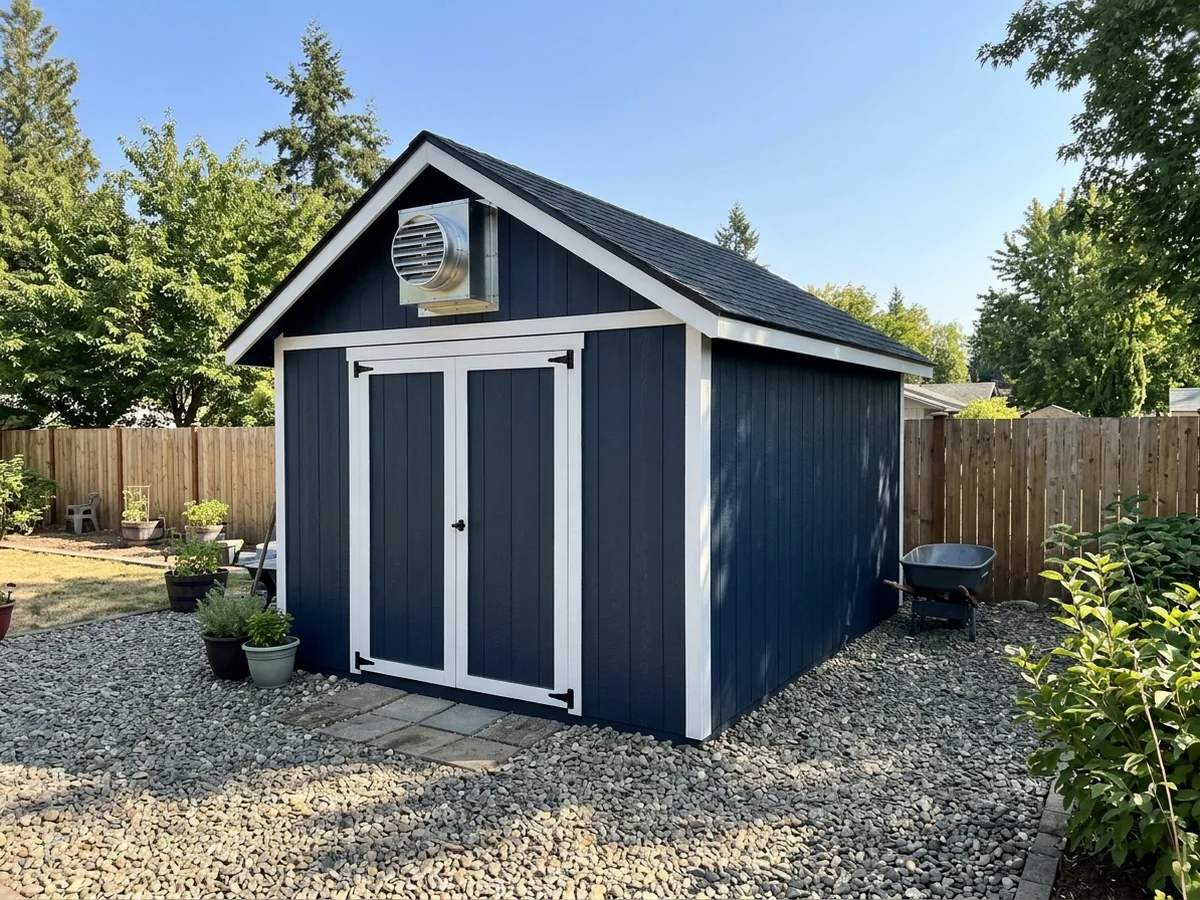
Airflow capacity, measured in cubic feet per minute, determines how effectively a ventilation system exchanges indoor air for fresh outside air. Higher ratings move more air volume every minute, which directly impacts how well heat escapes an enclosed space. When evaluating solar powered shed attic fans, property owners must understand that airflow needs depend entirely on the dimensions of the structure. Without proper sizing, even high performing units will fail to cool the room adequately during peak daylight hours. Managing this balance is essential for maintaining comfortable temperatures in outbuildings, particularly when homeowners look for the best solar powered shed attic fans to handle intense summer heat.
Calculating Total Cubic Footage
Calculating the correct interior volume involves multiplying the length, width, and height of the outbuilding. Once you have the total cubic footage, you can determine how many air exchanges are required per hour to keep temperatures stable. Smaller garden sheds need minimal airflow to cycle the air effectively, while larger workshops or hobby spaces require robust ventilation systems. If a structure is exceptionally large, relying on a single exhaust unit often proves insufficient for managing trapped heat. Property owners must also consider humidity control during peak summer months, as stagnant moisture and trapped heat can damage stored tools, wooden furniture, and seasonal gear.
Balancing Exhaust Capacity with Intake Vents
The primary reason to match cubic footage to airflow output is to prevent underpowered setups. An inadequate system leaves hot air lingering near the roofline, failing to create the continuous cooling cycle needed during hot summer afternoons. Conversely, understanding your space helps you choose the right equipment without wasting money on excessive power that the structure cannot utilize. Property owners should avoid common sizing mistakes, such as guessing room dimensions or ignoring vertical height when calculating total volume. Another frequent error is forgetting to balance exhaust capacity with adequate intake vents. Without enough fresh air entering the structure, the fan cannot pull replacement air efficiently, which starves the system of the airflow it needs to function correctly.
Practical Steps for Sizing Your Outbuilding
Always verify the exact measurements of your outdoor building before purchasing any cooling hardware. Taking the time to calculate cubic footage ensures your investment delivers comfortable temperatures, prevents premature hardware wear, and keeps your workshop usable all season long. When selecting a photovoltaic solar panel setup for an asphalt shingle roof, verify that the placement captures maximum sunlight throughout the day. Integrating a thermostat control can further optimize performance by allowing the system to run only when temperatures exceed comfortable thresholds, reducing unnecessary wear on the motor while protecting your outdoor workspace from excessive thermal buildup.
Managing Summer Humidity and Moisture Control in Outdoor Structures
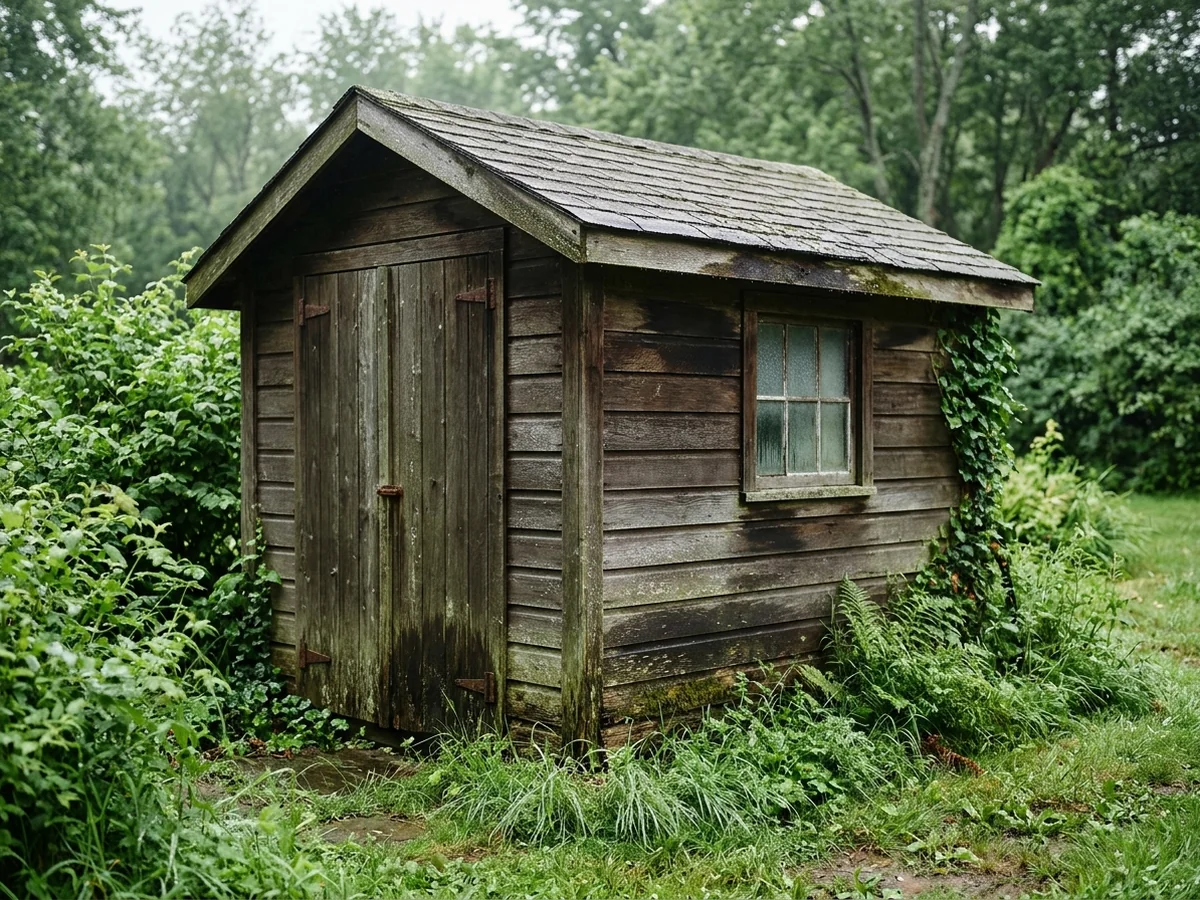
Solar powered shed attic fans help control peak summer humidity by actively expelling trapped vapor before it can condense on interior surfaces. Outdoor structures often trap moisture from the surrounding soil and air, creating a humid microclimate beneath the roof deck. Without adequate air movement, this trapped vapor creates severe challenges for anyone storing tools, equipment, or seasonal gear in an outdoor building.
Trapped moisture poses a significant threat to the longevity of your outdoor building. Without proper ventilation, excess humidity damages stored items, rusts metal tools, and rots wooden framing components over time. It can also cause mold and mildew to spread across cardboard boxes, fabric items, and wooden surfaces. Understanding the underlying causes of this moisture helps property owners protect their investments effectively.
Continuous air movement is essential because it prevents condensation buildup during rapid temperature swings. When outdoor temperatures drop quickly in the evening, stagnant humid air inside a warm shed reaches its dew point rapidly. Moving air equalizes the interior and exterior humidity levels, which stops moisture from settling onto cold surfaces.
Property owners can optimize their solar ventilation systems by following practical management steps:
- Running exhaust systems during peak daylight hours targets peak humidity alongside high heat.
- Pairing exhaust units with clean intake vents ensures a steady flow of fresh air through the entire structure.
- Balancing air movement requirements against the specific cubic feet per minute capacity of the fan prevents stagnant zones.
- Keeping wooden framing dry prevents premature wood rot and structural weakening.
- Protecting metal tools from rust preserves their operational lifespan throughout the year.
A common mistake during installation is failing to provide adequate intake ventilation to match the exhaust capacity. When an exhaust unit pulls air out without enough replacement air entering the structure, the system creates negative pressure and fails to clear out damp microclimates efficiently. Ensuring that intake openings match or exceed the exhaust output allows the photovoltaic solar panel to power an effective, balanced airflow throughout the entire shed.
Balancing Intake Vents with Exhaust Fan Capacity
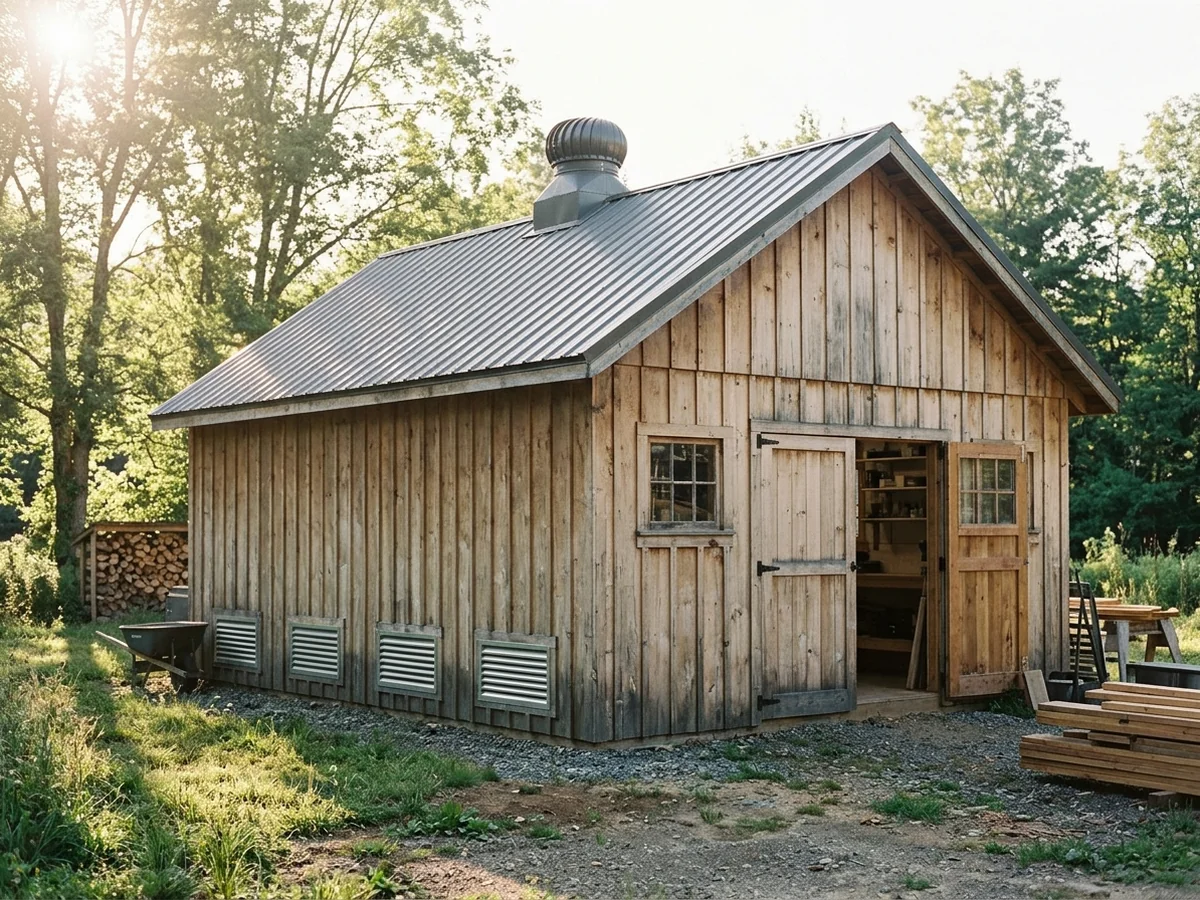
Matching your fresh air supply with the output of a solar exhaust fan for shed with thermostat usage is essential for proper airflow. An exhaust fan fails to perform without adequate fresh air supply points because it creates a partial vacuum that restricts airflow and strains the motor. When the unit lacks enough replacement air, it simply starves and struggles to pull heat and moisture out of the structure during hot summer months. Property owners utilizing natural cooling setups for outdoor sheds must account for this balance to protect their equipment and ensure effective cooling.
Calculating Air Volume and Vent Requirements
Practical steps for balancing your ventilation include evaluating the cubic feet per minute output of your device against the total open area of your vents. Most solar ventilation setups require a specific amount of net free ventilation area for every unit of air volume moved by the hardware. Checking manufacturer specifications helps ensure you cut enough openings into the structure to let the system breathe freely. If the exhaust hardware moves a high volume of air, small or restricted intake points will force the motor to work harder, which reduces the overall lifespan of the device.
Strategic Placement of Intake Openings
Creating a complete draft depends on placing lower wall or soffit vents strategically around the building. Installing an intake vent near the bottom of an opposite wall allows cool replacement air to sweep across the entire interior space before exiting through the roof mounted cooling unit. Without this low level entry point, the device will pull conditioned air from tiny gaps around doors or windows instead of establishing a steady directional current. Spacing your ventilation points across opposite sides of the structure ensures thorough air exchange and prevents stagnant pockets of trapped heat.
Avoiding Common Setup Mistakes
A common mistake during setup is installing too few intake openings or placing them too close to the exhaust unit. When intake vents sit directly underneath the roof mounted fan, air short circuits, meaning the unit draws in fresh air immediately without circulating through the rest of the workspace. Property owners should also avoid relying on random building cracks for replacement air. Uncontrolled gaps fail to provide consistent airflow and can introduce dust or pests into the interior. Taking time to calculate correct vent dimensions and positioning them thoughtfully maximizes the efficiency of your rooftop cooling hardware.
Automating Airflow with Thermostat Control and Shopping Tips
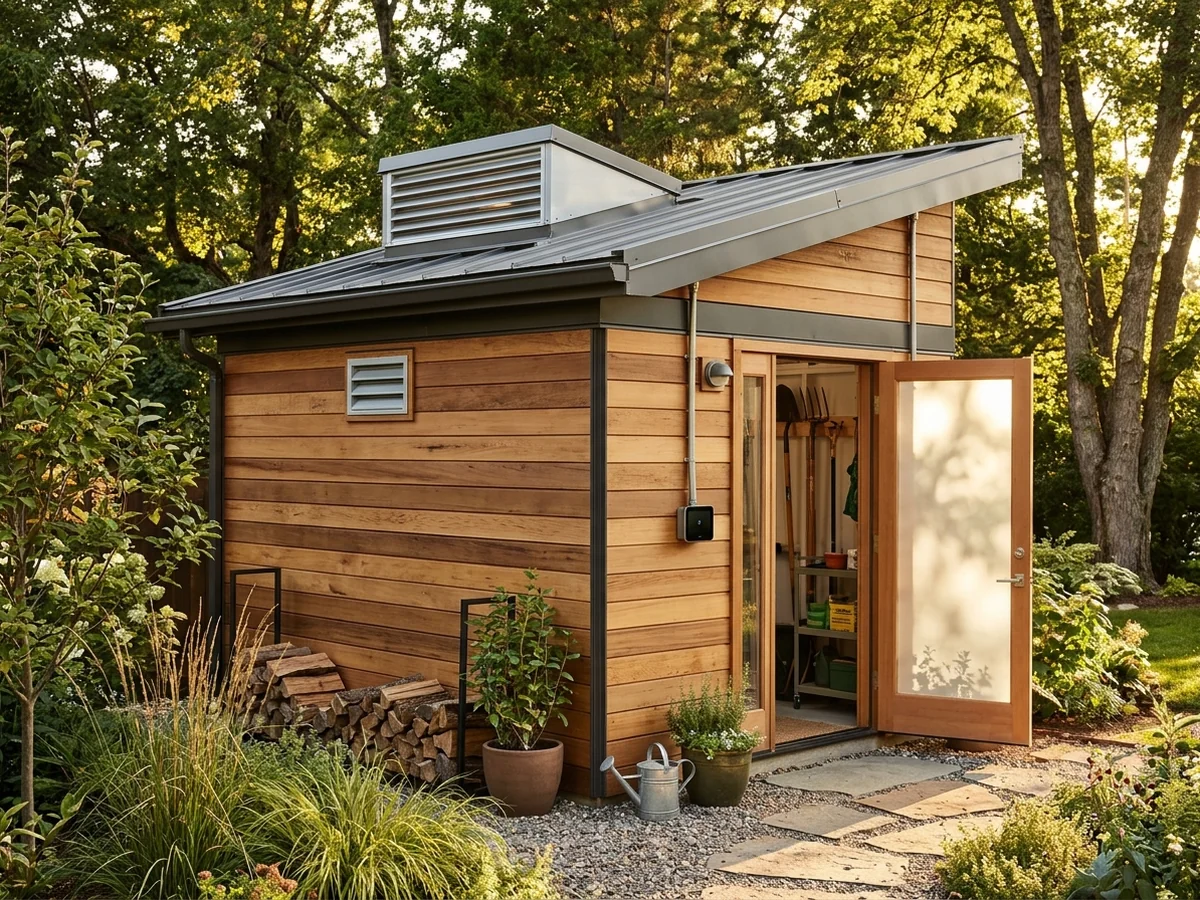
Integrating a solar exhaust fan for shed with thermostat functionality ensures that the ventilation system operates only when specific temperature conditions require it. Rather than running continuously throughout the day, an automatic thermal trigger detects rising internal heat and activates the motor. Once the space cools down to a safer level, the system powers off on its own. This automated cycle preserves overall motor lifespan by preventing unnecessary wear during milder weather or cloudy periods. Managing run times efficiently reduces mechanical stress on the moving parts, helping the equipment last longer without requiring premature maintenance or replacement.
Evaluating Build Quality and Power Output
Homeowners exploring mainstream options often review a solar powered exhaust fan for amazon listings alongside products from specialized hardware suppliers. Evaluating these choices requires careful attention to build quality, warranty terms, and matching the photovoltaic solar panel output to the physical dimensions of the outdoor building. Ensuring the hardware fits the space prevents airflow imbalances. Federal agencies offer helpful educational benchmarks for evaluating home energy efficiency and ventilation setups. Guidance from the Department of Energy and the National Renewable Energy Laboratory provides a solid foundation for understanding how renewable power integration supports overall climate management in residential properties and outbuildings.
Practical Steps for Selecting Solar Ventilation Systems
When selecting the best cooling options or general equipment for cooling outdoor structures, practical steps help streamline the purchasing process:
- Examine user feedback to gauge real world durability and weather resistance.
- Verify that the included photovoltaic solar panel matches the motor voltage for optimal performance.
- Confirm whether thermostat control comes pre-installed or requires separate wiring during setup.
A common mistake during the shopping process is overlooking the importance of matching the cubic feet per minute rating to the total volume of the shed. Failing to verify these specifications can lead to purchasing an undersized unit that struggles to manage trapped heat effectively across changing seasonal conditions. Property owners must calculate the interior volume carefully before making a final selection to ensure adequate air exchange rates.
Addressing Balance and Intake Requirements
Proper ventilation relies heavily on balancing mechanical exhaust with adequate intake capacity. Without enough passive intake vents, a powerful exhaust motor creates negative pressure, making it difficult to pull fresh air through the structure efficiently. Ensuring that intake openings match the output capacity of the fan maximizes overall performance and protects the building materials from excessive moisture buildup during humid months.
Frequently Asked Questions About Solar Shed Ventilation
Do solar-powered attic fans really work for reducing heat?
These systems do help exhaust trapped hot air from an enclosed space when the sun is shining directly on the photovoltaic solar panel. Air circulation prevents heat from building up constantly under the roof deck, though results vary based on climate and placement.
Is there a specific model designed for outbuildings?
Manufacturers produce dedicated solar ventilation systems for outdoor buildings built to mount easily on smaller gable walls or roof slopes. Units often feature adjustable thermostat control and sizing options meant for compact structures rather than full-sized houses.
What are the primary disadvantages of solar attic systems?
The biggest limitation is that these units only run when sunlight hits the panel, meaning they shut off right as the sun sets even if the building is still holding heat. They also require proper intake vent placement to draw fresh air, and initial equipment costs can be higher than simple passive vents.
Why did older hardwired attic fans fall out of favor?
Older ventilation styles often created negative pressure that inadvertently pulled conditioned air or combustion gases from living areas into the attic space. High electricity use and the need for professional wiring also caused many homeowners to abandon traditional electric fans.
Do these fans require any special maintenance?
Routine checks involve keeping the solar panel free of dust, leaves, and debris to maintain optimal energy absorption. Homeowners should also inspect the fan blades and intake vents periodically to ensure pests or blockages do not impede airflow.
Conclusion: Maximizing Summer Comfort in Your Shed
Installing ventilation systems that run on sunlight can successfully expel trapped heat and improve airflow, though actual temperature drops depend heavily on proper unit sizing, balanced intake venting, and your local climate. Property owners should carefully evaluate their specific outbuilding dimensions and local weather patterns before investing in a solar cooling setup. Taking time to plan airflow requirements ensures these units operate efficiently when summer temperatures peak.
You might also like: T-Hinges vs Strap Hinges: What Size Screws Fasten Shed Doors to Studs?