
10 small balcony ideas you need for a cozy day and night space
Introduction
Transforming a compact outdoor area into a functional retreat requires clever small balcony ideas that maximize every square inch. These small balcony ideas help you bridge the gap between limited physical space and your desire for a relaxing, stylish extension of your home.
Designing in a tight footprint comes with unique challenges, including strict balcony weight capacity limits and potential Homeowners Association (HOA) regulations regarding paint colors or decor types. You must also balance aesthetic goals with practical constraints like weather exposure and storage needs. This article provides a comprehensive guide to optimizing your outdoor space, covering everything from selecting the right furniture to implementing smart storage solutions. By blending creative design with essential safety considerations, you will learn how to build a cozy day and night environment that works within your building rules.
Layouts for Tiny Balconies
Designing a functional outdoor area starts with precise measurements and understanding the physical limits of your structure. Use a tape measure to determine the total floor area, paying close attention to narrow widths that might restrict foot traffic or furniture placement. Before purchasing items for your apartment balcony decor, confirm your building’s balcony weight capacity with property management, as some structures cannot support heavy planters or large furniture sets.
You must also verify local Homeowners Association (HOA) regulations or lease agreements, which frequently dictate what items are allowed on your balcony. These rules often impact balcony privacy ideas, such as height limits for screens or specific color palettes for outdoor textiles. Always cross-reference your design plans with these guidelines to avoid potential fines or required removal of your setup.
Follow this assessment checklist before you begin your project:
- Measure the full length and width of the floor space to identify exactly where furniture can fit without blocking doors.
- Consult your building manager or lease documentation to confirm the specific weight capacity limit for your unit.
- Review your HOA regulations to identify prohibited items, including permanent structures or specific types of lighting.
- Check the location of power outlets and water sources to determine where you can safely place electric string lights or irrigation for balcony garden ideas.
- Observe the path of the sun and prevailing wind patterns throughout the day to choose the best zones for seating versus plant placement.
- Test the floor surface for any slope or drainage issues that might require leveling solutions or moisture-resistant outdoor rugs.
Weatherproof Small Balcony Decor
Selecting durable materials is the most critical step for functional small balcony ideas that withstand the elements. Teak wood, weather-resistant wicker, and metal each offer distinct advantages depending on your regional climate and local environment.
| Material | Primary Strength | Maintenance Requirement |
|---|---|---|
| Teak Wood | High natural oil content | Annual oiling for color |
| Wicker | Lightweight and flexible | Deep clean with mild soap |
| Metal | Sturdy and durable | Check for rust spots |
Teak wood is prized for its natural oils, which provide resilience against rot and insects in humid regions. If you prefer to maintain its warm, golden hue, apply a teak sealer annually. Without this treatment, the wood will naturally weather to a silvery gray patina over time.
Weather-resistant wicker is an excellent choice for compact spaces because it is lightweight and easy to rearrange. Ensure the material is high-density polyethylene, as natural wicker is prone to cracking in harsh sun or moisture. Keep these small outdoor furniture sets clean by wiping them down with a damp cloth and mild soap to prevent dust buildup in the weave.
Metal options, such as powder-coated aluminum or wrought iron, offer lasting stability in windy areas where lighter furniture might tip over. Aluminum is particularly favored in coastal zones because it resists rust better than iron. Regularly inspect your pieces for scratches in the finish, as these can lead to corrosion if left untreated. Before finalizing your decor, remember that common guidance suggests checking your Homeowners Association regulations to ensure your choices comply with building standards and safety weight limits.
3. Maximizing Space with Multi‑Functional Furniture
You can transform a tight outdoor area by choosing pieces that serve dual purposes or tuck away when not in use. Prioritizing vertical storage and collapsible designs ensures your floor remains clear for movement.
Compact bistro sets are essential for creating a dining nook without overwhelming the square footage. Look for tables that fold flat against the wall or chairs that stack neatly. These small outdoor furniture sets allow you to reclaim your floor space instantly after a morning coffee or an evening meal.
Storage-in-seat solutions turn standard benches into hidden compartments for gardening tools or cushions. By utilizing the hollow space underneath a bench, you keep essential items protected from the elements while maintaining a tidy aesthetic. This approach minimizes clutter and keeps your layout feeling open and intentional.
For a custom project, consider building a fold-out bench with integrated shelves beneath the seat. This piece functions as a sturdy perch during the day and can be collapsed to save space when you need the area for other activities. The interior shelving provides a designated spot for books, pots, or decor, effectively doubling as a storage unit.
Before installing any heavy or fixed furniture, always check your lease or building guidelines. Common guidance suggests that a Homeowners Association (HOA) frequently imposes specific restrictions on the types of outdoor decor allowed on balconies. Always verify your balcony weight capacity with property management to ensure your furniture choices remain safe and compliant with local building standards.
4. Creating a Cozy Nighttime Ambiance with Lighting
You can transform a compact outdoor area into an inviting retreat by layering various light sources to provide both depth and warmth. Strategic placement ensures your modern balcony design feels welcoming after sunset while keeping pathways clear.
- Drape classic string lights along the perimeter of your railing to frame the space without encroaching on your floor area.
- Place solar lanterns on tables or hang them from hooks to add localized pockets of soft, glowing illumination.
- Install adhesive LED strips under the edge of your seating or along the base of planters for a subtle, contemporary glow that highlights textures.
- Use lanterns of varying heights on the floor to create visual interest while keeping the light source safely tucked away from foot traffic.
- Opt for warm-toned bulbs to mimic the gentle flicker of candlelight and enhance the overall comfort of your evening setup.
Always verify your local or building-specific Homeowners Association regulations before installing permanent fixtures, as they often have rules regarding what you can attach to railings or walls. When using electrical lighting, ensure all products are rated specifically for outdoor use to withstand moisture and changing weather conditions. Keep cords neatly secured or hidden to prevent tripping hazards, and avoid overloading outlets by using power strips designed for exterior environments. If you are renting your unit, prioritize temporary, non-permanent solutions that allow you to achieve a beautiful effect without modifying the existing structure.
5. Vertical Gardening: Height Doesn’t Matter
You can maximize your limited square footage by installing vertical planters that align with your railing height. This approach keeps your floor clear for other items, such as small outdoor furniture sets, while adding lush greenery to your perimeter.
When selecting your plants, opt for varieties that thrive in containers and attract local pollinators. Low-maintenance species like lavender, marigolds, or sedum are excellent choices because they are hardy and require minimal pruning. These selections help turn your space into a vibrant, living ecosystem without demanding constant upkeep.
Safety is the most important aspect of these balcony garden ideas. Before you install any heavy containers, check your building’s guidelines regarding balcony weight capacity. Most residential complexes and Homeowners Association (HOA) regulations specify what you can attach to railings to prevent damage or safety hazards.
Always secure your planters using heavy-duty, weather-resistant brackets or zip ties designed for outdoor use. Never rely on gravity alone to hold your pots in place. For added stability, follow these steps:
- Use adjustable railing hooks that clamp firmly onto the top bar.
- Place heavier pots on the floor and lighter, trailing plants in the hanging planters to maintain a low center of gravity.
- Inspect your mounting hardware every season for signs of rust or loosening, especially after high winds.
By keeping your garden vertical, you maintain an open, airy feel while enjoying a lush, private retreat. This strategy allows you to enjoy nature right outside your door, even when floor space is at a premium.
6. Setting Up a Mini Study or Work Zone

You can transform a compact outdoor area into a productive workspace by utilizing wall-mounted desks or slim, console-style tables that fold away when not in use. These small balcony ideas focus on verticality and adaptability, ensuring your desk does not dominate the entire footprint of your space.
Lightweight, portable desks are ideal for apartment balcony decor because they allow you to follow the shade or sunlight throughout the day. Look for materials that resist moisture, such as powder-coated metal or treated teak, to ensure your furniture remains durable. Folding tray tables or lightweight bamboo stands offer a flexible surface that can be stored indoors during inclement weather.
When planning your layout, consider your proximity to interior power outlets to keep your electronics charged without creating tripping hazards. If you must run a power cord through a doorway, use flat extension cables designed specifically for thresholds to prevent damage to the cord and ensure the door seals properly. Always prioritize safety by checking your building’s balcony weight capacity, as heavy electronics and ergonomic office chairs can add significant load to the structure.
- Mount a drop-leaf desk to the wall to save floor space.
- Use a lightweight, portable standing desk converter that can be easily tucked away.
- Ensure all electrical equipment is rated for outdoor use if you plan to keep items outside.
- Review your local Homeowners Association regulations to confirm if permanent wall-mounted fixtures are permitted on your building facade.
7. DIY Balcony Storage Solutions
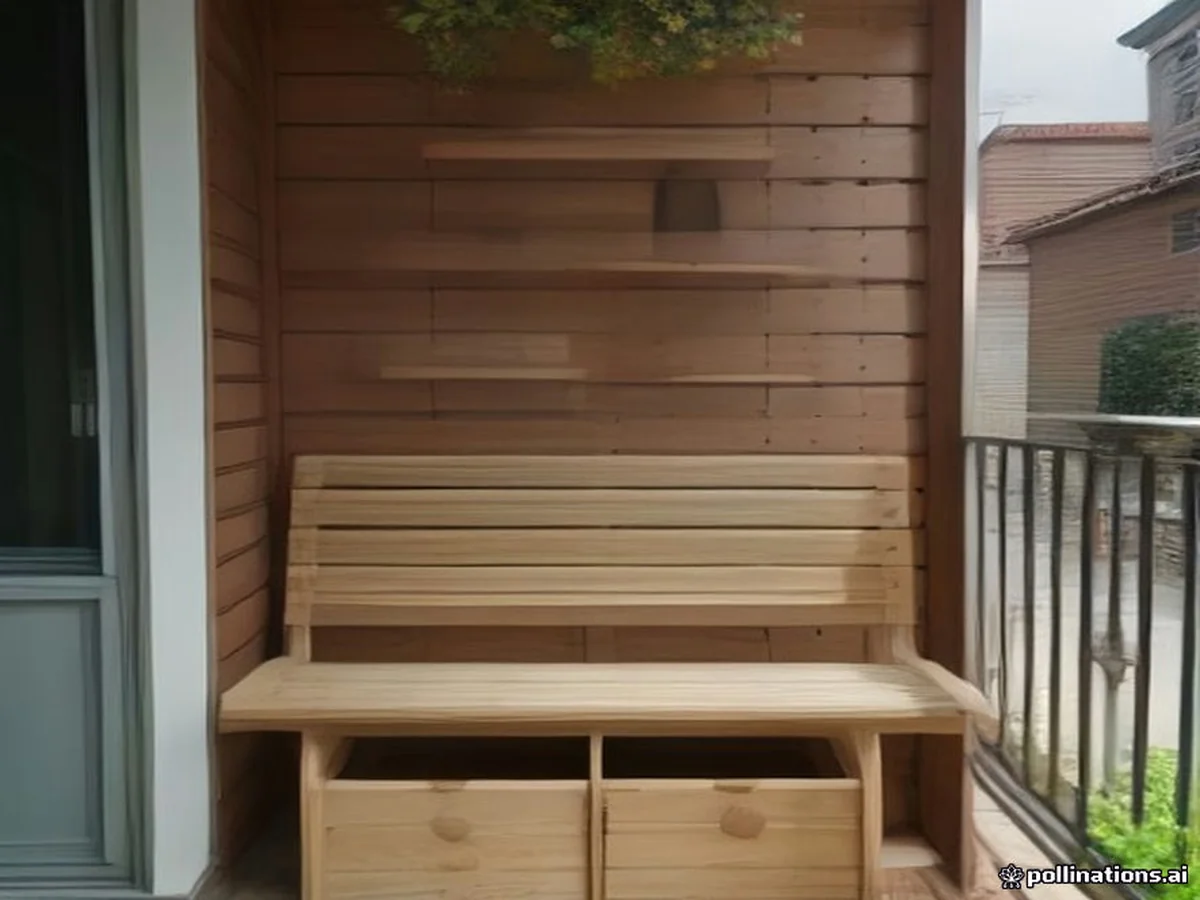
Maximizing limited outdoor square footage requires smart compact organizing choices that keep clutter out of sight, especially when you are exploring small balcony ideas for compact urban apartments. When floor space is tight, traditional furniture often takes up too much room, making custom or multi-purpose builds essential for maintaining a clean aesthetic. The main goal is to use vertical surfaces and hidden compartments so your outdoor zone stays functional and visually open.
Building your own storage starts with proper planning and material selection. Before constructing any bench or shelf, measure your available clearance carefully to ensure doors and windows still open smoothly. Selecting weather-resistant materials prevents warping, and homeowners associations frequently impose specific restrictions on the types of outdoor decor and storage structures allowed on balconies, so checking your community guidelines first is always wise. Here are practical ways to organize your layout:
- Hanging baskets make use of vertical air space while keeping your favorite gardening tools and accessories within easy reach.
- Under-seat cabinets provide hidden storage for cushions and blankets while doubling as comfortable seating for guests.
- Wall hooks fastened securely to exterior walls hold lanterns, watering cans, and folding chairs safely off the floor.
- Thrifting second-hand bistro sets saves money while giving you a charming, weathered base for custom paint or cushion updates.
- Step-by-step assembly relies on measuring your available clearance first, pre-drilling pilot holes in weather-resistant wood, and using galvanized hardware to prevent rust.
A common mistake during installation is failing to account for moisture buildup inside closed cabinets. Always drill small ventilation holes in the back or bottom of custom wooden storage boxes to allow air circulation and protect your items from mold. By combining thoughtful measurements with durable weather-treated hardware, your handmade organizers will provide reliable function for seasons to come.
8. Privacy on a Small Balcony
Achieving seclusion in a compact outdoor area involves selecting treatments that block sightlines without triggering property violations. You can easily shield your retreat using frosted film, privacy screens, and climbing vines that obscure views while maintaining a fresh look. These balcony privacy ideas help transform an exposed ledge into a secluded urban escape.
Homeowners associations frequently impose specific restrictions on the types of outdoor decor allowed on balconies. It is wise to review your association guidelines before making permanent changes, as many governing bodies forbid drilling into exterior walls or altering railings. Ignoring these rules can lead to fines or forced removal of your decor, so checking the bylaws first is a crucial practical step.
Low-impact solutions like removable curtains offer a renter-friendly way to control visibility. These hanging fabrics slide onto tension rods or secure with hooks that leave no lasting marks, allowing you to pull them back whenever you want more light. A common mistake is using heavy hardware that damages the building facade, which easily violates standard leasing agreements or association policies.
To implement these privacy methods correctly, start by measuring your sightlines while sitting down, since that is your typical posture in small outdoor spaces. Next, choose lightweight materials that will not overload structural limits or catch heavy winds. Finally, test any tension-mounted room dividers or screens during a breezy day to ensure they remain stable without requiring permanent fasteners.
Space-Saving Balcony Safety Ideas
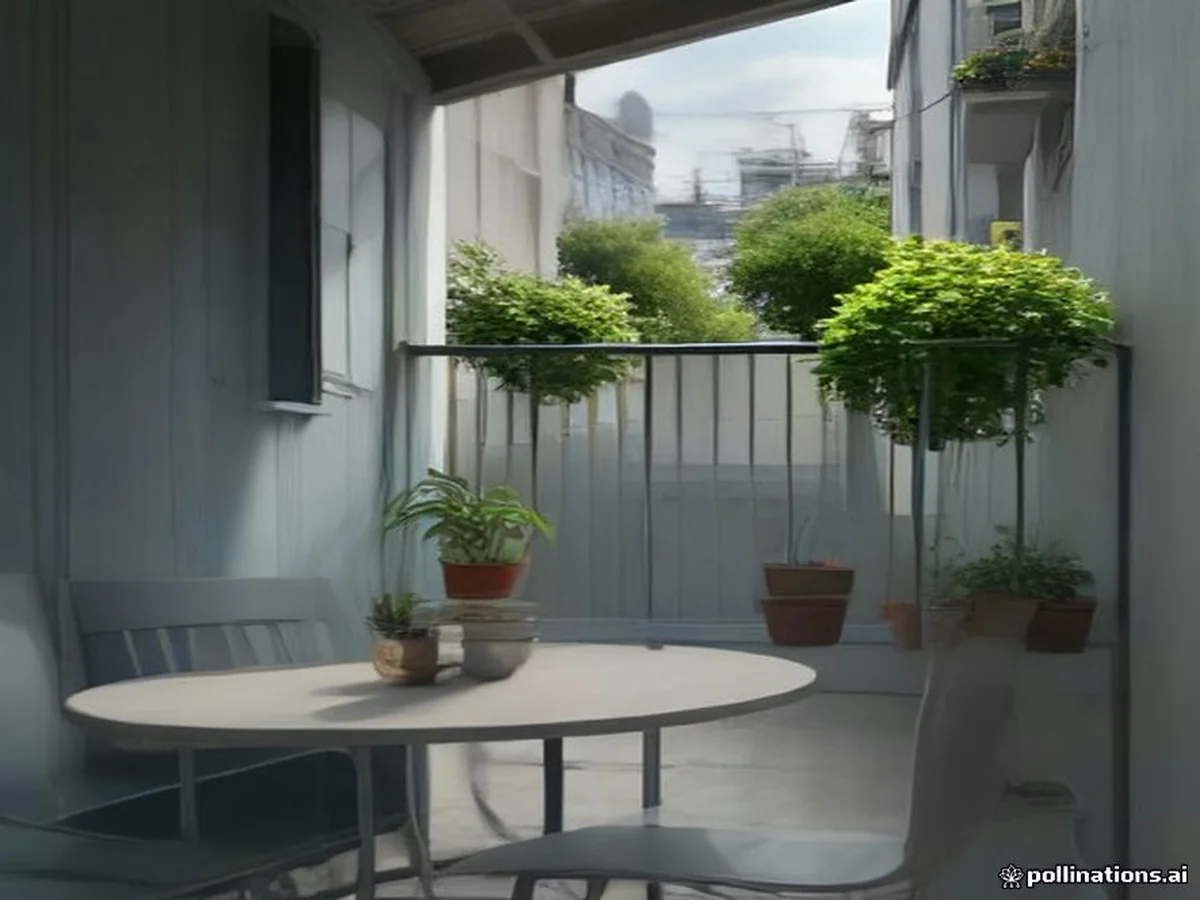
Ensure structural safety by locating the balcony weight capacity in your building plans or architectural documents before adding any heavy items. Homeowners associations frequently impose specific restrictions on the types of outdoor decor and furniture allowed, so check your local guidelines first. Safe load distribution relies on keeping heavier furniture items near structural walls rather than stacking everything at the outer railing. When planning small balcony ideas, you must balance aesthetic goals with strict load limits to protect your building.
- Review original structural architectural blueprints or contact your property management office to confirm the exact load limits.
- Distribute heavy planters and seating evenly across the floor slab instead of clustering items in one corner.
- Keep heavy furniture pressed against interior structural walls rather than placing large loads near the outer edge.
- Choose lightweight bistro sets and modular pieces that keep overall structural weight well below maximum thresholds.
- Inspect railings and floor brackets regularly for any signs of wear, rust, or loose connections.
- Review local building codes and community guidelines regarding allowable structural loads and hanging items.
10. Budget-Friendly Decoration Hacks
Decorating a compact exterior zone without spending a fortune involves repurposing household goods, hunting for secondhand finds, and crafting custom accents. You can easily elevate apartment balcony decor by looking inward before buying new items, transforming everyday objects into functional pieces for your small outdoor living areas.
| Decoration Approach | Source Type | Customization Level |
|---|---|---|
| Indoor Repurposing | Existing Home Items | Moderate |
| Thrifted Decor | Secondhand Markets | High |
| DIY Crafts | Raw Materials | Total |
Bring old indoor cushions, wooden crates, and glass jars outside to serve new functions with zero extra cost. Crafting handmade plant hangers or painted accents gives your compact retreat a personal touch. Swapping out textiles like throw pillow covers and light blankets depending on the weather keeps the look fresh throughout the year without requiring a complete redesign.
When implementing these budget-friendly updates, several practical steps ensure a smooth process. Start by taking inventory of unused items stored in closets, garages, or living rooms that can withstand semi-outdoor conditions. Clean and prep these items before placing them outside. For secondhand finds like bistro sets or metal plant stands, a simple coat of weather-resistant spray paint can completely revitalize worn surfaces.
A common mistake is ignoring local regulations or lease terms regarding exterior modifications. Homeowners associations frequently impose specific restrictions on the types of outdoor decor allowed on balconies. To avoid compliance issues, always choose easily removable decor pieces and freestanding accessories that do not require drilling into exterior walls, railings, or concrete floors. This approach protects your deposit or keeps you clear of regulatory warnings while maintaining an inviting aesthetic.
How to decorate a small balcony on a budget?
Decorating a small outdoor space affordably relies on second-hand shopping and simple textile upgrades. Thrifting metal bistro sets creates a functional foundation without high retail costs. Adding inexpensive outdoor rugs, weather-resistant cushions, and battery-operated string lights instantly transforms a plain concrete slab into a cozy retreat using smart small balcony ideas.
How to create an outdoor entertaining area in a small space?
Maximizing limited square footage for guests requires compact furniture and versatile seating arrangements. Folding chairs and nesting tables allow you to adjust the layout depending on how many people are visiting. Keeping the floor clear with wall-mounted lighting or railing planters leaves more room for movement during evening gatherings.
How to manage storage on a balcony?
Concealing clutter in tight quarters calls for multi-functional furniture and vertical organization. Benches with built-in compartments hide gardening tools and extra cushions while doubling as seats. Implementing diy balcony storage keeps essentials out of sight and maintains an open aesthetic.
How to handle HOA restrictions when decorating?
Homeowners associations frequently impose specific restrictions on the types of outdoor decor allowed on balconies. Reviewing governing documents before purchasing items prevents costly fines or forced removal of your favorite pieces. Sticking to freestanding planters and neutral privacy screens ensures compliance with most community guidelines.
What are the safety weight limits for balconies?
Residential outdoor spaces have maximum weight capacities that dictate how much furniture and soil you can safely add. Overloading a structure with heavy planters, large seating groups, and multiple guests poses serious structural risks. Consulting your building manager or structural engineer helps you determine exact load limits before installation.
What materials are best for different climates?
Choosing durable construction components depends heavily on your local weather patterns and seasonal shifts. Teak wood and weather-resistant wicker withstand humid environments and heavy rainfall better than untreated softwoods. Metal frames treated with powder coatings resist rust and corrosion in coastal regions with high salt exposure.
Frequently Asked Questions
How do you start planning a small balcony layout?
Begin by measuring your exact floor dimensions and locating outward-swinging doors or electrical outlets. Prioritize your main goal, such as relaxing with coffee or growing herbs, before buying any large furniture pieces.
What plants work best in a balcony garden?
Compact herbs, cascading flowers, and dwarf shrubs thrive in containers without overwhelming tight perimeters. Selecting drought-tolerant varieties reduces watering frequency and keeps maintenance simple for busy urban dwellers.
How can you add privacy to an apartment balcony?
Hanging fabric screens, bamboo rolls, or tall potted plants creates an effective barrier against neighboring views. These options attach securely to railings without violating rental agreements or permanent structure rules.
What lighting options suit small outdoor spaces?
Solar-powered lanterns and LED string lights provide soft evening illumination without requiring messy extension cords. Positioning lights along railings or vertical walls saves valuable floor space while boosting ambiance.
Conclusion
Now that you know how to use vertical space, choose lightweight furniture, and add soft lighting, you are ready to turn your balcony into a cozy day-to-night retreat. Grab our printable checklist to verify measurements, HOA rules, and weight limits before you shop. When you are ready to dive deeper, explore our other home decor guides, whether it is styling compact outdoor spaces or exploring modern balcony design, to keep your outdoor area fresh and functional.
You might also like: 10 DIY Wall Art Ideas with Beautiful Wooden Frames