Can Ground Moisture Rot Untreated Plywood Floors If the Shed Sits Low?
Introduction to Ground Moisture and Shed Floor Vulnerability
Yes, ground moisture rot untreated plywood shed floor issues occur frequently when a building sits too close to the earth. Subsurface humidity rises constantly from the soil, trapping damp air beneath low structures where natural airflow cannot reach.
Untreated wood products lack chemical preservatives to fight fungal decay in persistently wet settings. This section explains how low clearance accelerates degradation, and it sets expectations for evaluating structural risks and preventive measures.
Ground Moisture Impact on Sheds
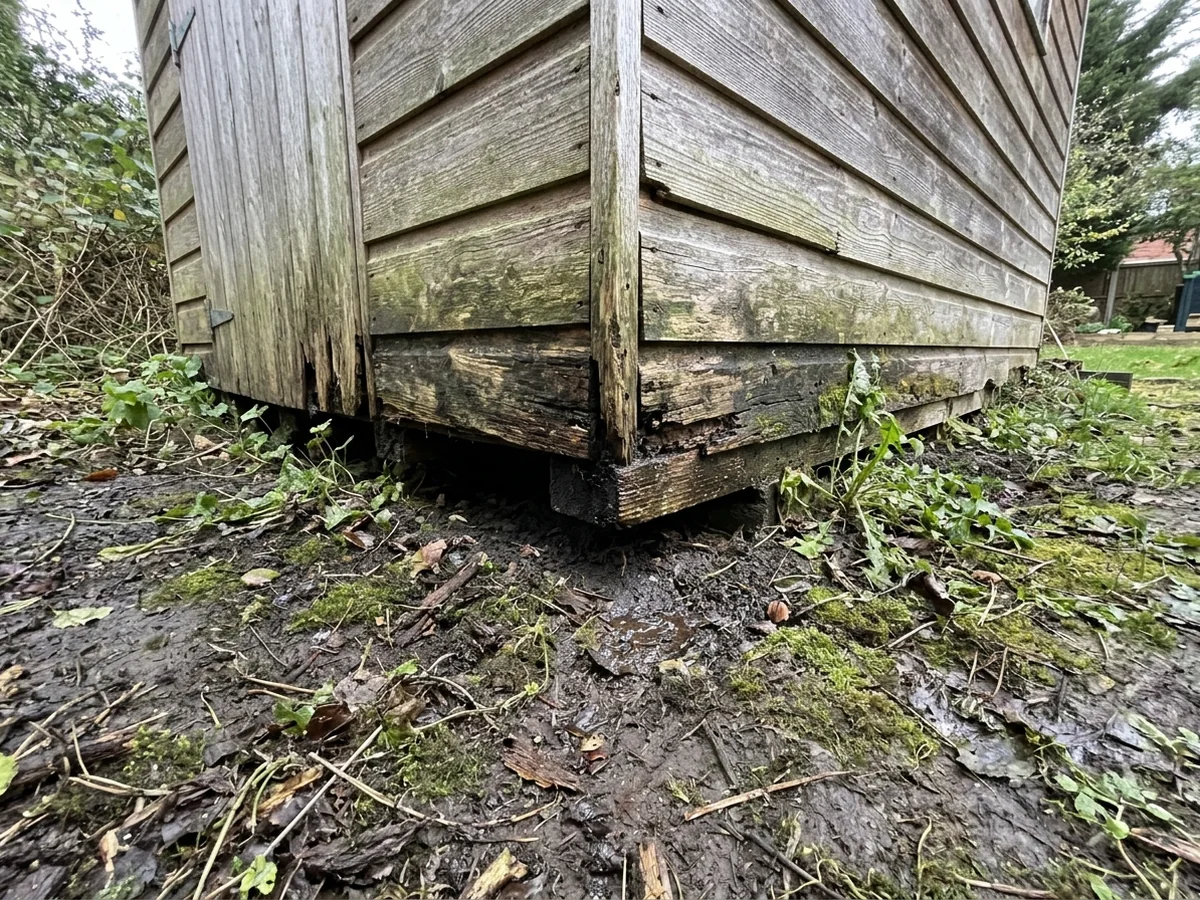
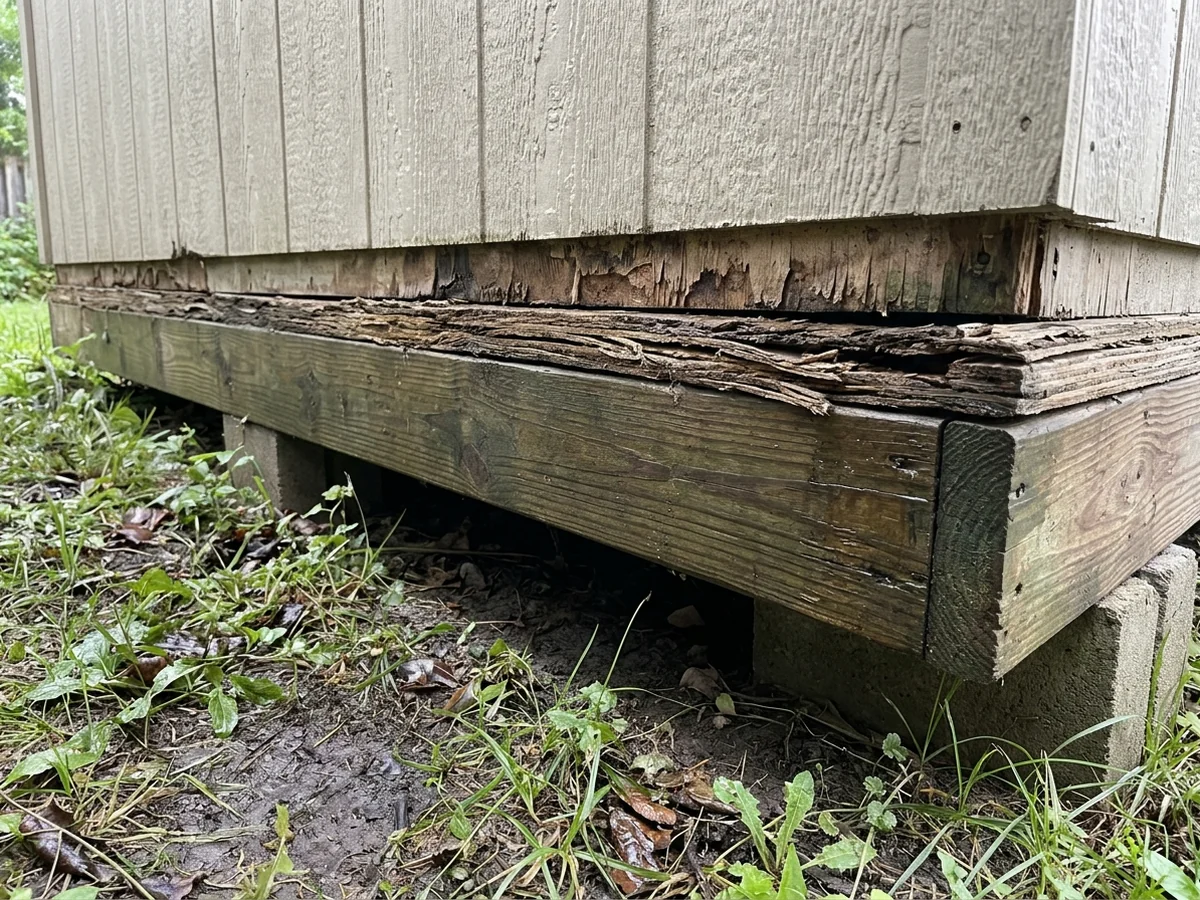
Low ground clearance creates a vulnerable microclimate beneath a building where dampness easily accumulates. When a structure sits directly above wet soil, air movement drops sharply. This stagnant zone holds humidity, keeping the air heavy with moisture that constantly presses upward against the underside of the building. Without proper ventilation, this trapped environment accelerates the breakdown of wood components used in the substructure. Homeowners planning outdoor builds must understand how ground contact influences material longevity.
Mechanics of Vapor Drive and Capillary Action
A continuous vapor drive moves moisture steadily from damp soil into the air space above. Untreated wood panels absorb this invisible vapor because they lack chemical preservatives. As the wood takes in continuous humidity, its internal moisture content rises, creating ideal conditions for fungal decay to take hold. While homeowners often explore cheap shed flooring ideas to save money, using standard interior materials in damp zones leads to rapid failure.
Capillary action draws liquid water directly into the porous fibers of the wood. Even without direct rain contact, untreated plywood acts like a sponge, pulling dampness upward through microscopic channels. This process keeps the bottom layers of the material wet for long periods. Over time, builders often turn to CDX plywood for shed floor assemblies or upgrade to pressure treated plywood for shed floor applications to resist this constant liquid exposure.
Common Mistakes and Substructure Vulnerabilities
To prevent structural failure, property owners must understand why ground contact causes damage and how to intervene early. Common mistakes include placing standard panels directly on bare earth or skipping a protective ground cover. Organizations like APA The Engineered Wood Association provide guidance on proper material selection, emphasizing that standard panels lack the necessary exterior grade resins or preservatives for wet environments. Relying on OSB panels or untreated plywood in high moisture locations without a concrete slab or raised framing compromises the entire base.
Practical Steps for a Dry Substructure
Maintaining a dry substructure requires a waterproof shed floor strategy or elevated framing to keep materials away from the damp earth. Practical steps to protect the base include adding a thick vapor barrier beneath the frame, ensuring adequate cross ventilation around the perimeter, and elevating the framing using pressure treated lumber. Proper detailing ensures long term durability for backyard structures similar to projects featured in our diy garden projects guide.
Untreated Plywood Degradation Rates in Damp Environments

Untreated wood panels degrade quickly when exposed to persistent subsurface humidity because unprotected wood fibers absorb moisture from the earth below. This constant wetness strips the material of its natural resistance, leading to steady fiber breakdown when air circulation remains restricted underneath a low sitting structure. Ground moisture rot untreated plywood shed floor issues usually begin when ordinary sheathing or standard panels rest too close to bare earth without proper elevation or protection.
Subsurface humidity forces untreated wood to remain in a wet state for long periods. Fungal decay thrives in these damp conditions, feeding on the organic glues and wood fibers holding the sheets together. Without adequate ventilation, moisture stays trapped against the bottom face of the panels, accelerating the overall deterioration process.
Understanding Ground Moisture Mechanics
Soil naturally releases water vapor continuously. When a structure sits low to the ground, this vapor rises and hits the cooler underside of the floor panels. Standard panels lack the chemical defenses found in pressure treated lumber. Instead of repelling moisture, standard sheets absorb the vapor like a sponge. This cycle of wetting and slow drying breaks down internal adhesives and compromises the strength of the layers.
Low Sitting Shed Airflow Dynamics
Restricted airflow prevents trapped humidity from escaping. Wind cannot circulate freely beneath a structure that sits directly on the ground or rests on low skids without clearance. This stagnant microclimate keeps the underside of the floor in a constant state of dampness. Even if upper surfaces remain dry from weather exposure, the hidden underside stays vulnerable to moisture accumulation.
Structural fiber breakdown follows a predictable timeline under constant damp conditions. Initially, the wood absorbs moisture and swells slightly, losing its rigidity. Over time, the internal bonds weaken as microscopic fungi begin to colonize the damp layers. Eventually, the structural integrity fails entirely, turning solid wood sheets into a spongy, compromised material that crumbles under pressure.
Spotting early warning signs helps property owners catch subflooring damage before a complete structural collapse happens. Regular inspections should focus on specific physical changes across the underside and surface of the panels.
- Musty or earthy odors lingering inside the structure
- Soft spots that yield under foot traffic
- Discoloration or dark staining across the wood surface
- Flaking or peeling veneer layers near the edges
- White or grey fungal growth visible on the bottom side
Catching these indicators early allows builders to address moisture problems before investing in expensive repairs or looking into cheap shed flooring ideas to replace a ruined base. Addressing poor airflow and subsurface dampness right away stops the decay cycle in its tracks.
Improving Low Clearance Shed Ventilation
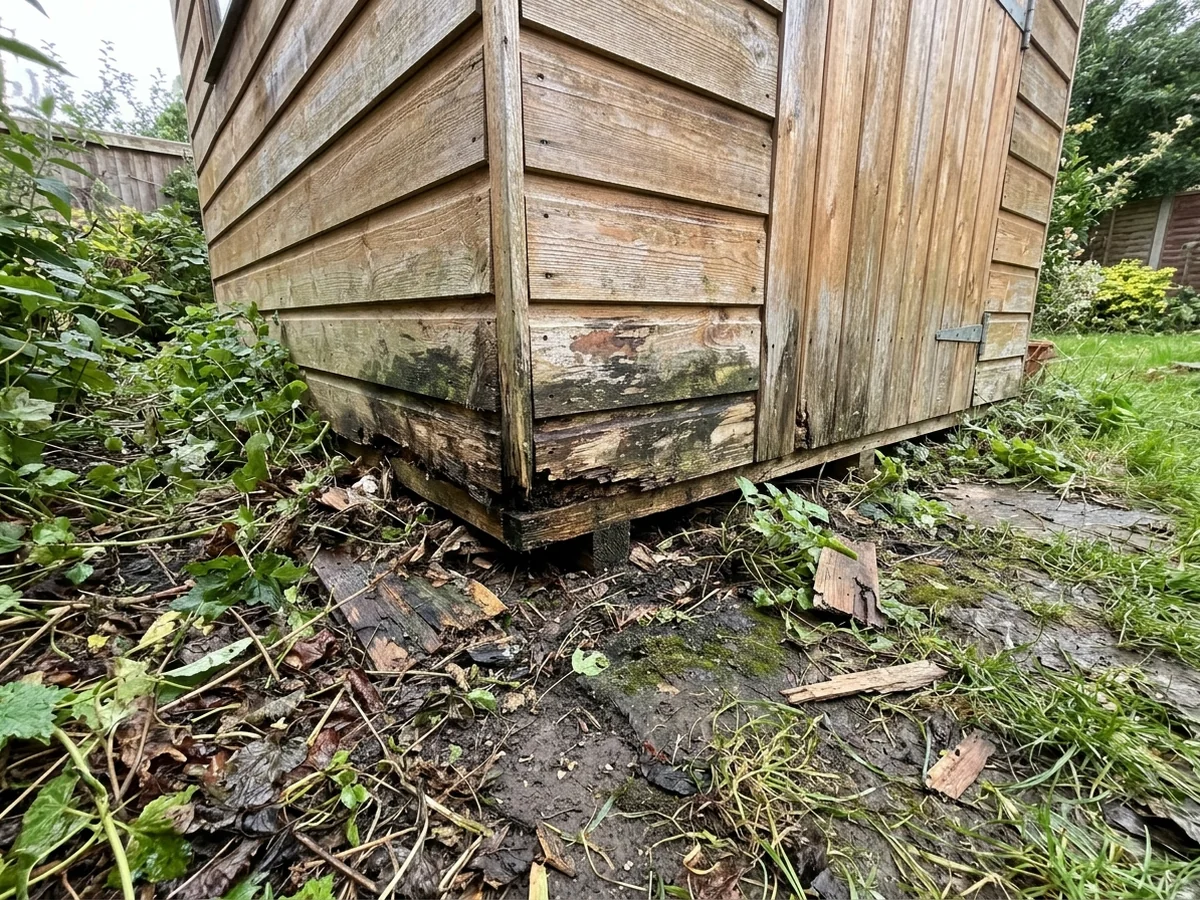
Low clearance beneath a structure restricts cross ventilation, which stops fresh air from moving freely across the underside of the floor panels. When air cannot circulate properly, moisture rising from the earth stays trapped directly beneath the building. This issue frequently affects a ground moisture rot untreated plywood shed floor, because builders often fail to account for how little room air has to move when a structure sits directly on the earth.
Stagnant air pockets prevent wood surfaces from drying out properly after rain or morning dew. Without moving air to carry away humidity, the space underneath stays damp continuously, creating a persistent microclimate that keeps wooden panels wet for long periods. If you are exploring cheap shed flooring ideas or trying to protect standard building materials, ignoring this underlying airflow problem will quickly shorten the lifespan of the platform.
Trapped humidity creates ideal conditions for fungal decay and structural damage to take root. As moisture levels in the wood rise, wood rotting fungi begin to break down the material, steadily weakening the integrity of the floor until structural failure occurs. Unlike indoor spaces where materials remain dry, an unvented ground level platform absorbs vapor constantly, making proper airflow adjustments essential during the planning stages of backyard projects.
To improve airflow in tight spaces, property owners can take practical steps to clear obstructions from the perimeter of the structure. Removing tall grass, stacked items, and soil buildup near the edges allows the wind to push fresh air underneath the floor panels. Homeowners should also avoid enclosing the base completely with solid skirting unless intentional vents are installed on opposite sides to encourage cross breezes.
A common mistake during shed placement is setting the floor joists directly onto untreated earth or non draining pads, which cuts off ventilation entirely and accelerates degradation. Another frequent error is piling landscaping mulch or garden soil against the base of the walls, effectively sealing the low clearance zone and trapping ambient moisture right where the structure needs to breathe. Ensuring proper clearance and unobstructed perimeters helps keep the underside dry and structurally sound over time.
Comparing CDX plywood and pressure treated lumber for shed foundations
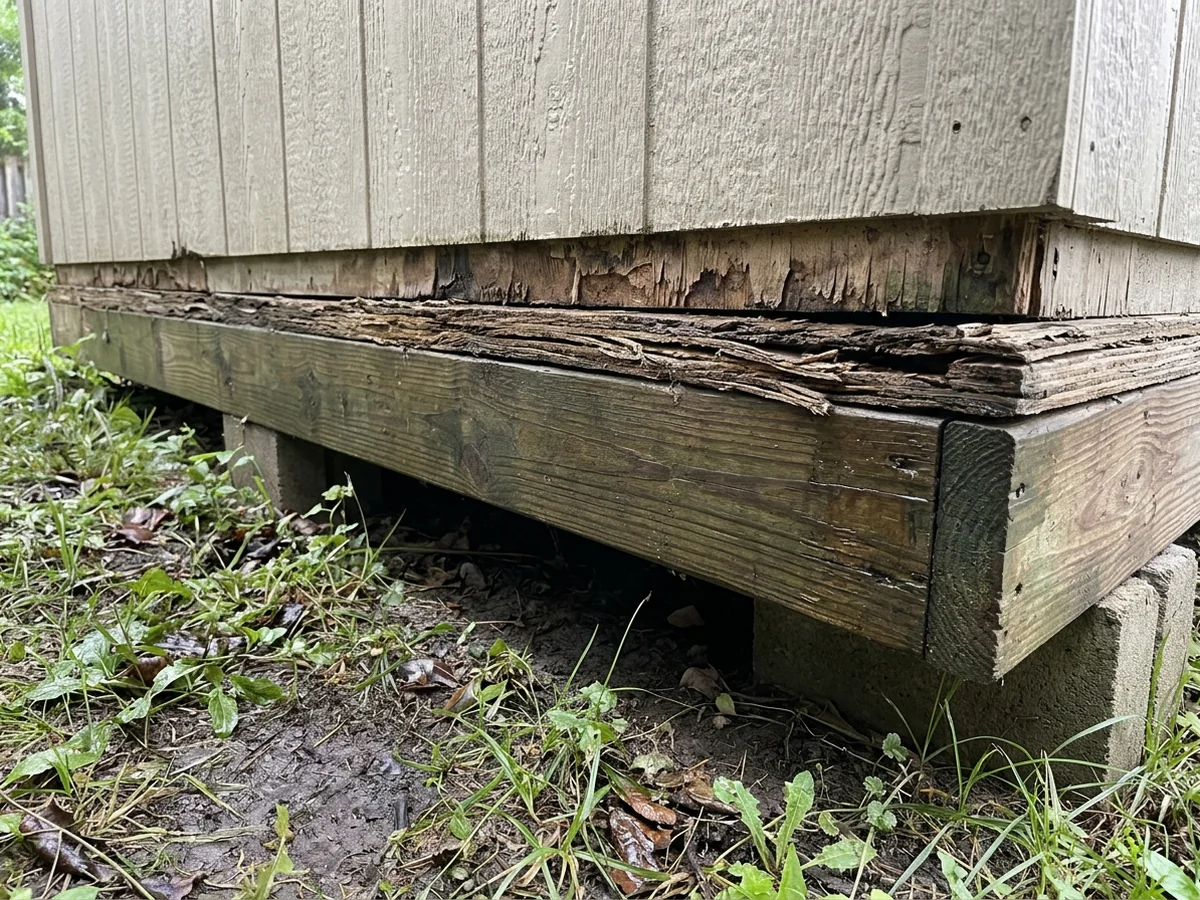
Selecting the right wood material for an outdoor structure involves understanding how different products manage ground moisture rot untreated plywood shed floor issues. When building close to the earth, the choice typically comes down to standard CDX plywood versus chemically treated alternatives. Each material reacts differently to the constant humidity rising from the soil, which directly impacts the structural longevity of the base, especially for DIY homeowners planning a backyard storage space.
CDX plywood relies on exterior-grade adhesive to bond individual wood veneers together. While this specialized glue prevents the panel from delaminating when exposed to occasional rain during construction, the wood plies themselves lack chemical preservatives. In low-sitting structures where air circulation is restricted, these untreated panels absorb dampness readily. Over time, continuous moisture exposure leads to fungal decay and structural weakening, making CDX plywood for shed floor setups risky unless elevated properly.
Understanding treated wood and moisture defense
Pressure treated lumber and pressure treated plywood for shed floor installations undergo industrial processing that forces protective chemicals deep into the cellular structure of the wood. This infusion stops insects and decay fungi from breaking down the material. For foundations sitting directly above damp earth, utilizing a waterproof shed floor strategy that incorporates treated products provides much highly durable performance than standard wood panels.
Property owners planning a reliable subfloor should review guidelines from APA The Engineered Wood Association to understand panel exposure ratings. Selecting appropriate materials prevents premature rotting, especially when builders attempt to save money using budget material selections that lack proper moisture defense. Ensuring adequate ventilation and separating the wood from the damp ground with a vapor barrier or concrete slab further protects the investment against long-term moisture damage.
Practical steps for preventing subfloor failure
A common mistake during backyard builds is placing standard wood directly onto unsealed soil or gravel without an air gap. To prevent damage from OSB panels or untreated sheets absorbing subsurface humidity, elevate the base using concrete blocks or treated joists. Incorporating a heavy-duty vapor barrier beneath the framing blocks the migration of water vapor, keeping the framing dry and extending the lifespan of the entire structure.
Comparing OSB Panels and Plywood Durability
When building a backyard structure close to the earth, the choice between traditional wood sheets and engineered panels plays a massive role in long term structural integrity. Ground moisture rot untreated plywood shed floor issues usually stem from a lack of adequate airflow and direct exposure to damp soil. Understanding how different subfloor materials react to humidity helps property owners avoid premature failure.
OSB Panels Versus Traditional Wood Sheets
Oriented strand board panels react quite differently to damp conditions than traditional wood sheets do when placed near the earth. Because oriented strand board uses compressed wood strands and resin binders, moisture tends to swell the edges permanently once it gets past the surface seal. Water causes the board to expand unevenly, which breaks down its structural integrity much faster than solid wood laminates.
Traditional wood laminates hold up better against occasional humidity because their cross-layered veneer construction distributes moisture stress more evenly. Even so, unprotected wood panels will still suffer from fungal decay if they stay wet for too long in a poorly ventilated base. Selecting the right material means looking beyond the initial price tag to see how long the subfloor will actually last in a damp environment.
Evaluating Material Options and Budget Choices
Budget-friendly options for outdoor subfloor construction often tempt builders looking to keep initial costs low. Exploring lower cost alternatives for outdoor projects can save money upfront, but standard oriented strand board or untreated panels require extra protective steps like applying heavy sealants or installing a proper vapor barrier underneath. Skimping on material quality usually leads to expensive repairs or full floor replacement down the road.
Property owners often consider specialized materials to combat humidity. Using pressure treated plywood for shed floor assemblies provides much better resistance against fungal decay and insect damage than standard utility grades. Alternatively, builders frequently rely on CDX plywood for shed floor projects because its exterior glue line handles occasional moisture exposure without delaminating instantly, provided the surface has adequate ventilation.
Practical Steps for Moisture Prevention
Weighing long term durability against initial material savings is the key to a successful shed build. Saving a small amount of money today on lower grade panels often results in premature rotting when the structure sits close to damp soil. Investing in weather resistant materials or pressure treated lumber prevents moisture damage and extends the lifespan of the entire building.
To protect any wooden subfloor from the ground up, builders should implement several foundational safeguards:
- Install a thick polyethylene vapor barrier over the soil or gravel pad to block rising vapor.
- Elevate the floor framing using concrete blocks or a proper concrete slab to maintain distance from wet earth.
- Ensure adequate cross ventilation beneath the structure so trapped humidity can escape freely.
- Seal all exposed panel edges before installation to stop capillary action from drawing liquid water upward.
Subfloor Protection Strategies Using Vapor Barriers and Concrete Slabs

Protecting a low clearance base requires a combination of moisture mitigation techniques and proper site preparation. Federal building references from hud.gov emphasize stopping ground dampness before it reaches vulnerable wood elements. When you build close to the earth, untreated materials face a constant challenge from subterranean humidity.
Unprotected wood panels absorb continuous vapor rising from the earth, which creates an ideal environment for fungal decay. Without proper intervention, damage to an untreated wooden base develops rapidly as moisture breaks down the wood fibers. This problem affects DIY homeowners and property owners who construct outbuildings without realizing how much water vapor constantly travels upward through the soil.
Installing and Sealing Vapor Barriers
Installing a durable vapor barrier between the soil and floor joists creates a critical shield against rising vapor. This heavy plastic sheeting stops liquid humidity from migrating upward into the framing. Without this protective layer, wood subfloors absorb continuous moisture from the ground and quickly succumb to damage.
A common mistake during installation is leaving gaps or tears in the plastic sheeting, which allows ground moisture to bypass the barrier entirely. To implement a vapor barrier correctly, cover the bare earth completely and extend the edges up the inside of the perimeter framing. Securing and sealing the seams ensures that vapor cannot escape through the joints, creating a closed environment underneath the structure.
Elevating Structures for Airflow
Elevating structures above the grade level improves natural airflow and keeps timber components dry. Raising the entire framing platform allows air to circulate underneath, preventing stagnant dampness from accumulating against the underside of the panels. Better ventilation ensures that any accidental moisture evaporation occurs safely away from vulnerable materials.
Ignoring clearance requirements traps moisture beneath the base, rendering even the best ventilation strategies ineffective. Property owners often try low cost material alternatives, but neglecting the fundamental clearance gap leads to structural failure regardless of the supplies chosen.
Utilizing Concrete Slabs
Utilizing a poured concrete slab foundation offers another reliable method for keeping out soil dampness. Concrete acts as a solid barrier that isolates wooden structures from direct earth contact. Property owners can achieve a waterproof shed floor setup by combining proper slab pouring techniques with perimeter drainage.
When pouring concrete, always include a sub-slab vapor retarder to prevent capillary action from pulling ground water up through the masonry. Recommendations from apawood.org highlight the importance of keeping engineered wood products and standard panels properly separated from damp foundations. Planning your subfloor protection carefully saves time and prevents premature structural failure, keeping your outdoor investment secure for years.
Preventing Fungal Decay and Maintaining Low Clearance Sheds
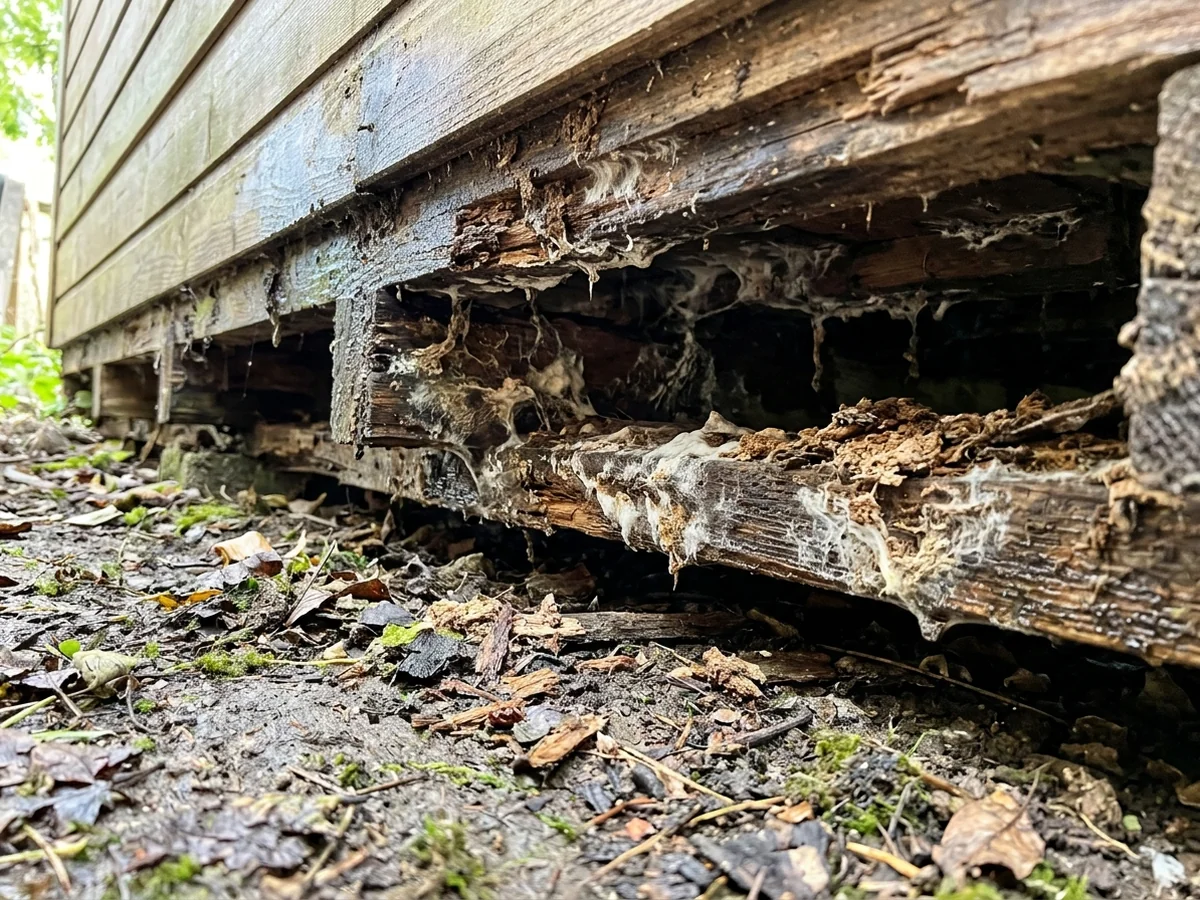
Stopping fungal growth under a low shed requires controlling moisture that affects vulnerable wood foundations and maximizing airflow to protect framing. Fungal decay organisms thrive when subflooring remains persistently damp and lacks adequate ventilation, turning a standard storage structure into a high risk environment for material failure.
Wood-rotting fungi need specific environmental conditions to activate and spread. Excess humidity, trapped water vapor rising from the soil, and prolonged contact with damp earth create an ideal habitat. When untreated wood absorbs this persistent moisture, its internal moisture content rises to levels that support spore germination. Using standard wood panels like exterior grade sheathing for shed floor construction or standard OSB panels without proper protection often leads to rapid structural decline when the structure sits too close to the ground.
Understanding the underlying mechanics helps property owners tackle the root causes rather than just treating surface symptoms. Low sitting structures restrict cross breezes, which prevents trapped moisture from evaporating naturally. When moisture remains stagnant, wood members lose their structural integrity and become spongy. While choosing pressure treated lumber or a heavily protected shed floor design prevents many of these issues from the start, existing low clearance builds require careful mitigation strategies.
Routine inspections help catch early warning signs before structural damage compromises the base of the building. Property owners should check low foundation framing regularly using a simple probe tool like a screwdriver. Soft spots, discoloration, or a musty odor indicate that moisture is accumulating and damaging the subfloor panels.
Ongoing maintenance preserves the strength and stability of the platform over the years. Homeowners can protect vulnerable materials by taking several key preventive steps:
- Clear away debris, leaves, and soil buildup from the perimeter to keep vents unobstructed and allow fresh air to circulate.
- Install a heavy-duty vapor barrier over the bare ground underneath the structure to block rising humidity from reaching the framing.
- Improve site drainage around the foundation edges so rainwater flows away from the base instead of pooling underneath the floor system.
Diligent upkeep ensures that subflooring remains dry and structurally sound despite minimal clearance from the earth, protecting your outdoor investment for years to come.
Untreated wood panels sitting directly near damp soil rarely survive long term when moisture gets trapped beneath the structure. Without chemical preservatives, the wood absorbs ground vapor continuously, which invites fungal decay and rapid structural failure. Even if the local climate is relatively dry, soil humidity alone provides enough moisture to break down untreated wood fibers within a few seasons.
Spotting hidden subfloor damage beneath heavy storage items requires a methodical physical inspection rather than a simple visual glance from the doorway. Clear out the interior entirely to check for soft spots, and press a sturdy tool like a screwdriver gently against the wood surface to test for hidden mushiness. Discoloration, musty odors, and panels that feel spongy underfoot signal advanced decay that demands immediate attention.
Surface sealants offer very limited protection on damp prone wood surfaces because they cannot stop moisture from attacking the underside of the panels. Coatings trap existing dampness inside the material rather than blocking continuous vapor rising from the soil. Relying solely on paints or topical sealers on a ground level platform usually results in peeling finishes and accelerated rotting from below.
Frequently Asked Questions About Shed Floor Moisture and Rot
Can I use standard plywood if I elevate the shed slightly?
Standard wood panels still succumb to decay if air circulation remains restricted underneath the building. Elevating the structure helps, but persistent damp soil requires proper ventilation and moisture barriers to keep untreated materials safe.
How do I know if my shed needs a concrete slab instead of wood?
Concrete slabs work best in chronically wet yards where wooden floor systems constantly absorb ground water. Evaluating your local drainage patterns helps determine whether a raised wooden frame or a solid masonry base is more practical.
Will painting the bottom of the floor prevent rot?
Applying paint to the underside of floor panels traps residual moisture and often speeds up fungal decay. Unsealed wood needs to breathe and dry naturally rather than being sealed with impermeable coatings.
What is the best alternative to untreated plywood in wet areas?
Choosing treated exterior wood panels provides the necessary chemical resistance against ground dampness and fungal decay. Builders frequently select exterior grade panels for outdoor storage projects only when the framing sits well above grade with adequate ventilation.
Conclusion and Long Term Shed Foundation Best Practices
Low sheds face severe risks of fungal decay because damp soil traps moisture directly beneath vulnerable wood panels. Preventing structural failure requires adequate clearance, continuous cross ventilation, and proper material selection from the start. Taking these proactive steps ensures lasting outdoor storage longevity while keeping damage to unprotected wooden subfloors away for good.
You might also like: T-Hinges vs Strap Hinges: What Size Screws Fasten Shed Doors to Studs?