
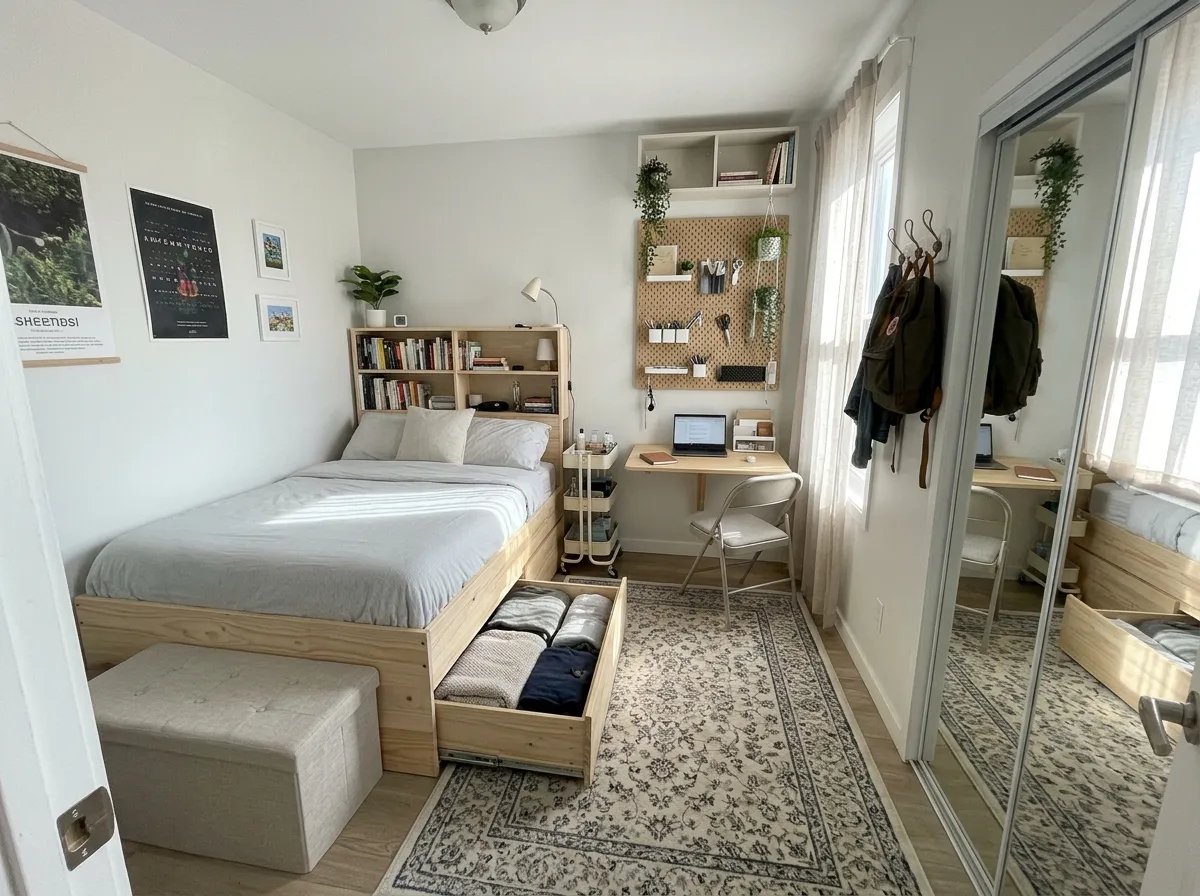
how to organize a small bedroom with multi-purpose furniture for more space
Introduction
You can effectively organize a small bedroom by combining intentional furniture choices with practical layout strategies that maximize every square foot of available space. Limited square footage does not mean you have to sacrifice functionality or personal style.
This guide covers essential steps to reclaim your space, including how to select multi-purpose furnishings, implement smart storage solutions, and arrange your layout for better daily flow. You will find actionable advice to help you transform a cramped room into an efficient and comfortable retreat.
Setting the Foundation for a Calm and Functional Sleep Space
Establishing a foundation for a functional and serene bedroom environment begins by addressing physical clutter before introducing any new furniture or storage units. When you want to organize a small bedroom, common guidance suggests that clearing out unnecessary belongings should always happen before buying new storage bins or containers. Taking this initial step prevents hidden clutter from accumulating inside new organizers.
Clearing Physical Clutter First
When the sleeping area is free of excessive items, the brain experiences a noticeable reduction in visual overstimulation. This physical order directly supports mental clarity, allowing the mind to unwind more easily at the end of the day. Creating this calm atmosphere relies on intentional choices rather than simply packing items away out of sight.
Establishing Simple Physical Boundaries
Managing personal belongings with a clear system helps maintain that initial sense of peace over time. According to the National Institutes of Health, keeping shoes off the floor helps maintain a sense of order in a small room, which prevents daily accumulation from spiraling into chaos. Establishing these simple physical boundaries transforms a cramped sleeping area into a restful retreat where the mind can truly relax.
Smart Surface Management
Once the initial clear-out is complete, focus on keeping everyday items in order. Stanford University research notes that nightstands with drawers or shelves are more effective at keeping surfaces clear than drawer-less designs. Additional common practices include utilizing storage ottomans or trunks at the foot of the bed for extra pillows and blankets, while labeling the edges of drawers helps maintain long term organization for smaller items.
Prioritize Decluttering First
Sorting through your belongings before buying storage containers ensures you only keep items that genuinely deserve a spot in your layout. Adopting helpful decluttering tips for small rooms makes the entire physical transformation much easier to manage, especially when you are trying to learn how to organize a small bedroom without feeling overwhelmed.
Common guidance suggests that decluttering should happen before introducing new storage bins or containers into the room. If you skip this step, you risk organizing items you no longer use or need, which defeats the purpose of maximizing a compact footprint. Assessing your daily habits helps clarify which possessions are truly necessary for your daily routine, allowing you to let go of clutter with confidence.
Assessing Belongings by Frequency of Use
When you want to organize a small bedroom successfully, separating core daily necessities from rarely used possessions immediately frees up valuable physical square footage without buying extra furniture. Evaluate your belongings by frequency of use so that items needed daily stay within easy reach, while seasonal gear or occasional items move to deep storage zones. This deliberate sorting phase applies particularly to adults living in urban apartments or smaller homes where every square inch matters.
Common Decluttering Mistakes to Avoid
A frequent error during this initial phase is purchasing storage bins before knowing the exact volume and dimensions of the items you actually plan to keep. Buying containers too early often leads to mismatched solutions that take up more space than they save. Another pitfall is trying to tackle the entire room at once instead of breaking the space down into manageable zones.
Maintaining Momentum with Simple Systems
Keeping a permanent donation bin tucked inside a closet or corner creates an easy outlet for items you no longer use, preventing clutter from creeping back onto your surfaces. As you sort through clothes, accessories, and personal items, you can immediately drop unwanted pieces into the bin without making a special trip out of the room. Labeling the edges of drawers also helps maintain organization for smaller items once everything finds its proper home.
Maximize Your Closet Capacity
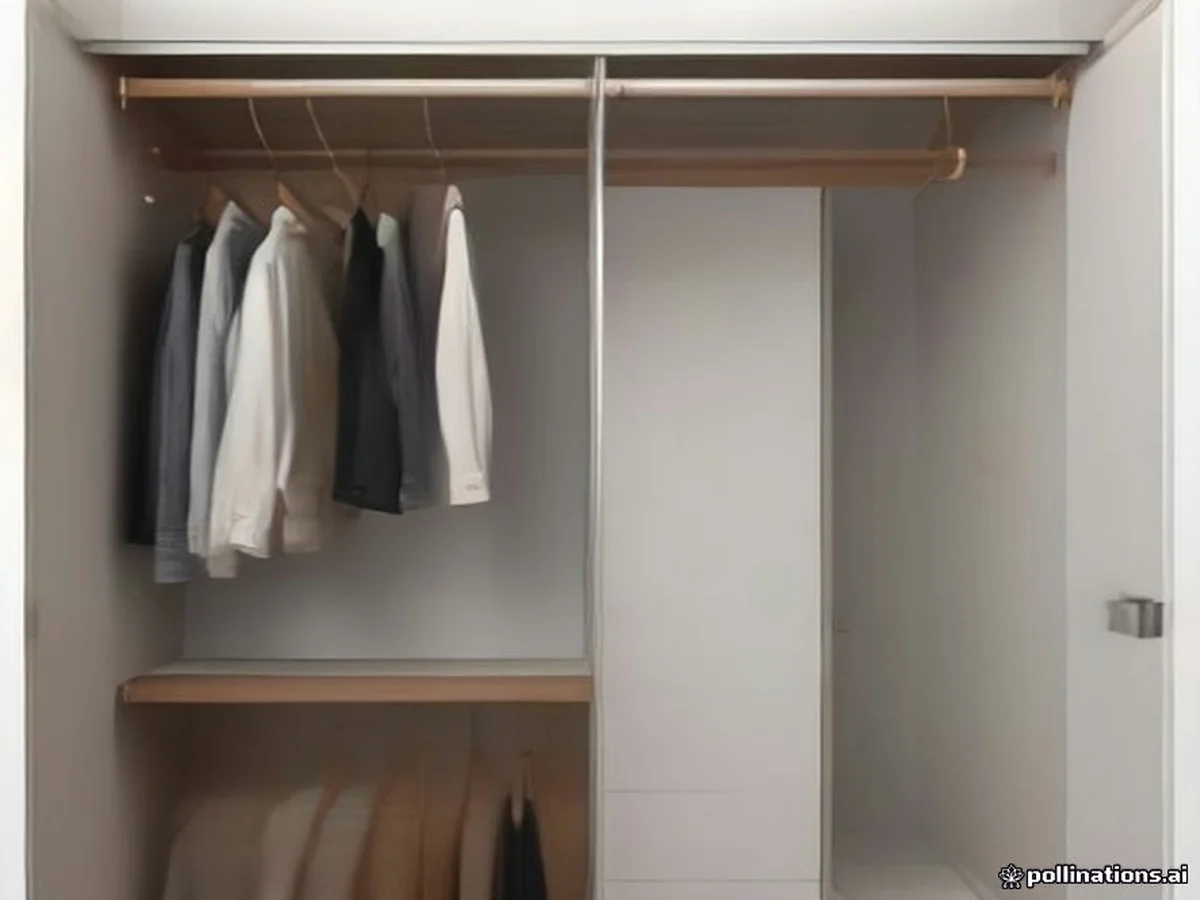
Maximizing the storage potential in your wardrobe relies on smart layout choices and clever accessories that use every square inch efficiently. When you want to successfully arrange a compact sleeping area without feeling cramped, improving your hanging and shelving zones makes a significant difference. Incorporating small bedroom storage hacks can instantly transform an overcrowded wardrobe into a streamlined system.
Before introducing new storage bins or containers, common guidance suggests that decluttering should happen first to clear out items you no longer wear or need. Once you have pared down your wardrobe, understanding the practical steps of layout and arrangement helps you maintain that breathing room.
- Installing a dresser inside a closet is a common practice that helps free up valuable floor space in the bedroom.
- Stacking bins can create additional storage by utilizing vertical closet or floor space effectively.
- Using uniform hangers in a closet is a typical practice that helps maintain a tidy visual appearance and keeps garments neatly aligned.
- Hanging secondary rods at different heights allows you to double your hanging capacity for shirts and trousers.
- Adding small shelf dividers keeps folded sweaters from toppling over and messing up your newly arranged tiers.
- Labeling the edges of drawers helps maintain ongoing organization for smaller items, making it easier to return things to their proper place.
A common mistake when tackling closet capacity is focusing solely on shelves while ignoring vertical hanging space or floor zones. To avoid this pitfall, evaluate your wardrobe by dividing it into zones for hanging, folding, and accessories. Keeping shoes off the floor helps maintain a sense of order in a small room, which prevents clutter from spilling outward and overwhelming the rest of the space.
Strategic Furniture Choices

When you want to successfully organize a small bedroom, the furniture you select plays a primary role in maintaining floor space and visual calm. Common guidance suggests that decluttering should happen before introducing any new storage containers or furniture pieces, ensuring you only bring in items that genuinely serve your layout. Once you clear out the excess, choosing the right space saving bedroom furniture prevents items from spilling out onto your floors and flat surfaces.
Bedside Units and Surface Control
Selecting proper bedside units is a major part of this process. Research from Stanford University points out that nightstands featuring built-in drawers or shelves are significantly more effective at keeping surfaces clear than drawer-less designs. A unit with enclosed storage allows you to tuck away daily essentials completely out of sight while maintaining an open, breathable feel in compact sleeping quarters.
Multifunctional Footboard Options
Beyond the bedside, typical practice shows that storage ottomans or trunks placed at the foot of the bed provide practical hidden storage for extra pillows and heavy blankets. These versatile pieces serve as a comfortable place to sit while keeping bulky linens completely concealed. Avoiding oversized dressers that disrupt room flow helps preserve square footage for daily movement.
Flexible Mobile Storage Solutions
Similarly, common approaches highlight rolling carts as a flexible storage solution for compact sleeping quarters, allowing you to easily move supplies from corner to corner whenever your daily needs shift. When planning how to layout a small bedroom, combining mobile units with vertical shelving ensures that every square foot actively supports your daily routine without creating clutter bottlenecks.
Utilize Vertical Wall Space
Maximizing upward storage areas is essential when you want to successfully organize a small bedroom without crowding the floor. Relying on unused walls helps lift everyday items away from walking paths and clears valuable surface area, which keeps compact layouts feeling open rather than cramped.
Before adding fixtures, it is common guidance to declutter surfaces and closets so you only mount items you actually use. When planning your layout, incorporating vertical storage prevents clutter from migrating back onto dressers and bedside tables.
- Wall pockets can be utilized for additional storage in small bedrooms, providing an easy drop zone for mail, journals, and daily accessories.
- Hanging floating shelves allows you to display books and decorative items while keeping floors completely clear for easy movement.
- Repurposing everyday kitchen spice racks provides an efficient way to store makeup and keep counters tidy and organized.
- Mounting simple towel bars near a dressing area creates an instant hanging zone for bracelets and necklaces, preventing tangled jewelry.
A common mistake when utilizing wall space is hanging items too low, which can make tight rooms feel visually heavy. Keep shelves and storage pockets at eye level or slightly higher to draw the gaze upward and enhance the room’s overall proportions.
Maintain Clear Floor Zones

Keeping walkways clear ensures safety and comfortable daily flow throughout the room. When mapping out how to layout a small bedroom, leaving open paths prevents tripping hazards and makes the area feel much larger than it actually is. According to the National Institute on Aging, keeping shoes off the floor helps maintain a sense of order in a small room.
To achieve this, common guidance suggests decluttering your walking paths before introducing new storage bins or containers. A frequent mistake is placing bulky items directly onto walking surfaces, which immediately shrinks the perceived size of the room. Instead, practical steps involve measuring your space and utilizing vertical alternatives or hidden zones to keep the floor completely unobstructed.
Utilizing Hidden and Flexible Floor Storage
For additional hidden capacity, storage ottomans or trunks at the foot of the bed provide a convenient place for extra pillows and blankets without crowding the floor. Similarly, rolling carts are often used as a flexible storage solution for small bedroom organization because they can easily move out of pathways when not in use. Always measure the vertical clearance beneath your bed frame before purchasing bins, and slide flat containers underneath to store seasonal items securely out of the main traffic flow.
Choosing Space Saving Furniture
Selecting the right furniture plays a major role in keeping floor zones open. Nightstands with drawers or shelves are more effective at keeping surfaces clear than drawer-less designs. Additionally, stacking bins create additional storage by utilizing vertical closet or floor space, while wall pockets can be utilized for additional storage in small bedrooms without encroaching on walking paths.
Store Small Bedroom Accessories
Maximizing tight living quarters relies heavily on managing personal accessories properly. Keeping intimate apparel and jewelry in order requires intentional layout choices, especially when executing bedroom organization on a budget. Implementing systematic storage strategies prevents clutter from accumulating inside your furniture units and keeps your living space feeling calm. Common guidance suggests that decluttering should happen before introducing new storage bins or containers, ensuring you only store items you actually use.
When planning how to organize a small bedroom, it helps to look closely at why standard storage often fails. People frequently buy containers before editing their belongings, or they rely on open surfaces that quickly collect loose items. Nightstands with drawers or shelves are more effective at keeping surfaces clear than drawer-less designs, according to insights from Stanford University. Incorporating wall pockets can be utilized for additional storage in small bedrooms, keeping frequently used items off your surfaces entirely, drawing from research by Strayer University.
To put these concepts into practice, review the following steps for efficient accessory management:
- Utilize drawer dividers to categorize smaller personal items so that everything stays in its designated place.
- Adopt labeling the edges of drawers to help maintain organization for smaller items over long periods, as common practice shows this prevents guesswork.
- Implement specific folding methods to keep clothes consistent and compact inside tight compartments.
- Establish a routine where accessories are sorted before being placed back into storage bins.
- Assign a permanent home for every daily accessory to reduce morning search times and prevent clutter build-up.
Avoiding common mistakes makes a significant difference in tight rooms. A frequent error is forcing large storage containers into spaces without measuring clearances, which restricts drawer movement and door swings. Another pitfall is ignoring vertical wall space, leaving valuable room bare while furniture tops overflow. By combining smart furniture choices with disciplined sorting habits, you can keep your personal items neatly tucked away while maintaining an open, relaxing atmosphere.
Common Organization Mistakes
Arranging a compact sleep space efficiently requires careful planning, because a few missteps can easily make a tight room feel even more cramped. When you want to tackle small bedroom storage hacks successfully, avoiding common layout and storage errors prevents frustration down the line for adults living in urban apartments or smaller homes who need practical storage solutions.
Failing to Plan the Sequence and Scale
One frequent mistake is purchasing storage containers before measuring the actual available space, which often leads to bins that do not fit properly under beds or inside closets. Similarly, failing to leave enough breathing room in a layout can make a compact room feel cluttered and overly tight. Placing oversized furniture in restricted square footage blocks natural pathways and limits your daily movement, turning a relaxing area into an obstacle course.
Skipping the initial decluttering phase before introducing new storage bins typically results in storing unnecessary items you no longer need. Common guidance suggests that decluttering should happen before introducing new storage bins or containers. Furthermore, keeping shoes off the floor helps maintain a sense of order in a small room, yet many people crowd their pathways with footwear.
Neglecting Surface Control and Details
Neglecting a regular routine for clearing surfaces quickly causes clutter to build up again on every flat area. Research from Stanford University points out that nightstands with drawers or shelves are more effective at keeping surfaces clear than drawer-less designs, helping you avoid messy bedside piles.
Other typical oversights include forgetting to label the edges of drawers to maintain organization for smaller items, or crowding closets without using uniform hangers, which commonly helps maintain a tidy visual appearance. By identifying these pitfalls early, you can design a functional layout that maximizes every square inch of your room.
FAQ
What is the best way to arrange compact sleeping quarters?
To successfully set up a compact room, it is common practice to clear out unnecessary items before introducing new storage containers. Combining this step with space saving bedroom furniture helps maximize every square inch of the room.
What should I remove first when decluttering?
Decluttering should happen before introducing new storage bins or containers. Taking out large unused items and clothing you no longer wear immediately frees up valuable floor space.
What are some must-haves for a small bedroom?
Nightstands with drawers or shelves are more effective at keeping surfaces clear than drawer-less designs. Additionally, storage ottomans or trunks at the foot of the bed are commonly used to provide hidden storage for extra pillows and blankets.
How can I make my tiny bedroom look bigger?
Keeping shoes off the floor helps maintain a sense of order in a small room. Using uniform hangers in a closet also helps maintain a tidy visual appearance and reduces clutter.
Where else can I find extra storage in a cramped room?
Wall pockets can be utilized for additional storage in small bedrooms. You can also rely on stacking bins to create additional storage by utilizing vertical closet or floor space.
Conclusion
The next step is to review your current layout and select one multi-purpose furniture piece to introduce this week. Taking this single action helps you immediately arrange compact sleeping quarters without feeling overwhelmed by the entire room. Start by clearing surfaces and measuring your available floor space to find the right fit.
Sources: epm.cnc.stanford.edu, articulate.strayer.edu, nia.nih.gov
You might also like: 10 DIY Wall Art Ideas with Beautiful Wooden Frames