
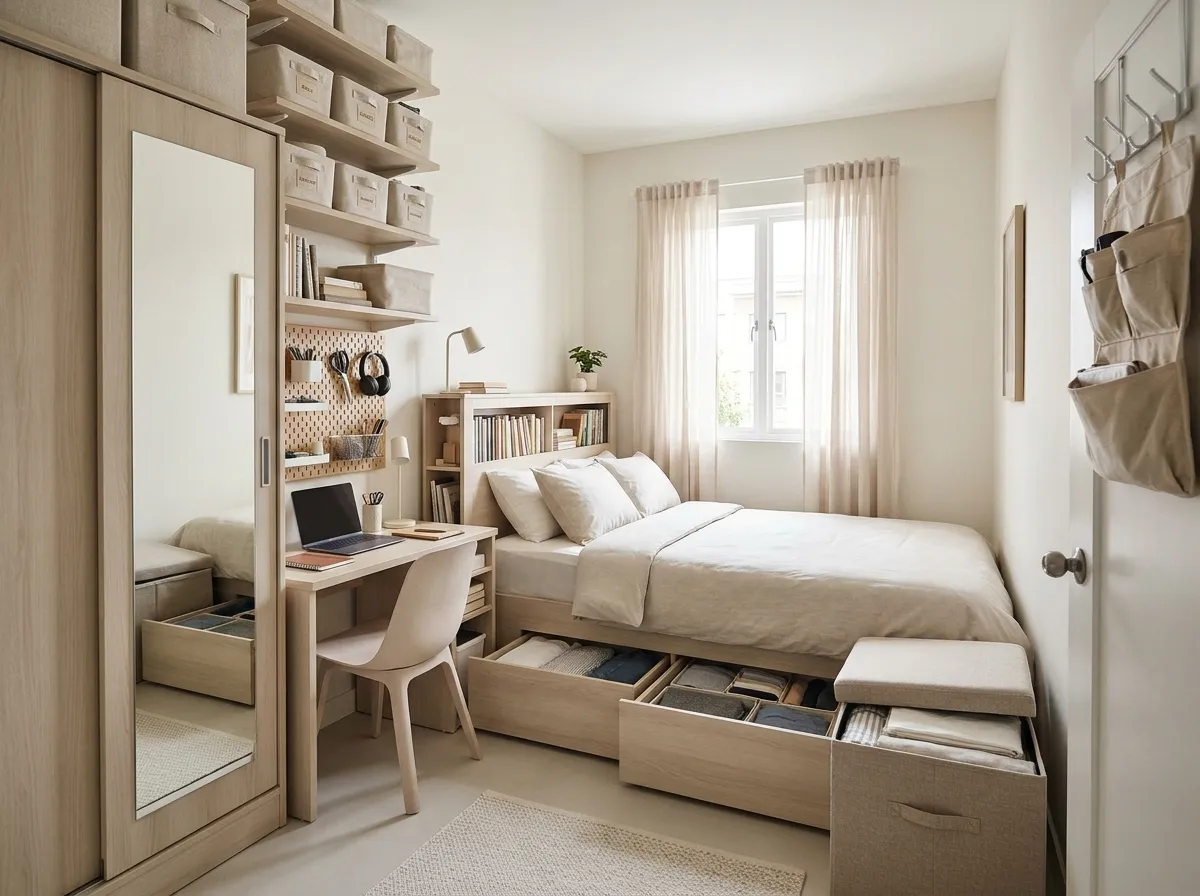
how to declutter your home using the 20-minute method for a calm space
Introduction
You can effectively declutter your home by committing to small, timed sessions that prevent burnout and build consistent progress. This approach allows you to declutter your home in manageable increments, turning a daunting task into a simple daily habit.
This article explores the 20-minute decluttering method to help you regain control over your living space. We will cover how to prioritize your efforts using a clear sequence, the benefits of working in short bursts, and practical tips for maintaining a calm environment. You will learn how to transition from an overwhelming mess to a structured home without needing to dedicate entire weekends to the process.
Finding Calm Through Micro-Progress
Physical clutter often acts as a visual anchor that weighs down your mental state, making clear surfaces feel like a rare luxury. When your surroundings are filled with unnecessary items, your brain constantly processes the background noise of tasks left undone. Reclaiming these spaces provides an immediate sense of relief and a quieter environment that supports better focus and relaxation.
The 20-minute decluttering method serves as a low-pressure entry point to transform your living area without the exhaustion of all-day projects. By setting a strict timer, you shift your focus from the overwhelming scale of the entire house to a singular, manageable goal. This approach builds momentum through small wins rather than demanding a massive time commitment.
Adopting this short-burst strategy helps you avoid the burnout that often accompanies larger cleaning efforts. When you know you only need to commit to a brief interval, the barrier to starting disappears. You might find that the following benefits emerge as you maintain this consistent pace:
- Increased ability to identify items that no longer serve a purpose.
- Greater psychological satisfaction from seeing a clean tabletop or shelf.
- Reduced anxiety as you gain control over your immediate surroundings.
- Easier transition into forming lasting habits for a tidy environment.
Working in these focused blocks prevents the frustration of scattered efforts. You stop viewing the process as a singular, daunting chore and start treating it as a daily rhythm of maintenance. With this method, you steadily refine your space, ensuring that your home remains a sanctuary rather than a source of stress.
Steps to Declutter Fast
To declutter your home efficiently, you must choose between two primary approaches: focusing on specific rooms or grouping items by category. Decluttering by room allows you to see immediate progress in a contained space, such as a single bedroom or bathroom. In contrast, decluttering by category involves gathering all similar items from every room in the house at once to evaluate them together.
The KonMari method is a popular approach that emphasizes decluttering by category rather than location. This strategy follows a specific sequence to help you build decision-making momentum:
- Clothes
- Books
- Papers
- Miscellaneous kitchen items
Following this order ensures you tackle easier items first, sharpening your ability to decide what truly adds value to your life before moving on to more sentimental or complex groups.
Selecting one consistent method helps prevent the overwhelm that often leads to abandoned projects. When you try to tackle an entire house at random, you may find yourself moving between rooms without finishing any single task. By committing to a category-based flow or a zone-by-zone room rotation, you create a clear roadmap that keeps your focus narrowed. This structure turns a massive, daunting project into a series of manageable, 20-minute sessions that you can realistically complete.
Keeping your process organized is essential, but remember that organizing is just the final step of finding a permanent home for your remaining belongings. Once you have successfully purged excess items, you can arrange what is left in a way that serves your daily routine. For example, store frequently used items at eye level rather than on high shelves to improve safety and accessibility in your newly cleared space.
The 20 Minute Method
The 20-minute decluttering method is a simple strategy that uses short, intense bursts of effort to help you maintain consistent momentum. By focusing on micro-progress rather than attempting to finish an entire room, you can effectively manage the work without burning out. This approach is particularly helpful for those wondering how to declutter your home when overwhelmed, as it keeps the scope small and the results immediate.
Setting a timer removes the pressure of an undefined task. When you know you only have to work for a specific period, it is easier to start, and you can stop as soon as the clock runs out. This creates a psychological boundary that prevents you from feeling drained, allowing you to build a sustainable habit over time.
To make the most of these focused sessions, keep these steps in mind:
- Select a single drawer, shelf, or small surface to focus on before you start the timer.
- Sort items into keep, donate, and discard piles during your session to ensure you make tangible progress.
- Avoid trying to organize everything at once, as the primary goal is simply removing items that no longer serve you.
- Use the time to clear visible clutter, which creates an immediate sense of relief in your living area.
- Stop immediately when the timer sounds to prevent fatigue and ensure you feel motivated to try again tomorrow.
Focusing on one small area at a time allows you to see significant change without the stress of a massive project. Once you finish your burst of activity, you can enjoy a tidier space while knowing that you have made genuine headway. Consistent, brief efforts are often more effective for long-term maintenance than infrequent, exhausting clean-up marathons.
Donating Your Decluttered Items
You can effectively manage your unwanted goods by prioritizing established donation centers such as Goodwill Industries or the Salvation Army. These organizations provide a reliable way to ensure your gently used items reach people who can genuinely benefit from them. By choosing these established hubs, you simplify the process of clearing your living area while supporting local community programs.
Mindful disposal serves as a crucial final step to reduce environmental impact. Rather than defaulting to the trash bin, consider whether an item might find a second life elsewhere. Adopting sustainable ways to discard items keeps usable materials out of landfills and promotes a more circular approach to consumption. Thoughtful handling of your excess possessions ensures that your efforts benefit your immediate surroundings and the broader environment.
When items are truly broken, stained, or beyond repair, proper waste management becomes necessary. Research your local municipal guidelines to understand how to handle textile recycling or specific disposal requirements for damaged goods. Following official procedures prevents hazardous materials or non-recyclable waste from entering the environment inappropriately. Taking a few extra minutes to sort through these materials demonstrates a commitment to responsible household management.
- Check local donation center websites for lists of accepted items before dropping off your bags.
- Ensure all donated clothing and household goods are clean and in good working condition to respect the needs of the recipients.
- Look for specialized recycling programs in your area for electronics or complex items that cannot go in standard waste bins.
Focusing on these practices turns the act of clearing out your space into a positive contribution. You gain peace of mind knowing that your items are handled with care, whether they are finding a new home or being processed through appropriate channels. This intentional approach helps you maintain a calm environment while fostering a sense of social and environmental responsibility.
Storage and Accessibility Tips

Effective home maintenance relies on two distinct phases: decluttering and organizing. While decluttering focuses on removing items that no longer serve a purpose, organizing is the subsequent process of finding a permanent home for the items you decide to keep. A common mistake is purchasing storage containers before you finish purging your belongings. Buying bins prematurely often leads to storing excess items you do not actually need, which defeats the purpose of creating a more streamlined space.
When you are ready to assign homes to your belongings, prioritize safety and efficiency. According to the University of Oregon, regularly used items should never be stored on top shelves. This guidance is designed to improve accessibility and prevent the risk of injury that occurs when reaching for or attempting to pull heavy objects from high locations. By keeping essential items within your immediate reach, you reduce physical strain and make tidying up a much faster, safer habit.
| Item Frequency | Storage Location | Accessibility Level |
|---|---|---|
| High-frequency | Eye level to waist height | Maximum |
| Low-frequency | Top or bottom shelves | Minimum |
To optimize your layout, consider the zones you use most throughout the day. Items you grab daily, such as coffee mugs or your keys, belong in prime zones that require no stretching or bending. Reserve high and low storage areas for seasonal decor, specialized tools, or items you only need a few times a year. This hierarchy keeps your most vital living spaces clear, functional, and visually calm.
If you find the process daunting, consider the sequence often recommended by the KonMari method: decluttering by category. Start with clothes, then move to books, papers, and finally miscellaneous kitchen items. This structured approach helps you maintain momentum. If you decide to bring in professional help, keep in mind that many organizers typically charge a minimum booking fee, such as three hours per visit, so ensure your space is ready for their arrival to make the most of that time.
Decluttering Mistakes to Avoid
To successfully clear your living space, you must avoid common pitfalls that lead to exhaustion or stalled progress. Many people accidentally create more work for themselves by prioritizing shopping over purging or setting unrealistic expectations for their timeline.
Steering clear of these missteps ensures you keep your momentum while following a simple decluttering checklist for beginners. Keep these guidelines in mind as you refine your space:
- Avoid purchasing storage bins before you have purged your items, as you will not know what size or quantity you actually need until the clutter is gone.
- Resist the urge to finish your entire home in a single weekend, because rushing through the process often leads to burnout rather than lasting results.
- Refrain from keeping items just in case you need them someday if you do not have a specific, current purpose for those objects.
- Remember that organizing is the process of finding a place for items only after the initial clearing is finished.
- Prioritize safety by ensuring that frequently used items are never stored on top shelves where they are difficult to reach.
- Follow the established sequence of clothes, books, papers, and then miscellaneous kitchen items to streamline your workflow efficiently.
Focusing on these habits prevents you from feeling overwhelmed by the sheer volume of belongings in your possession. When you stop treating the symptoms of clutter by buying more containers, you start addressing the root cause of the excess. Taking a slow, intentional approach allows you to make consistent progress without the pressure of a deadline. By keeping your goals small and your process clear, you transform your environment into a calm, functional retreat that stays tidy over time.
When to Seek Help
You should consider professional assistance when your living environment poses safety risks, chronic disorganization impacts your mental health, or you feel completely paralyzed by the sheer volume of possessions. While many people successfully declutter their home through consistent, small habits, some situations require an objective, experienced hand to navigate complex spatial or emotional challenges.
Bringing in an expert provides a crucial outside perspective, especially regarding sentimental items. It is common to experience decision fatigue when sorting through objects tied to memories, as these pieces often carry emotional weight that makes letting go difficult. An impartial professional can help you evaluate these items based on their current utility and purpose in your space, rather than just their nostalgic value.
If you decide to hire support, be aware of typical industry standards regarding service logistics. It is common practice for professional declutterers to implement a minimum booking fee, such as three hours per session. This ensures that the specialist has enough time to make meaningful progress, as meaningful organization is rarely an overnight process. Before committing, ask potential providers about their process and how they handle specific categories to ensure their approach aligns with your needs.
Seeking help is not a sign of failure but a strategic choice to reclaim your environment. Whether you need a one-time intensive session to clear a backlog or ongoing support to build better habits, external guidance can bridge the gap between feeling overwhelmed and achieving a sense of calm.
Maintaining Your Clear Space
You sustain a tidy living area by prioritizing daily habits over sporadic, intense cleanup sessions. Consistent, small actions prevent items from piling up, allowing you to enjoy a calm environment every single evening.
Waking up to clear surfaces provides a significant psychological reset. When you clear your countertops and tables before bed, you reduce visual noise, which helps lower stress and creates a sense of readiness for the next day. This nightly ritual signals to your brain that the day is complete, fostering a peaceful transition into rest.
To prevent new items from overwhelming your storage, adopt the one in, one out habit. Whenever you bring a new object into your living space, commit to removing an existing one. This strategy keeps your inventory stable and forces you to evaluate the true value of each new purchase before it enters your residence.
Long-term success depends on your ability to remain consistent rather than aiming for perfection through intensity. A quick 20-minute daily session is far more effective at keeping chaos at bay than a single, exhausting weekend effort. By integrating these small, manageable tasks into your regular routine, you avoid the fatigue that often leads to abandoning your organizational goals.
- Clear all flat surfaces nightly to reset your mental state.
- Apply the one in, one out rule for every new item acquired.
- Focus on daily progress to build sustainable, lasting order.
- Avoid over-committing to massive projects that lead to burnout.
FAQ
How do I start to declutter your home when overwhelmed?
Begin by focusing on a single, small area like a junk drawer or a medicine cabinet to build momentum without pressure. Tackling one tiny zone for just twenty minutes allows you to see immediate progress, which helps reduce the anxiety associated with larger projects.
Should I declutter by room or category?
Decluttering by category is a highly effective strategy because it forces you to confront the total volume of similar items you own at once. Decluttering by category often follows a sequence of clothes, books, papers, then miscellaneous kitchen items.
How can I declutter if I have limited time?
Setting a timer for short sessions is designed specifically for busy schedules by breaking tasks into manageable bursts of activity. By working intensely for just twenty minutes, you can make significant improvements to your space without needing to dedicate an entire weekend to the process.
What is the difference between decluttering and organizing?
Decluttering is the act of removing items you no longer need or want. Organizing is defined as the process of finding a place for items after decluttering. You should always complete your purging phase before attempting to buy storage containers or arranging your belongings.
Where should I store frequently used items?
Regularly used items should not be stored on top shelves to improve accessibility. Placing items at eye level or in easily accessible zones improves daily functionality and prevents unnecessary physical strain.
Do professional declutterers have standard pricing?
Professional declutterers may charge a minimum booking fee, such as three hours per session. It is helpful to check local listings for individual service terms if you decide to hire outside assistance for your home.
Conclusion
The most effective next step is to choose one small zone and commit to a single 20-minute timer session today. By focusing on one area at a time, you build momentum without feeling overwhelmed by the entire process. Once you have completed your first session, you will be well on your way to successfully declutter your home and enjoying a more peaceful living space.
Sources: viterbigradadmission.usc.edu, safety.uoregon.edu
You might also like: 10 DIY Wall Art Ideas with Beautiful Wooden Frames