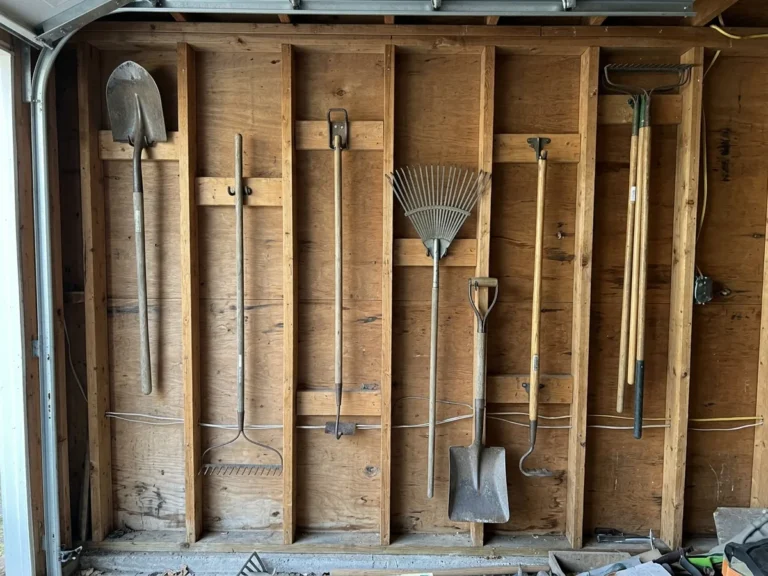
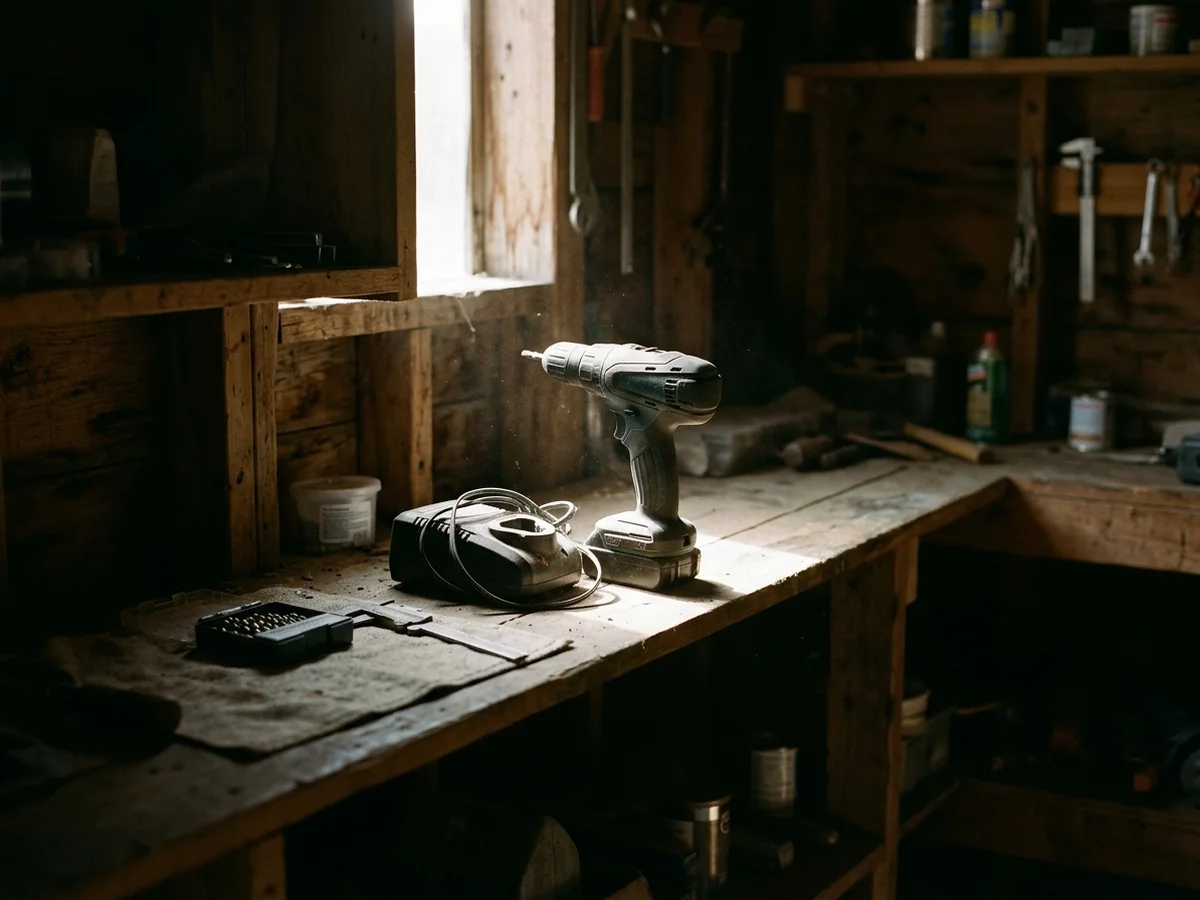
Why Stored Tools Rust Inside Metal and Plastic Sheds (Condensation Traps)
Introduction
Understanding why tools rust inside sheds comes down to moisture accumulation and temperature shifts that create hidden condensation traps on metal surfaces. Common guidance shows that tools can rust in a garden shed due to the presence of moisture and humidity, especially when unheated structures lack proper airflow.
This article covers the underlying mechanics of how metal and plastic structures trap humidity, the role of temperature drops in crossing the dew point, and practical methods to protect steel equipment. Readers will also learn how to set up effective vapor barriers and use desiccants to maintain a safe relative humidity level year-round.
Understanding the Causes of Rust on Stored Tools
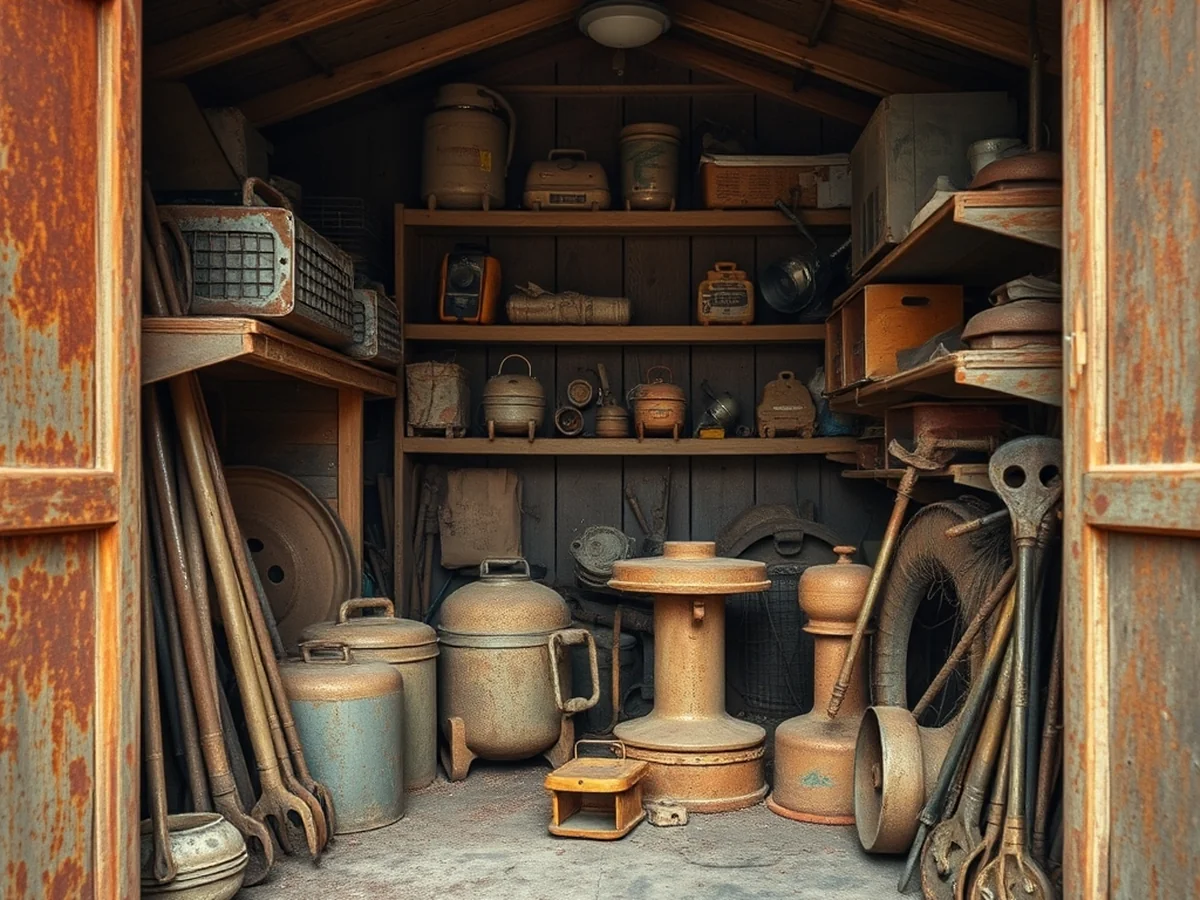
Common guidance indicates that tools can rust in a garden shed due to the presence of moisture and humidity. When homeowners and DIY enthusiasts across the United States store metal equipment in outdoor buildings, they often encounter a reddish brown coating of oxidation on their favorite wrenches, saws, and blades. Exploring why tools rust inside sheds reveals a complex interaction between fluctuating outdoor temperatures, trapped atmospheric humidity, and structural material properties.
Unheated outdoor structures experience daily temperature swings that pull damp air inside through gaps and unsealed joints. When the interior air cools down rapidly, particularly during seasonal shifts, it reaches its dew point and releases liquid water directly onto cold metal surfaces. This unwanted moisture triggers a destructive chemical oxidation process on unprotected steel and iron. Water acts as an electrolyte, speeding up the electrochemical reaction between the exposed metal and the oxygen in the air. Iron atoms lose electrons and bond with oxygen molecules, gradually eating away at the surface integrity of the tool.
Structural choices heavily influence how this dampness behaves indoors. Metal and plastic structures lack natural breathability, creating localized condensation traps that exacerbate this chemical breakdown. Without proper airflow or climate control, trapped vapor lingers near the floor and walls. Unprotected blades and hand tools absorb this ambient dampness day after day, accelerating the formation of flaky corrosion.
Practical steps to prevent extensive oxidation involve managing the internal environment before damage occurs. Common mistakes include placing bare metal directly against concrete floors or failing to seal entry points where moist air circulates freely. Addressing these vulnerabilities requires understanding specific environmental thresholds:
- Monitoring relative humidity levels to keep moisture below the critical threshold where iron oxidation accelerates.
- Installing a durable vapor barrier beneath storage buildings to block ground moisture from rising into the interior.
- Utilizing a desiccant or a dedicated shed dehumidifier for rust prevention in sealed spaces.
- Deploying protective treatments like silica gel packets inside toolboxes and storage chests.
Taking time to understand these underlying causes helps protect valuable equipment from permanent structural degradation. Proper placement, effective sealing, and continuous moisture management keep outdoor storage spaces dry and functional year-round.
How Metal and Plastic Sheds Trap Condensation
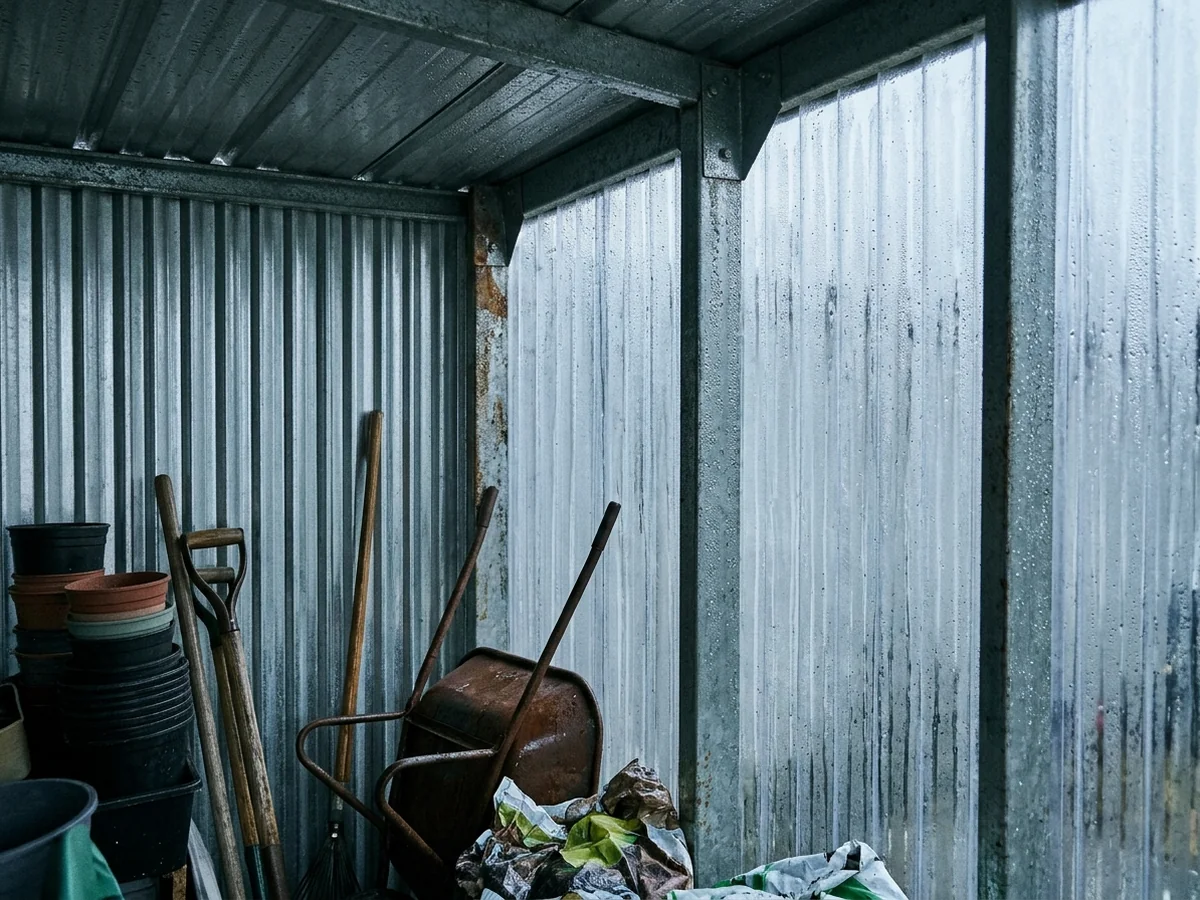
Understanding why tools rust inside sheds starts with looking at how different outdoor storage structures manage moisture, temperature, and relative humidity. Metal and plastic storage buildings accumulate interior moisture because they lack natural thermal breaks, creating microclimates where humidity settles directly onto cold surfaces. Tools can rust in a garden shed due to the presence of moisture and humidity acting on unprotected steel surfaces.
Steel buildings conduct outdoor temperatures instantly. When dawn arrives, the air warms up faster than the dense walls of a metal structure. This temperature differential causes the dew point to drop right at the interior surface, forming water droplets that drip onto equipment. Galvanized steel buildings and unheated outbuildings amplify these cycles daily without adequate airflow, leaving metal tools vulnerable to oxidation.
Resin and vinyl structures behave differently by trapping heat inside their hollow walls. Sunlight warms the exterior, sealing the warm air inside. As night falls, that trapped air cools rapidly, forcing out high relative humidity that saturates the interior space. Storing power tools in shed environments affected by this cycle often leads to unexpected moisture accumulation, even when the roof appears completely leak-free.
- Metal walls transfer outdoor chill directly to indoor air, creating rapid surface condensation.
- Plastic panels seal daytime warmth and high relative humidity inside hollow wall cavities.
- Daily temperature swings push interior air past its dew point, forming droplets on stored gear.
A common mistake homeowners make is assuming that a fully sealed shed protects gear from weather changes. Without a proper vapor barrier or continuous ventilation, moisture remains trapped against stored gear until oxidation begins. Addressing this issue requires looking beyond basic covers and understanding how structural materials interact with seasonal temperature shifts.
Temperature Fluctuations and Dew Point Crossover
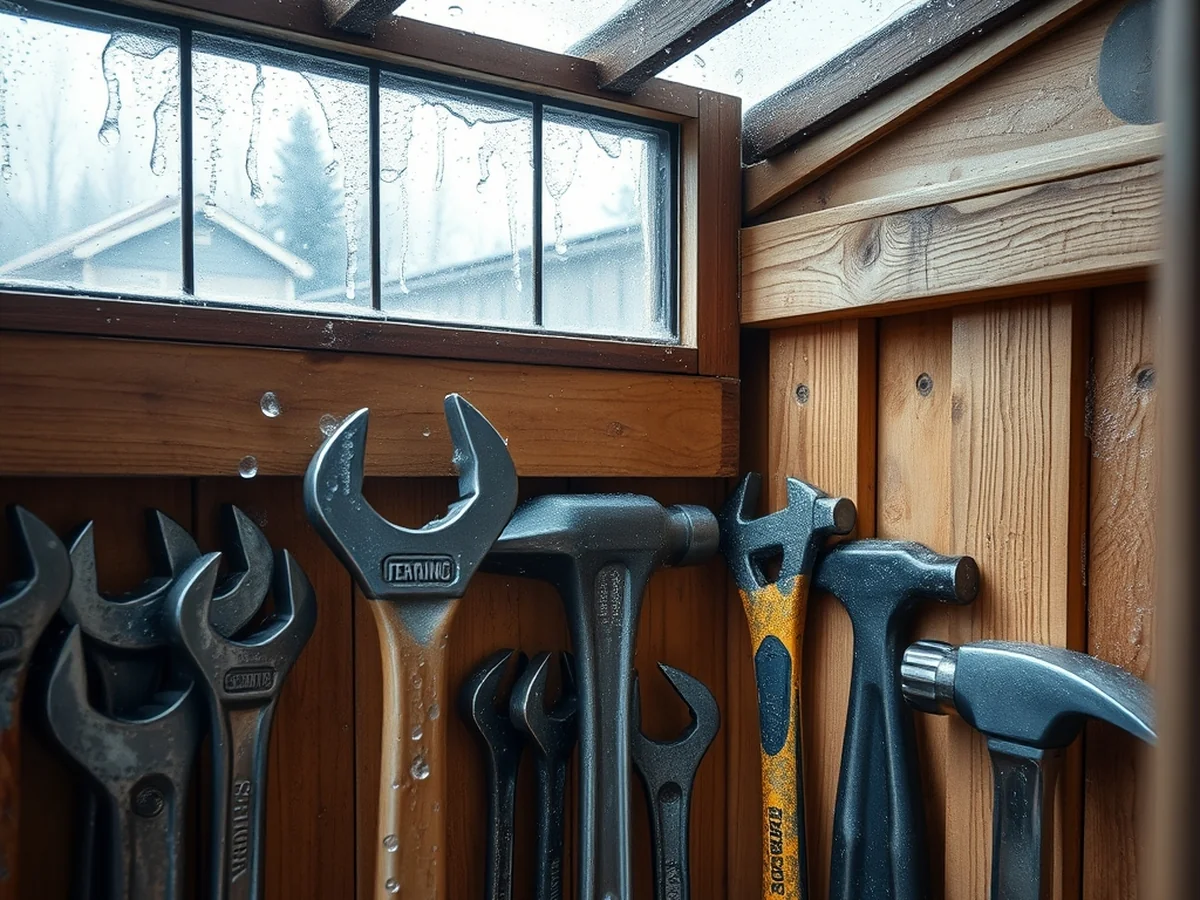
Common guidance notes that tools can rust in a garden shed due to the presence of moisture and humidity inside the structure. To understand why tools rust inside sheds, homeowners must look closely at how temperature swings create continuous cycles of condensation on cold steel surfaces. Relative humidity shifts constantly throughout a 24-hour cycle. When the sun goes down, exterior temperatures drop rapidly, causing uninsulated outdoor structures to lose heat. This nighttime cooling drives internal shed temperatures below the dew point. The air loses its capacity to hold water vapor, forcing excess moisture out of the air and directly onto cold metal surfaces.
Understanding Dew Point Crossover in Metal Versus Plastic Structures
The choice of building material changes how moisture behaves inside an unheated outdoor storage building. Metal sheds conduct heat rapidly, meaning their interior walls and stored equipment chill quickly during a sudden drop in outdoor temperature. Plastic structures react differently, often trapping moist air with fewer thermal breaks, which accelerates condensation when relative humidity spikes.
Why Winter Swings Accelerate Oxidation
The problem worsens significantly when looking at why tools rust inside sheds in winter. Sharp and frequent temperature swings create prolonged periods of high relative humidity, leaving metal surfaces wet for hours at a time. Understanding this physical process explains why unheated outdoor buildings require careful management of microclimates to protect valuable equipment from rapid oxidation. Without a proper vapor barrier to block ground moisture or targeted airflow to stabilize internal temperatures, tools remain highly vulnerable to rust formation throughout the colder months.
Humidity Levels That Trigger Rust

Understanding why tools rust inside sheds starts with looking at relative humidity and moisture levels in unheated spaces. Common guidance notes that tools can rust in a garden shed due to the presence of moisture and humidity acting directly on steel and iron components. When the air becomes saturated, invisible water vapor turns into liquid droplets on cold metal surfaces, kicking off the oxidation process.
Temperature Swings and Dew Point Crossover
Unheated storage structures experience wild temperature swings between day and night, which directly impacts internal relative humidity. As outdoor temperatures drop rapidly after sunset, the air inside the shed cools down and loses its capacity to hold water vapor. This drop in temperature pushes the environment past the dew point, creating a microscopic layer of condensation over wrenches, saws, and hardware.
The main reason why tools rust inside sheds in winter is that cold metal objects retain chill much longer than the surrounding air. When warmer, damp air touches those freezing steel surfaces, moisture clings instantly. Over time, this continuous wetness causes deep pitting and ruins precision edges, turning functional gear into corroded scrap.
Condensation Traps in Metal Versus Plastic Sheds
Different building materials influence how moisture behaves indoors. Metal structures lack natural insulation, meaning exterior temperature drops transfer instantly to interior walls and create severe condensation. Plastic storage buildings trap warm daytime air and humidity with nowhere to escape, leading to trapped vapor that condenses heavily whenever the night cool sets in.
Managing this moisture requires paying close attention to environmental conditions inside your outdoor building. Here are the practical steps and common mistakes to keep in mind:
- Monitor relative humidity closely using an inexpensive hygrometer to see when levels cross danger zones.
- Avoid placing unsealed wooden floors directly over bare dirt, which releases constant vapor upward into the shed.
- Do not store damp gear or wet garden supplies inside the same enclosed cabinet as bare metal tools.
- Utilize a shed dehumidifier for rust prevention or place passive desiccants like silica gel packs near valuable equipment to capture stray moisture.
Storing Power Tools and Sensitive Equipment Safely
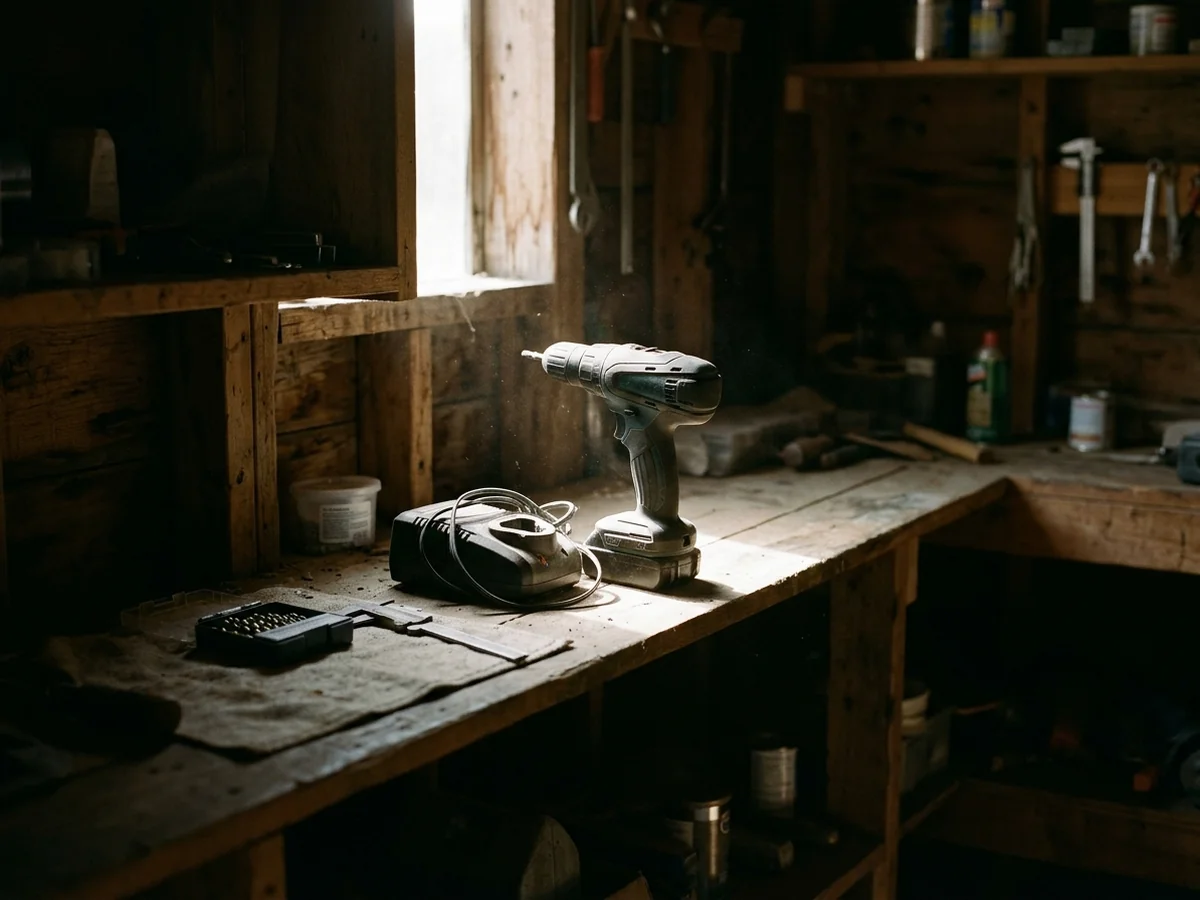
Protecting valuable gear inside unheated outbuildings requires isolating sensitive items from moisture and managing rapid temperature swings. Electric motors, lithium ion batteries, and precision metal edges face unique vulnerabilities when humidity levels fluctuate outdoors. Common guidance notes that tools can rust in a garden shed due to the presence of moisture and humidity, making targeted climate isolation essential for expensive equipment. Storing power tools in shed environments safely means keeping them away from direct contact with uninsulated walls and concrete floors where condensation readily forms.
Metal and plastic sheds create distinct challenges because condensation traps moisture directly against stored equipment. Plastic structures lack thermal mass and trap internal humidity easily, while uninsulated metal panels experience rapid dew point crossovers on chilly nights. When the interior air cools faster than the stored steel, moisture drops out of the atmosphere and settles directly onto tool surfaces. To prevent these hazards, homeowners need practical steps that go beyond basic storage.
- Keep lithium ion batteries indoors inside temperature controlled living spaces rather than leaving them in unheated outbuildings to preserve cell health.
- Wrap precision cutting edges in specialized protective oils or use vapor corrosion inhibitor bags to block direct moisture contact.
- Place electric motors and sensitive gear inside tightly sealed plastic cases paired with active silica gel or desiccant packs to absorb trapped ambient dampness.
- Install a proper vapor barrier underneath floor frames and ensure adequate cross ventilation to lower relative humidity levels.
A common mistake is placing items directly against cold metal panels or damp concrete flooring, which accelerates oxidation because these surfaces absorb and hold moisture longer than interior shelving units. Proper placement choices dictate long term equipment preservation by keeping gear elevated on interior racks. Utilizing a targeted shed dehumidifier for rust prevention or maintaining physical distance from exterior walls stops damp air from settling into your gear.
Vapor Barriers Versus Desiccant Options
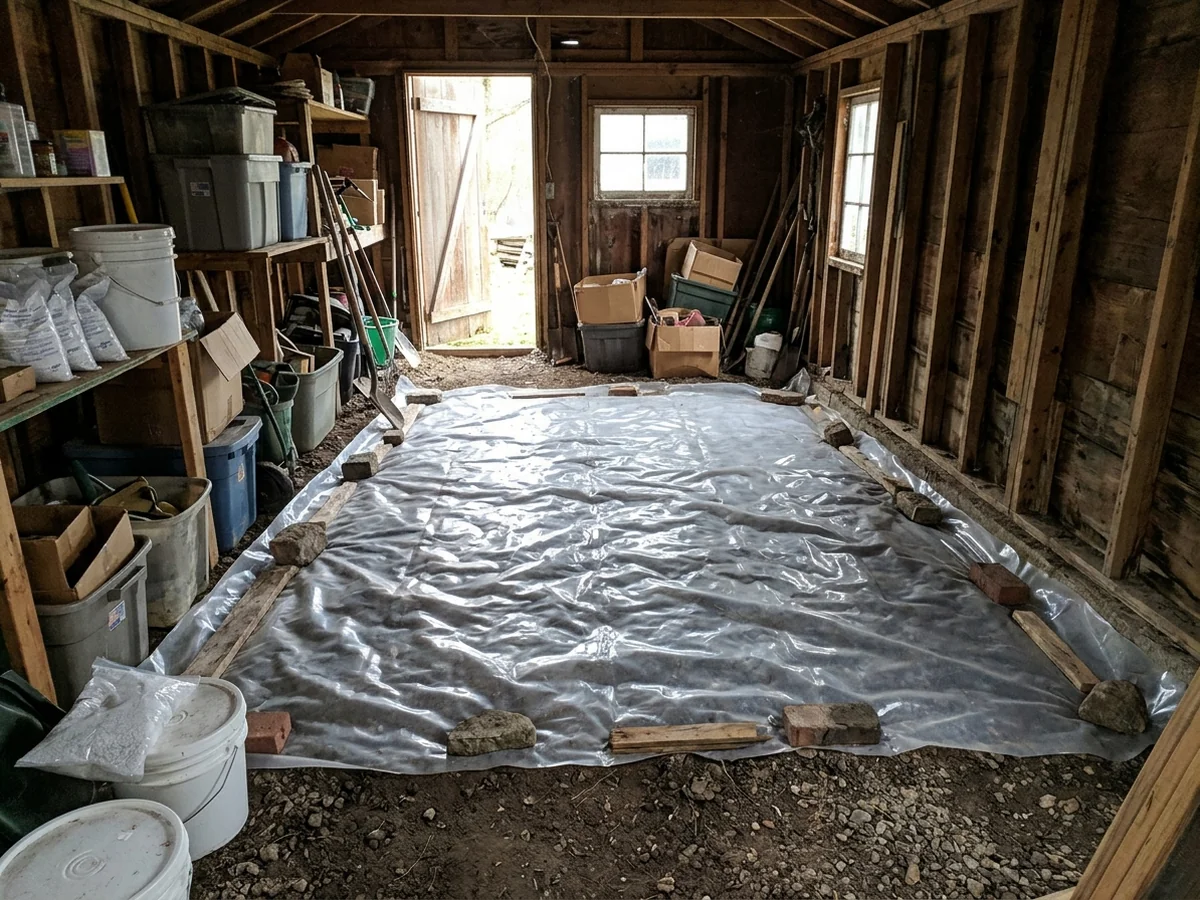
Controlling indoor humidity requires choosing between ground protection and localized moisture absorption depending on the local climate and shed construction. A polyethylene ground vapor barrier blocks moisture rising directly from the dirt floor into the building envelope. Open air movement manages everyday humidity by letting wind and natural drafts flush out stagnant pockets of damp air.
Managing heavy ambient dampness in an enclosed outdoor structure often calls for active drying equipment to keep relative humidity below the threshold where oxidation attacks steel surfaces. A dedicated mechanical dehumidifier extracts gallons of water from the air daily, but it requires a reliable power source and proper drainage. Passive moisture control relies on alternative methods for smaller spaces.
Structural Defenses and Ground Protection
Unheated outdoor storage buildings experience constant moisture challenges driven by soil evaporation and shifting weather patterns. When homeowners ask why tools rust inside sheds, the answer usually points back to unsealed earth floors that continuously release water vapor into the air. Installing a thick polyethylene vapor barrier over the dirt ground prevents this upward migration. Pairing ground protection with cross ventilation helps stabilize relative humidity and protects stored equipment from aggressive condensation cycles.
Localized Desiccants and Passive Absorbers
While large barriers protect the entire room, localized defenses safeguard specific equipment cabinets and toolboxes. Chemical desiccants, such as activated clay or calcium chloride, capture humidity from sealed enclosures. Silica gel canisters work similarly by pulling moisture out of the air inside drawers or storage bins. These passive methods are essential when storing power tools in shed environments because they target microclimates where dew point changes cause direct moisture accumulation on bare metal.
Here are several passive methods and structural defenses used to manage excess indoor dampness:
- Polyethylene ground covers block soil moisture from evaporating upward into the interior airspace of unfloored outdoor buildings.
- Silica gel canisters absorb ambient water vapor inside toolboxes and storage cabinets to protect sensitive metal surfaces.
- Chemical desiccants capture humidity from sealed enclosures through active clay or calcium chloride compounds that require periodic replacement.
- Open air ventilation vents reduce stagnant humidity pockets by allowing continuous cross breezes to circulate naturally through gable wall openings.
- Sealed storage containers combined with internal desiccant packs isolate individual hand tools from fluctuating ambient dew points.
Choosing the Right Strategy
Passive moisture absorbers work best inside tightly sealed toolboxes or small storage bins rather than open rooms. Chemical desiccants and silica gel canisters eventually reach saturation limits and stop working unless they are regularly recharged or replaced. Combining a ground vapor barrier with localized desiccant packs creates a multilayered defense against unexpected spikes in relative humidity. Understanding how to keep tools from rusting in a shed involves assessing whether your building traps moisture through unsealed dirt or suffers from sudden temperature shifts that trigger condensation on cold steel surfaces.
Practical Steps for Keeping Tools Rust-Free Year Round

Protecting your equipment from moisture damage involves a reliable maintenance routine combining defensive oils, protective wraps, and smart storage choices. Common guidance suggests that tools can rust in a garden shed due to the presence of moisture and humidity. Managing the indoor environment carefully stops oxidation before it starts, especially when you understand the mechanisms behind metal corrosion during cold months.
Understanding Shed Condensation and Dew Point Crossover
Temperature fluctuations often cause dew point crossover inside outdoor storage buildings. When the air cools rapidly, moisture settles directly onto cold steel. Metal and plastic sheds trap condensation differently, influencing how quickly moisture accumulates on your equipment. Plastic structures often lack thermal mass, leading to rapid internal temperature swings, while uninsulated metal buildings allow exterior cold to transfer directly inward, chilling the air and causing water vapor to condense on any exposed surface.
Step-by-Step Maintenance Routine
You can easily establish a seasonal preservation plan by following these specific steps:
- Wipe down every metal surface with a clean cloth to remove dust and moisture after each major use, ensuring no damp debris lingers on the blades.
- Apply a thin layer of protective products like CorrosionX to create a moisture-repelling barrier on steel blades and moving parts.
- Wrap vulnerable hand implements in silicone-treated cloths or specialized rust-inhibiting paper to isolate them from damp air.
- Store items inside tightly sealed galvanized steel storage containers rather than porous bins to block ambient humidity and prevent condensation traps.
- Inspect your storage space quarterly and replenish desiccant packs, silica gel canisters, or a moisture removal device to keep relative humidity under control.
- Execute a deep cleaning and oiling session at the end of every season to prepare gear for extreme temperature shifts.
Avoiding Common Storage Mistakes
Neglecting these habits usually leads to stubborn oxidation. A common mistake is simply tossing wet tools back into unventilated boxes, which traps moisture against the metal. By maintaining a proper vapor barrier and keeping the interior dry, you extend the lifespan of your equipment significantly.
Protecting Outdoor Storage Sheds
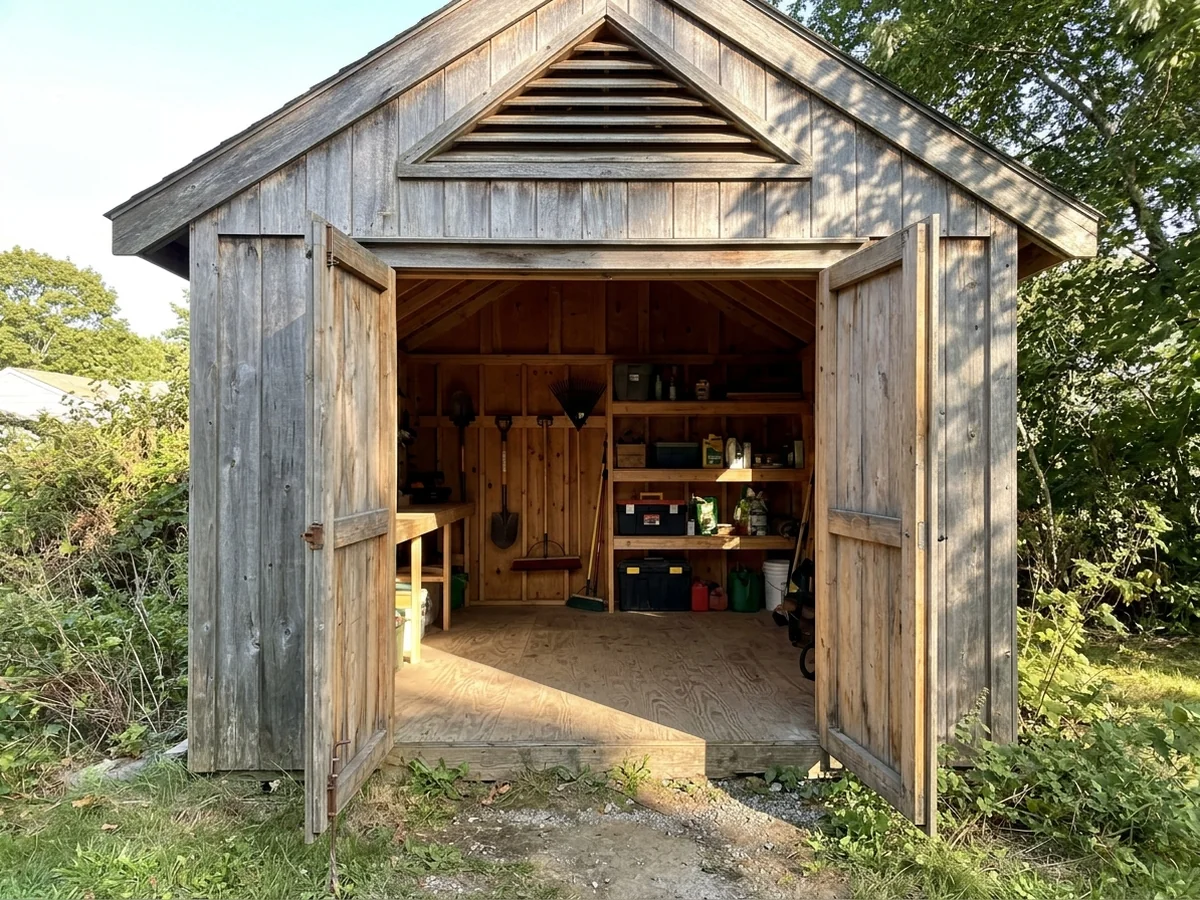
Safeguarding outdoor storage buildings and understanding the origins of metal oxidation requires careful management of internal moisture levels and consistent structural ventilation. Common guidance notes that tools can rust in a garden shed due to the presence of moisture and humidity accumulating on unprotected metal surfaces. Maintaining proper airflow helps equalize temperatures between the interior and exterior environments, preventing trapped air from condensing against cold walls or resting equipment.
Controlling relative humidity involves more than simply propping open a door on warm afternoons. Proper structural ventilation relies on active or passive soffit vents and ridge vents that promote continuous cross-breeze circulation. Without these pathways, trapped vapor lingers inside enclosed structures for days. Installing a vapor barrier beneath the floor framing also stops ground moisture from migrating upward into the storage space.
Different building materials react to weather shifts in distinct ways. Metal and plastic structures trap condensation differently compared to traditional wood options, often lacking natural breathability and causing internal dew point crossovers when outdoor temperatures plummet. This physical process explains how metal corrosion develops during freezing months, as freezing exterior walls chill the indoor air until moisture drops directly onto cold steel blades and galvanized steel fasteners.
Proactive environmental monitoring plays a vital role in long-term tool preservation. Placing digital hygrometers inside the structure lets you track daily shifts in moisture before oxidation starts damaging steel blades and mechanisms. Staying aware of these indoor climate changes allows for timely adjustments. You can introduce targeted drying agents or adjust ventilation panels long before rust spots appear on your favorite gear.
Implementing reliable preventive steps keeps valuable equipment in top shape throughout changing seasons. Consider these practical measures for maintaining a dry interior environment:
- Install continuous ridge and soffit vents to maintain steady cross-ventilation.
- Place a heavy-duty vapor barrier across the dirt or concrete subfloor.
- Monitor daily climate shifts using an interior hygrometer.
- Utilize desiccants or an extra moisture-control appliance to keep humidity down during damp months.
- Apply protective coatings like CorrosionX to moving metal parts.
Learning how to keep tools from rusting in a shed comes down to cutting off moisture at its source. Whether you are keeping electric equipment in shed corners or hanging hand shears on a pegboard, combining physical barriers with smart airflow management stops destructive oxidation before it starts.
Understanding and Preventing Shed Rust
Common guidance notes that tools can rust in a garden shed due to the presence of moisture and humidity. Unheated outdoor storage buildings experience frequent temperature swings, which causes the surrounding air to reach its dew point. When warm daytime air cools rapidly at night, water vapor condenses directly onto unprotected steel surfaces, initiating oxidation.
Condensation Traps in Shed Structures
Metal and plastic structures lack built in climate control, trapping warm air that cools rapidly at night. This rapid temperature drop forces water vapor out of the air and directly onto tools. Figuring out the root causes of oxidation inside outdoor buildings involves looking at how these structures retain moisture compared to traditional brick or wood buildings.
Practical Prevention Steps
Homeowners and DIY enthusiasts can protect their equipment by following a few simple steps. Keep storage containers slightly elevated off concrete floors to avoid drawing ground dampness directly into your gear, and use a vapor barrier if necessary. Place silica gel packets or another desiccant inside toolboxes to absorb lingering moisture. You can also apply specialized anti corrosion products like CorrosionX or store items in galvanized steel cabinets to create an extra layer of defense against humidity.
Managing Seasonal Shifts
Dealing with oxidation during colder months usually comes down to managing trapped humidity combined with freezing temperatures. Opening shed doors briefly on warm afternoons lets trapped air escape before condensation forms. Maintaining consistent airflow and monitoring relative humidity levels helps keep your workspace dry throughout the year.
Frequently Asked Questions About Shed Rust Prevention
Why do my garden tools rust so fast in an outdoor shed?
Tools rust quickly because unheated outdoor structures experience rapid temperature swings that cause airborne moisture to condense directly onto cold metal surfaces. This constant cycle of wetting and drying triggers rapid oxidation on unprotected steel.
Do plastic sheds cause more condensation than metal ones?
Plastic structures trap interior humidity effectively because they lack natural breathability, which often leads to heavy droplet formation on the ceiling and walls. Metal structures face similar moisture issues due to thermal conductivity, but ventilation differences change how the water settles.
How can I lower the humidity inside my storage building?
Improving cross ventilation by installing gable vents or running a small fan helps circulate stagnant air and reduces trapped moisture. You can also use large desiccants or place a vapor barrier over bare dirt floors to block ground dampness.
Should I store my power gear inside specialized cases?
Storing equipment in sealed plastic cases can actually trap moisture inside if the gear was put away damp after outdoor use. Leave cases slightly unlatched in humid weather or toss a few silica gel packets inside to absorb lingering water vapor.
What is the easiest way to protect metal surfaces daily?
Wiping down your gear with an oily rag or a specialized rust inhibitor creates a temporary barrier that blocks moisture from reaching the bare metal. This quick habit takes only a few seconds and shields steel from ambient humidity.
Conclusion
Protecting your equipment starts with recognizing how metal items develop corrosion from moisture and humidity buildup in unheated outdoor spaces. Taking immediate action with desiccants, vapor barriers, or localized heating will stop oxidation before it ruins your gear. Evaluate your outdoor storage setup today to keep your metal equipment dry and functional for years to come.
You might also like: T-Hinges vs Strap Hinges: What Size Screws Fasten Shed Doors to Studs?