
Adding Bug Screen Behind Shed Gable Vents to Stop Wasp Nests
Introduction
Installing a bug screen behind shed gable vents is the most effective way to stop wasp nests from forming inside your outdoor building while still allowing proper airflow. Wasps and other pests often target dark, sheltered spaces for nesting, making unprotected gable vents an easy entry point.
This guide covers everything you need to know about pest-proofing your outdoor shed. You will learn how to choose the right mesh materials, measure your vents accurately, and secure a protective barrier without damaging your exterior siding.
Why Outdoor Sheds Need Bug Screens Behind Gable Vents
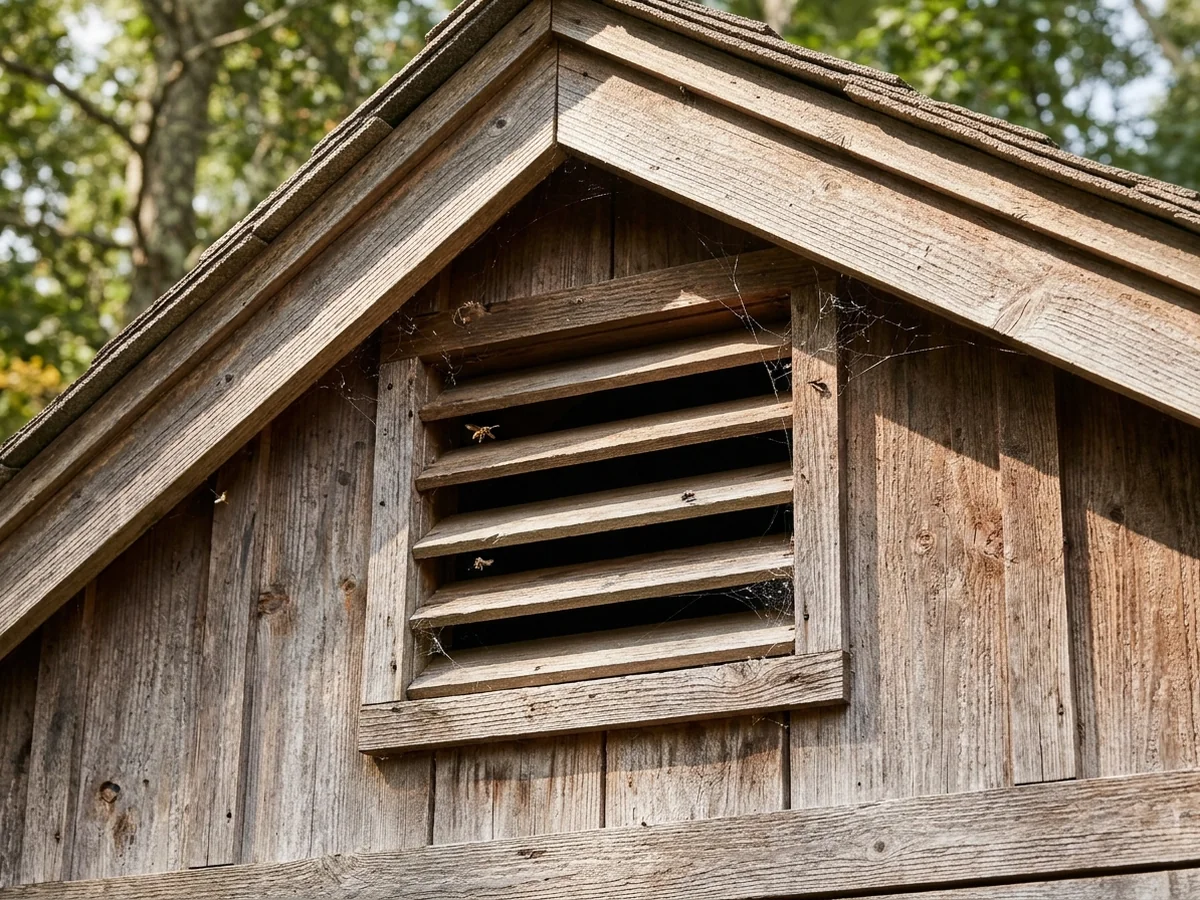
Protecting your outdoor shed requires more than just locking the door, because open air gaps easily invite unwanted pests inside. Installing a bug screen behind shed gable vents serves as a practical solution to block insects without restricting necessary airflow. Without a protective mesh barrier, standard ventilation openings act as direct entry points for flying pests, particularly wasps looking for sheltered structural spaces to build nests.
Effective wasp nest prevention relies heavily on closing off these vulnerable access points before colonies establish themselves. While sheds naturally accumulate heat and moisture, which makes proper ventilation essential for preventing mold and dampness, standard vents often feature gaps that are simply too wide. These large openings allow wasps and other bugs to squeeze right through into dark roof corners, making homeowners wonder if gable vents are enough for a shed without extra protection.
Choosing the Right Material for Your Shed Vents
Choosing the right material for your gable vent screen replacement plays a major role in long-term success. Homeowners often weigh options like durable hardware cloth against flexible fiberglass mesh. Selecting the correct mesh sizing ensures that air continues to circulate freely while keeping pests entirely on the outside. Solid barriers should always be avoided because they trap humidity and ruin the balance of your ventilation system.
Hardware cloth offers exceptional rigidity and long-term durability against larger pests, whereas fiberglass mesh provides an easy-to-cut alternative that blends smoothly behind wooden frames. Matching the material to your local climate and specific pest pressures guarantees better results for your outdoor structure.
How to Screen a Gable Vent
A common mistake during installation is failing to secure the edges completely, which leaves tiny gaps for clever insects to bypass the barrier. Taking the time to properly measure, cut, and fasten a triangle gable vent screen or rectangular mesh panel ensures a tight seal against the frame. Using standard tools like wire snips and a staple gun makes the process straightforward for DIY homeowners.
Begin by removing any interior obstructions near the opening to gain clear access to the vent frame. Measure the interior dimensions carefully, allowing a slight margin for overlap. Cut your chosen mesh material cleanly, and press it firmly against the opening before securing every edge tightly. This straightforward home improvement project protects your outdoor structure from unwanted infestations while maintaining a healthy interior environment year-round.
Why Wasps Nest in Vents
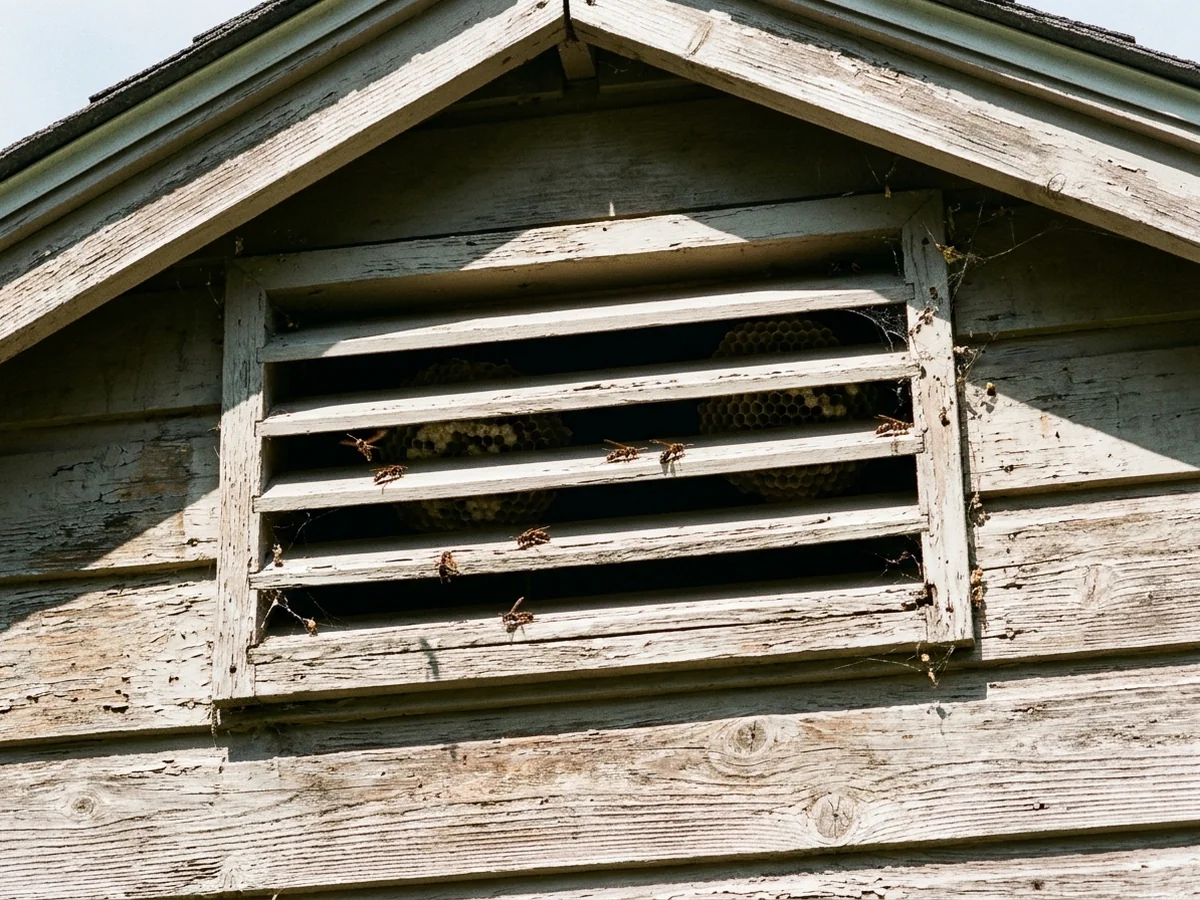
Outdoor sheds require constant airflow to manage humidity and temperature. Standard building designs incorporate openings like gable vents to keep the interior dry and structurally sound. Unfortunately, factory louvers feature wide slats designed strictly for airflow rather than pest defense. These generous gaps invite unwanted wildlife inside, making an outdoor shed an ideal location for colonies seeking shelter from rain and wind.
In spring, queen insects actively scout for dark, protected cavities to establish new colonies away from predators and harsh weather. Small voids around framing joints, loose siding, and wide louver slats serve as primary entry points. Once a queen finds these sheltered spaces, she can easily slip through standard vent openings to begin building paper nests without interference.
Are Gable Vents Enough for a Shed
Property owners often wonder whether standard gable vents are enough for a shed when it comes to sealing out wildlife. While they excel at managing moisture effectively, factory louvers alone leave wide spaces that flying pests navigate effortlessly. Insects naturally exploit any available gap to find safe harbor, turning a functional ventilation point into a prime nesting ground. Maintaining proper ventilation is necessary to keep an outdoor shed dry and prevent mold growth, but open slats compromise security unless extra barriers are added.
Choosing the Right Material for Shed Vents
Without an additional layer of protection behind the exterior openings, sheds remain vulnerable to repeat infestations year after year. Homeowners looking into gable vent screen replacement must choose between different mesh options. Materials like hardware cloth and fiberglass mesh provide the necessary barrier. Hardware cloth offers superior durability against chewing pests and harsh weather, while standard mesh blocks smaller crawling insects. Selecting the correct gauge ensures that wasp nest prevention remains effective without choking off the airflow required for the building.
How to Stop Bugs from Coming Through Air Vents
Understanding this behavior highlights why preventative action matters for shed owners. Rather than relying solely on factory louvers, homeowners can install a bug screen behind shed gable vents to block insects while preserving essential airflow. Using a staple gun and wire snips makes the task straightforward when working with a triangle gable vent screen or a custom rectangular cut. Taking this step prevents queens from gaining access in the first place, ensuring the interior stays both dry and pest free through every season.
Choosing Between Hardware Cloth and Fiberglass Mesh

When planning a gable vent screen replacement for your outdoor shed, choosing the correct material is the most important step in achieving long-term pest control. Homeowners typically weigh the benefits of rigid metal options against flexible screening. Selecting the right product determines whether your storage structure stays properly ventilated while completely blocking unwanted insects and small animals.
Hardware cloth offers superior rigidity and chew resistance for outdoor shed applications, whereas fiberglass mesh works better for basic insect control without structural demands. Wire mesh made from galvanized metal stands up exceptionally well to seasonal weather changes and prevents rodents from chewing through the barrier. On the other hand, standard window screening made from fiberglass is pliable and easy to cut, but it lacks the physical strength needed to deter persistent chewers or hold its shape against strong wind pressure behind triangle gable vent openings.
| Material | Durability | Rigidity | Chew Resistance |
|---|---|---|---|
| Hardware cloth | High | Stiff wire mesh | Excellent against rodents |
| Fiberglass mesh | Moderate | Flexible | Low against chewers |
Balancing Pest Protection and Shed Airflow
The primary reason to use hardware cloth for shed vents is its combination of physical durability and proper spacing. When focusing on wasp nest prevention, mesh sizing plays a critical role in blocking the insects while maintaining adequate shed airflow. Using a fine enough wire spacing stops queens from building nests inside your storage structure. At the same time, proper gaps allow moist air and heat to escape freely so your building remains dry and protected from moisture damage.
Are gable vents enough for a shed if you add fine screening? Gable vents provide passive cross ventilation, but adding a bug screen behind shed gable vents requires careful balance. If the mesh is too dense, it restricts the natural movement of air and traps humidity in the attic space.
Avoiding Common Material Mistakes
A common mistake during installation is choosing a material that restricts too much airflow in an effort to stop tiny bugs. While keeping pests out is the main goal, cutting off vital ventilation traps humidity inside the wooden structure. Another frequent error involves selecting flimsy screening materials that sag or tear over time under environmental stress. Matching the correct material strength to your local climate ensures your outdoor building stays well-ventilated while blocking unwanted pests permanently.
Learning how to stop bugs from coming through air vents starts with evaluating what types of wildlife are common in your region. If mice or squirrels are prevalent around your property, soft screening will fail quickly. Installing rigid wire options using a staple gun and wire snips creates a permanent barrier that withstands both animal pressure and weather elements without sagging into the vent opening.
Essential Tools and Materials for the DIY Project

Proper preparation is the foundation of any successful home improvement task, especially when you are working at heights on an outdoor shed. Gathering the correct gear beforehand ensures a smooth installation of a bug screen behind shed gable vents, preventing frustrating interruptions once you are already on a ladder. Taking the time to assemble everything you need will protect your hands, keep your workspace organized, and make the entire process much faster and safer.
When selecting your materials, the choice of mesh is critical. You want a durable product that can withstand outdoor weather conditions while keeping unwanted pests out. Many shed owners find success using hardware cloth or fine metal mesh because these materials provide strong wasp nest prevention without blocking the vital airflow your structure needs. Fiberglass mesh is another alternative, though metal options tend to offer superior longevity against chewing pests and harsh elements. Having the right size ensures you can cover the triangle gable vent screen area completely without leaving gaps.
To execute the installation cleanly, you need a specific set of cutting and fastening equipment. Here are the core items to prepare before you begin:
- Sturdy metal mesh or hardware cloth to block insects effectively while preserving shed ventilation.
- Reliable wire snips designed to cut heavy wire cleanly and fit irregular framing inside the gable.
- A heavy-duty staple gun loaded with corrosion-resistant staples to secure the perimeter of the mesh tightly against the wood framing.
- Thick work gloves and protective eyewear to shield your skin and eyes from sharp wire ends and hidden insects during the process.
- A stable ladder placed on completely level ground to reach elevated gable areas securely without wobbling.
A common mistake during this process is failing to measure the interior space accurately before cutting the wire. Always measure the wooden framing behind the vent rather than guessing, as uneven cuts can leave small gaps where insects can still enter. Another frequent error is using a standard household stapler instead of a heavy-duty staple gun, which often results in loose mesh that sags over time. By taking your time to gather the proper tools and double-checking your measurements, you will achieve a clean finish that keeps your outdoor shed pest-free and properly ventilated for years to come.
Step-by-Step Guide to Installing Screens Behind Existing Gable Vents

Installing a bug screen behind shed gable vents involves careful interior access, accurate cutting, and secure fastening to keep pests out without harming the structure. Protecting your outdoor shed from unwanted insects requires understanding both the practical steps and the reasons behind each phase of the installation process. Proper planning prevents common mistakes and ensures your ventilation system continues to function effectively.
You can reach interior gable vents safely by working from inside the outdoor shed without prying off exterior siding or trim. Set up a stable ladder if needed, and clear away any cobwebs or dust around the interior framing so you have a clean surface to work with. Taking time to prep the interior framing ensures that your chosen mesh sits flush against the wood.
When selecting your materials, consider using hardware cloth or fiberglass mesh to balance effective wasp nest prevention with adequate airflow. Here are the practical steps to install a mesh barrier effectively:
- Measure the exact interior dimensions of the gable opening using a tape measure to ensure a proper fit against the framing.
- Transfer those measurements onto your chosen hardware cloth or mesh material.
- Cut out the triangle shape carefully using wire snips, keeping the edges as straight as possible to avoid jagged points.
- Hold the cut mesh firmly against the interior framing behind the vent louvers and check for any coverage gaps.
- Secure the perimeter tightly using a staple gun or roofing nails spaced closely together to prevent pests from squeezing past the edges.
A common mistake during this upgrade is leaving small gaps at the corners where the triangle meets the framing. Double check all the edges once the fasteners are in place to make sure no loose wires protrude or leave openings. Proper installation of a protective mesh barrier protects your storage space while letting essential air circulate freely through the ventilation paths, stopping bugs from coming through air vents before they can establish nests.
Addressing Specific Challenges with Outdoor Wooden Shed Vents

Fitting fine mesh material behind wooden gable openings requires careful adaptation to uneven framing and tight interior corners. Rough lumber and warped wood often create irregular gaps that pests easily exploit. Taking time to assess the framing structure before cutting any material ensures a much tighter final seal against unwanted intruders.
Pressing the mesh firmly into tight corners demands patience and flexible handling. Soft fiberglass mesh adapts well to awkward interior angles, while rigid hardware cloth needs careful bending with pliers to match the natural contours of the wood. Using proper tools like wire snips and a staple gun helps secure the material tightly against irregular surfaces without tearing or leaving loose edges.
Sealing every outer edge prevents wasps and other insects from finding hidden entry points around the perimeter of the protective mesh barrier. Small gaps left unsealed undermine the entire exclusion effort, so apply an exterior grade sealant or caulk along the mesh borders after securing it firmly in place.
Maintaining proper airflow is vital during this fitting process to prevent moisture buildup inside the outdoor shed. Choosing a fine wire mesh ensures effective wasp nest prevention while allowing adequate ventilation through the gable openings. Balancing complete pest exclusion with unrestricted airflow protects the structural integrity of the building over time.
Cutting the material slightly larger than the vent opening provides extra room for adjustments over uneven surfaces. Trimming the excess only after the fastening is complete guarantees a snug fit that stops bugs from coming through air vents without restricting essential air movement. A careful, methodical approach prevents common mistakes such as cutting the screen too short or missing perimeter gaps during these maintenance projects.
Long-Term Pest Prevention Strategies
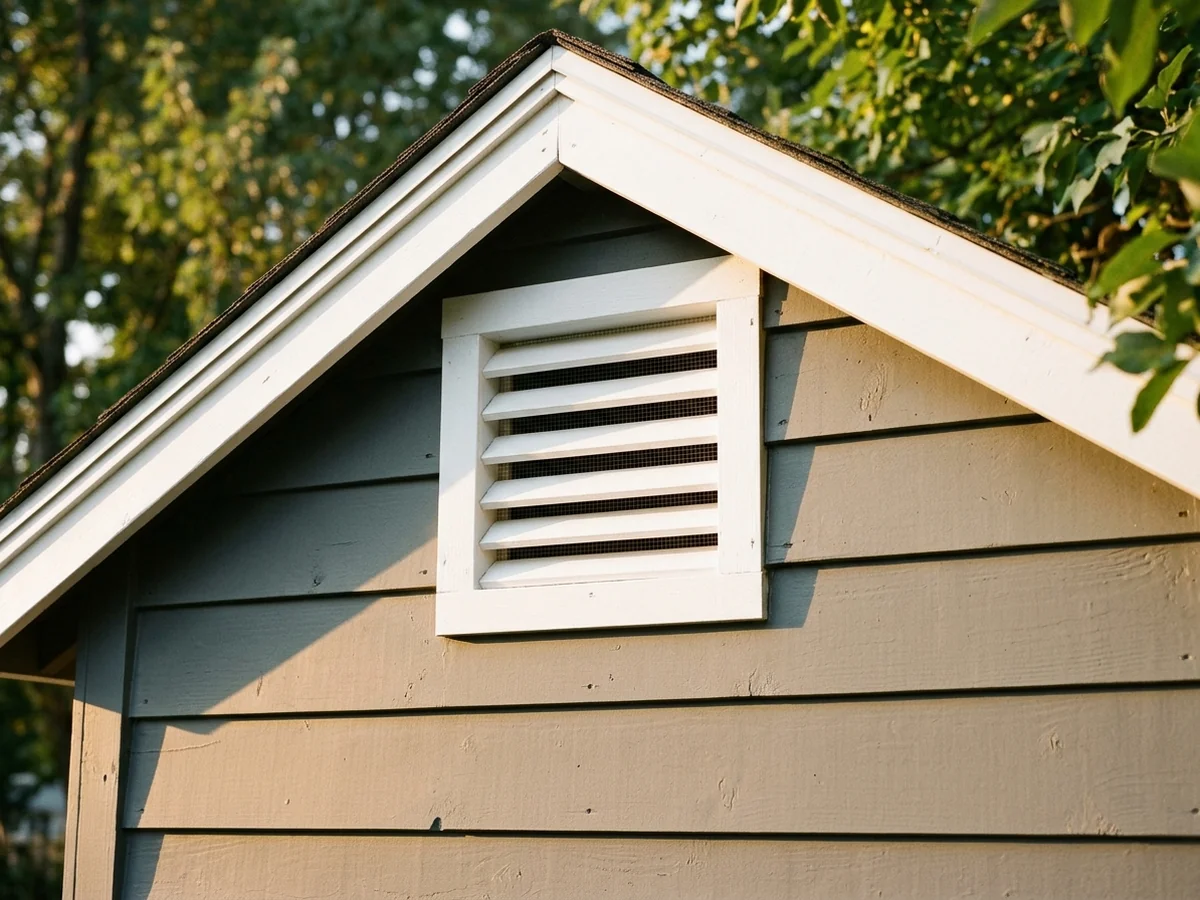
Maintaining a secure outdoor building requires regular checks and proactive habits to stop pests before they settle. Long-term defense relies on catching minor wear early and keeping your ventilation system clear, especially when managing an outdoor shed. Knowing how to stop bugs from coming through air vents gives you peace of mind all year long while protecting the structural integrity of your storage space.
Seasonal Inspections for Triangular Ventilation Mesh
Schedule seasonal inspections around your outdoor shed during the spring and autumn months. Look closely at the wire mesh behind your gable openings for any signs of rust, sagging, or tearing. Wasps and other insects actively scout for tiny gaps as weather warms up, so spotting a loose staple or a frayed edge early makes all the difference for wasp nest prevention. During these checks, evaluate whether your angled air vent cover still maintains adequate tension across the entire opening.
Check the surrounding wooden framing for rot or shrinking gaps as the seasons shift. Wood movement can create new entry points around the edges of the vent frame. Applying fresh exterior sealant or tightening loose fasteners keeps the perimeter locked down tight against persistent intruders.
Mesh Maintenance and Airflow Management
Clear away dust, spiderwebs, and trapped debris from the mesh surface regularly. Good airflow depends on open gaps in the wire, and heavy buildup can restrict vital ventilation. A soft brush or a low-pressure air sweep works well without damaging the delicate strands.
When swapping out older protective coverings or performing routine cleanings, consider the long-term durability of your materials. Heavy-gauge hardware cloth offers superior resistance against larger rodents and aggressive chewing, whereas finer fiberglass mesh might require more frequent monitoring due to weathering. Ensuring that ventilation remains unobstructed prevents moisture buildup inside the shed while keeping unwanted wildlife out for good.
Routine Maintenance Checklist
Use these routine habits to keep your outdoor structure secure:
- Inspect the protective mesh twice a year for tears or loose staples
- Clear away exterior debris that blocks airflow
- Seal any shrinking gaps in the surrounding wood frame
Consistent upkeep prevents costly repairs and ensures that your protective wire behind shed wall openings functions effectively season after season. Taking a methodical approach to home and outdoor maintenance safeguards your investment without requiring constant intervention.
Frequently Asked Questions About Shed Gable Vent Screening
Should gable vents have screens installed by default?
Gable vents should always feature protective screening to block wasps, bees, and other pests from entering the outdoor shed. Many manufacturers leave these openings bare, which invites stinging insects to build nests in the dark interior. Adding wire mesh to these openings solves this problem immediately without restricting necessary ventilation.
How to screen a gable vent effectively without specialized carpentry skills?
You can easily cover a gable vent by cutting hardware cloth or mesh to match the triangle shape of the opening. Secure the material directly to the interior frame using a staple gun or small screws with washers. This straightforward method requires only basic tools like wire snips and a measuring tape.
How to keep pests from invading through airflow openings permanently?
Stopping pests requires sealing all gaps around the vent perimeter while maintaining a tight metal or fiberglass mesh across the opening. Regularly inspect the mesh for tears or corrosion, especially after severe weather events. Proper installation of protective mesh on these wooden structures ensures lasting pest prevention.
Are gable vents enough for a shed without additional modifications?
Standard gable vents provide basic passive ventilation for small to medium outdoor sheds under normal conditions. However, extremely humid climates or larger structures might require supplemental roof or ridge vents to manage interior temperatures properly. Assessing your specific shed size helps determine if extra airflow is necessary.
Conclusion and Final Thoughts on Pest-Proofing Your Shed
Protecting your outdoor building involves maintaining a careful balance between adequate airflow and reliable pest exclusion. Adding protective mesh behind these openings achieves this balance by stopping intruders while allowing air to circulate freely. Taking on this project as a weekend DIY task ensures long-term security and supports effective wasp nest prevention for your property.
You might also like: T-Hinges vs Strap Hinges: What Size Screws Fasten Shed Doors to Studs?